
How to Pick Best ROLLS ROYCE CULLINAN AC Repair Garage in Al Quoz Dubai
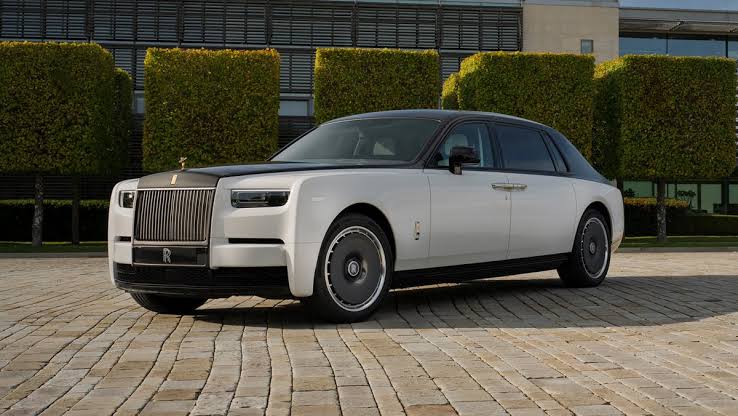
A Dubai owner’s guide to choosing the best Rolls-Royce Cullinan AC repair garage in Al Quoz — key criteria, real fault causes, fair pricing, and red flags. When your Rolls-Royce Cullinan’s air conditioning stops cooling in a Dubai summer, the fault matters far less than who you hand the car to next. The Cullinan runs a multi-zone climate system with independent controls for the front, rear, and third row — repair it like an ordinary luxury SUV and you either overpay for parts you never needed or mask a problem that returns within weeks. This guide is a practical decision framework for choosing the best Rolls-Royce Cullinan AC repair garage in Al Quoz, Dubai. Use it to separate genuine independent specialists from generalist workshops before you book — and skip to the 10-point checklist if you want the short version. Quick answer: what the best Cullinan AC garages have in common The strongest Cullinan AC repair specialists in Al Quoz share the same core traits: Rolls-Royce-specific experience (not just “luxury cars”), factory-level diagnostic software, genuine OEM air-conditioning parts, a written fixed quote before any work begins, and a warranty on the repair. Everything below explains why each of these matters — and how to verify them. Why Cullinan AC repair in Dubai is different Two things make Cullinan air-conditioning repair a specialist job rather than a routine one. The climate system is zoned and software-controlled. The Cullinan splits cabin cooling into independently regulated zones, each with its own blend motors and control modules. When only one zone stops cooling, the cause is usually a blend-actuator or module fault — not low refrigerant. A garage that reaches for a gas top-up on every “AC not cooling” complaint is guessing, and you’ll be back in a fortnight. Dubai’s heat accelerates every failure mode. From April to October, the compressor runs almost continuously and cabin temperatures punish every component in the loop. Sustained ambient heat above 42°C cracks refrigerant lines, degrades seals, and stresses the condenser far faster than the factory maintenance interval assumes. A workshop that understands the UAE-climate failure pattern will inspect the right parts first. Put together, this is why a generic car AC service is the wrong service to buy for a Cullinan — and why the right garage is worth finding. The 10-point checklist for choosing a Cullinan AC garage Score any workshop against these ten criteria. The best Rolls-Royce Cullinan AC specialists in Al Quoz will pass all ten. Genuine Rolls-Royce specialisation — not “all luxury cars.” Ask specifically how many Cullinans and other Rolls-Royce models they service — a dedicated Rolls-Royce repair workshop beats a broad supercar menu. Brand focus is what separates a real specialist from a generalist. Factory-level diagnostic software. Proper Cullinan AC diagnosis needs the manufacturer’s diagnostic platform (the same software used by authorised workshops), not a generic OBD scanner. This is how a single-zone fault is traced to the exact blend motor or module. Correct root-cause diagnosis before any parts. The best garages diagnose why the AC failed — blend motor, compressor clutch, refrigerant leak, condenser, or evaporator — before quoting. Beware anyone who jumps straight to “needs gas.” Genuine OEM or OEM-grade AC parts. Compressors, condensers, expansion valves, and sensors should be genuine Rolls-Royce or equivalent OEM parts to protect performance and resale value. Ask what they fit and whether you can choose. A written, fixed quote before work starts. You should approve a fixed price in writing before anything is opened up — and the garage should call you if they find something unexpected mid-job, never proceed unilaterally. A warranty on the AC repair. A confident specialist warranties both parts and labour. No warranty is a red flag on a car this expensive to get wrong. Transparent, itemised pricing. Diagnosis, gas, parts, and labour should be listed separately. Vague “all-in” numbers hide either padding or corner-cutting. Verifiable reputation. Look for Google reviews that mention Rolls-Royce or Cullinan by name, a real Al Quoz address, and a track record you can check — not just star ratings. Proper AC procedure and equipment. A correct job includes a full system evacuation, vacuum test for leaks, and pressure/performance testing — not just a refrigerant refill. Ask them to describe their process. Convenience that fits an owner’s schedule. White-glove collection and delivery across the UAE, a clean waiting environment, and clear communication matter when the car is a daily-driven asset. Common Rolls-Royce Cullinan AC problems in Dubai Understanding the likely faults helps you judge whether a garage’s diagnosis makes sense. Single-zone cooling failure. One zone (often the rear or third row) blows warm while others cool normally. This usually points to a faulty blend motor or control module — a repair, not a refrigerant issue. Weak or no cooling across the whole cabin. More consistent with a compressor clutch fault, a significant refrigerant leak, or a blocked condenser. A leak should be found and fixed before the system is regassed. Compressor failure. The heart of the loop. Dubai’s near-continuous summer load makes clutch and compressor wear one of the most common Cullinan AC failures — and one of the more expensive, which is exactly why a correct diagnosis matters before AC compressor replacement. Refrigerant loss through heat-cracked lines. UAE heat degrades lines and O-rings faster than temperate climates. Recurrent “low gas” is a symptom of a leak, not a maintenance need. Condenser damage. Front-mounted and exposed to road debris and heat; a compromised condenser undermines the whole system’s cooling capacity. Musty or sour AC odour. Usually evaporator or cabin-filter contamination rather than a cooling fault — a cleaning and filter job, and a good test of whether a garage over-diagnoses. What Cullinan AC repair should cost in Dubai Cullinan AC pricing varies widely by fault, and any honest garage will insist on diagnosing before quoting. As a rough guide to what to expect — always confirm with a written quote: A diagnostic and AC performance check is a modest fixed fee, and a
How to Choose the Best Mercedes G Wagon Service Center in Al Quoz Dubai
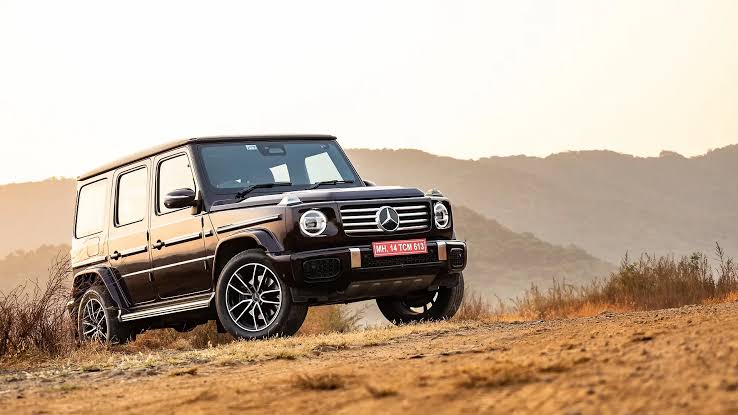
Choosing a Mercedes G-Wagon service center in Al Quoz, Dubai? Compare specialists vs dealers, service costs, red flags & a full checklist for your G-Class. Your Mercedes G-Wagon is not “just an SUV” — it is a hand-assembled, body-on-frame machine with three locking differentials, a dedicated transfer case, and (on newer models) air suspension and a dense electronic architecture. Service it at the wrong workshop and you don’t just risk a poor oil change; you risk a misdiagnosed transfer case, a botched air-suspension calibration, or a warranty complication that costs five figures to unwind. Al Quoz is Dubai’s densest luxury-car service district, which is good news and bad news. Good, because the best independent G-Class specialists in the emirate are concentrated within a few streets of each other. Bad, because plenty of general workshops also advertise “Mercedes service” without ever having pulled a G-Wagon transfer case or coded a W464 module. This guide gives you a clear, G-Wagon-specific framework to separate the true specialist Mercedes repair workshops from the pretenders — plus real Dubai cost benchmarks, red flags, and a printable checklist. Why a Mercedes G-Wagon Needs a G-Class Specialist, Not a General Mercedes Garage A shop that competently services a C-Class or E-Class is not automatically equipped for a G-Class. The G-Wagon platform is mechanically different in ways that matter for both diagnosis and repair: Body-on-frame construction with a low-range transfer case — closer to a heavy-duty off-roader than a road SUV. Transfer case and differential wear (especially on pre-2019 W463 models) needs a technician who has actually worked on the drivetrain and gearbox. Three differential locks and a permanent all-wheel-drive system that must be tested and reset correctly after any drivetrain work. Air suspension on the current W464 (2019-onward) that requires Mercedes-approved diagnostics to read ride-height sensors, compressor health, and fault codes accurately — proper air suspension repair, not a generic OBD scanner. A hand-built AMG 4.0L V8 BiTurbo in the G63, with cooling, oil-consumption, and turbo-related service points that a non-AMG shop will often miss during engine diagnostics and repair. Dubai’s climate load — 45°C-plus heat, fine sand, and stop-start traffic accelerate wear on the AC compressor and cooling system, so the G-Wagon needs preventive, climate-aware servicing rather than by-the-book intervals alone. The single most important question you can ask any Al Quoz workshop is simple: “How many G-Wagons do you service each month, and have your technicians worked on the transfer case and air suspension specifically?” A real specialist answers instantly and specifically. A generalist gets vague. Independent G-Wagon Specialist vs. Authorized Dealer in Dubai: Which Should You Choose? Most G-Wagon owners in Dubai weigh the authorized Mercedes-Benz dealer against an independent specialist in Al Quoz. Here is the honest comparison. Factor Authorized Dealer Independent Specialist (Al Quoz) Routine service cost AED 4,000–7,000+ AED 2,500–4,500 Typical saving Baseline 30–50% lower Parts Genuine only Genuine OEM or premium German aftermarket, your choice Diagnostics Full factory (Star/XENTRY) Full factory-level (only at true specialists — verify this) G-Class experience High, but high volume Often deeper, more personal on the platform Warranty Preserved Preserved under UAE Block Exemption if OEM parts + correct procedures are used Wait times & flexibility Longer, less flexible Faster turnaround, pickup/delivery common The key myth to kill: servicing your G-Wagon at a qualified independent does not automatically void your warranty. Under the UAE’s motor-vehicle Block Exemption framework, you may service your car outside the dealer network using genuine or equivalent-quality parts and approved procedures while keeping the manufacturer warranty intact. The condition is that the workshop uses the right parts and documents the work properly — which is exactly what you’re screening for below. The takeaway: for a car that’s out of the free-service period, a genuine G-Class specialist in Al Quoz usually delivers dealer-level quality at a materially lower cost. The entire challenge is verifying “genuine specialist” — so let’s make that concrete. The 8 Factors That Define the Best G-Wagon Service Center in Al Quoz 1. Proven, G-Class-Specific Technical Expertise Certifications matter, but G-Wagon volume matters more. Look for technicians who are Mercedes-trained and routinely handle the G-Class drivetrain, air suspension, and AMG engines. Ask to see recent G-Wagon work or case examples. A workshop that can walk you through a transfer-case repair or an air-suspension fault they solved is telling you something a certificate on a wall can’t. 2. Mercedes-Approved Diagnostic Equipment (Star / XENTRY) Modern G-Wagons store faults across dozens of control units. A specialist must run Mercedes Star Diagnosis / XENTRY, not a universal scan tool, to read and clear Service A / Service B alerts, code new modules, and correctly diagnose air suspension, ABS, transmission, and electronic faults. If a shop can’t confirm they have factory-level diagnostics for your model year, keep looking — a proper computerised diagnostic inspection should come before any quote. 3. Genuine OEM and Premium German Aftermarket Parts — Transparently Offered The best centers give you a clear choice: genuine Mercedes OEM parts, or high-quality German aftermarket equivalents (Bosch, Sachs, Bilstein, etc.) where appropriate — with the pricing difference explained up front. Insist on genuine parts for warranty-sensitive and safety-critical components. Beware any shop that won’t tell you the origin of the parts going into your car. 4. Transparent, Itemized Pricing and a Written Diagnostic First A trustworthy G-Wagon workshop inspects and diagnoses before quoting, then gives you an itemized estimate you approve before work begins. This is your single best protection against padded bills and unnecessary “gearbox replacements” that were actually a sensor. No diagnostic report, no clear estimate, no go. 5. Genuine G-Wagon Experience with Common Dubai Faults Ask specifically about the issues G-Wagons actually develop in the UAE: AC and cooling performance — the most common G-Wagon complaint in Dubai’s heat. (See our dedicated guide on finding the best Mercedes G-Wagon AC repair garage in Al Quoz.) Oil leaks and oil consumption on the AMG V8 — must be caught early. Air suspension faults (compressor, sensors, ride height) on post-2019 W464.
How to Choose the Best Bentley Continental Engine Repair Workshop in Al Quoz Dubai
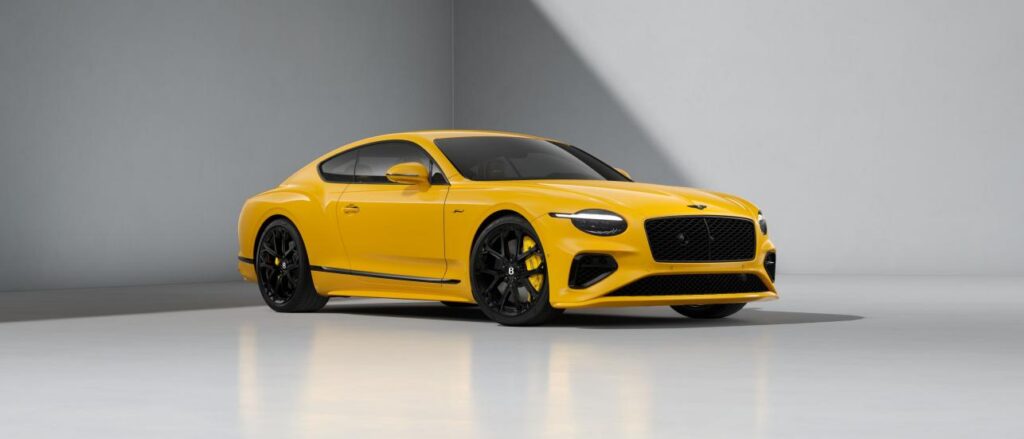
This guide is written for owners of the Continental GT, GTC, GT Speed, Supersports and Flying Spur who are choosing a Bentley specialist workshop in Al Quoz for Bentley engine repair. It covers what the engines actually fail on, what a competent workshop will do differently, the exact questions to ask before you hand over the keys, and how to read a Bentley engine repair quote so you know whether you are being quoted properly or guessed at. Al Quoz has more Bentley signage per square kilometre than almost anywhere outside Crewe. Nearly every workshop on 12th Street and Al Manara Road advertises “Bentley engine repair Dubai.” Very few of them have ever had a 6.0-litre W12 out of a Continental GT on a stand. That gap matters more on this car than on almost any other. A Bentley Continental engine repair is not a bigger version of an ordinary engine job — it is a job where access is the cost, where a AED 400 part can sit behind AED 20,000 of labour, and where one wrong diagnosis on a misfire can turn into an engine-out repair three months later. Why Bentley Continental Engine Repair Is Not a General Luxury Garage Job The phrase “we service all luxury cars” is the single biggest warning sign in this segment. The Continental’s two engine families each have their own failure fingerprint, their own access nightmares, and their own diagnostic requirements. The 6.0 Twin-Turbo W12: Two VR6s, One Very Tight Engine Bay The W12 is effectively two narrow-angle VR6 blocks married to a common crankshaft. That packaging is why a 6.0-litre twelve-cylinder fits into a Continental at all — and it is also why almost every repair on it is labour-driven rather than parts-driven. What a workshop that genuinely knows this engine will talk to you about: Twelve coil packs and twelve spark plugs. Misfires and rough idle on a W12 are frequently a single failed coil. The parts are inexpensive; the diagnosis has to be cylinder-specific, not “we’ll replace the set and see.” Timing chain drive at the rear of the engine. A cold-start metallic rattle from a worn chain tensioner is not something to monitor for six months. Access is an engine-out job, and it is one of the most expensive things that can happen to a Continental — see how timing chain and tensioner replacement is handled on the W12. The water-cooled alternator and its coolant pipe O-rings. Perished O-rings let coolant seep into the alternator and short it. The O-ring costs almost nothing; the job needs the front end in service position, and the failure can leave the car dead on Sheikh Zayed Road. Plastic cooling-system fittings, connectors and the expansion tank. These embrittle with heat cycling — and Dubai heat-cycles them harder than anywhere in Europe. Valve cover and cam cover gaskets. A known wear item, but reaching them means removing induction hardware. This is the classic “small leak, large invoice” job, and it is where inexperienced garages badly under-quote and then revise upward mid-repair. Turbo oil feed and return lines. Coked or restricted lines starve the turbo bearings. Blue smoke on start-up is a late symptom, not an early one. Head gaskets. Uncommon, but engine-out and eye-watering when it happens. Any Continental with an overheating event in its history deserves a compression and leak-down test before you buy or before you approve major work. The 4.0 Twin-Turbo V8: Different Engine, Different Failure List From the second generation onward, many Continentals run the 4.0-litre twin-turbo V8, an Audi-derived “hot-V” design with the turbochargers mounted inside the vee. It is lighter on fuel and, in some respects, easier to live with — but it is not the same repair proposition: Direct injection means intake-valve carbon buildup, and short-trip Dubai driving accelerates it. Symptoms are cold-start hesitation, a slight fuel economy drop and intermittent misfires. The fix is walnut blasting or chemical decarbonisation — a service a real specialist offers as a scheduled item, not an emergency. Timing chain tensioner wear on earlier V8 cars, again announced by a brief cold-start rattle. Cylinder deactivation and thermal management systems that throw drivability complaints a generic scanner will never explain. Turbochargers sitting in the hottest part of the engine bay, which makes oil quality and oil-change discipline non-negotiable in this climate. Continental Generations: Know Which Car You Actually Own Generation Years Engines What drives repair cost 1st gen (GT / GTC / Speed / Supersports) 2003–2011 6.0 W12 twin-turbo Ageing plastics, coolant leaks, alternator O-rings, coil packs, head gasket risk on overheated cars 2nd gen (GT / GTC / V8 / V8 S / GT Speed) 2011–2018 6.0 W12, 4.0 V8 twin-turbo V8 carbon buildup, timing chain tensioners, turbo oil lines, W12 gasket labour 3rd gen (GT / GTC / Speed) 2018–2024 6.0 W12, 4.0 V8, dual-clutch transmission Dense electronics, tighter packaging, higher labour hours, calibration after any major work 4th gen 2024 onward V8 plug-in hybrid powertrain High-voltage safety training and hybrid-qualified technicians required If a workshop cannot immediately tell you which generation and engine variant your VIN corresponds to, and what that specifically changes about the repair, keep walking. Not sure which car you have? Run it through a UAE VIN check before you call anyone. What Dubai’s Climate Actually Does to a Bentley Continental Engine Generic Dubai car-care advice says “it’s hot.” That is not useful. Here is what heat and local driving patterns do to this specific car: Cooling system components age on a compressed timeline. Plastic connectors, hose ends and the expansion tank that might last a decade in a temperate climate can become brittle far sooner here. Coolant loss with no visible puddle is the pattern to watch for. Stop-start traffic creates heat soak, not airflow. A Continental crawling on Al Khail Road in August is asking its cooling stack to work with minimal ram air. Radiator and intercooler cores clogged with fine dust make it worse — and cleaning the cooler stack is
How to Find the Best McLaren Engine Repair Workshop in Al Quoz, Dubai
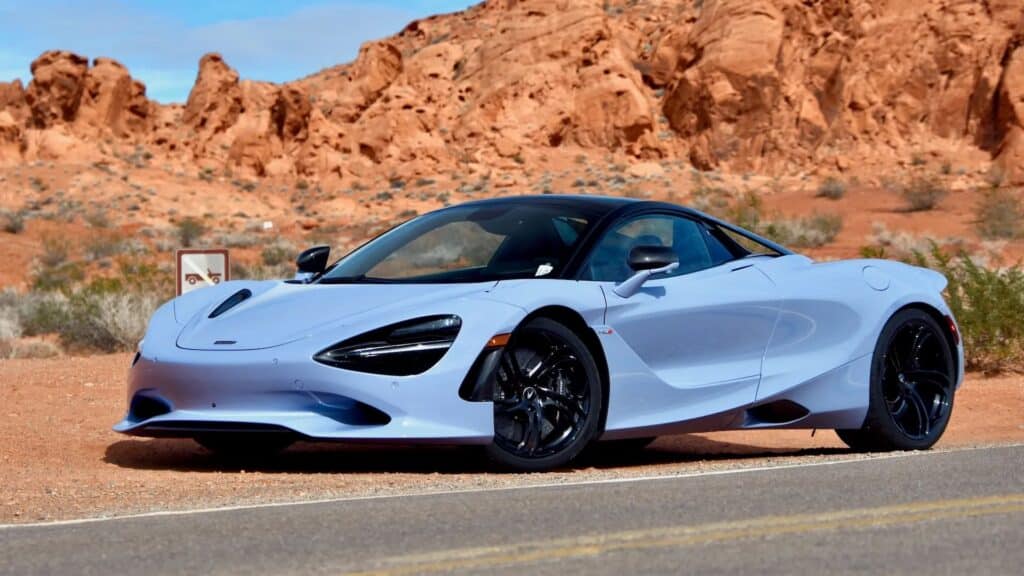
Your McLaren’s engine is not a part you hand to just any garage. Whether you drive an MP4-12C, a 650S, a 720S, a GT, or a 765LT, the twin-turbo V8 sitting behind your seats is one of the most precisely engineered powertrains on the road — and repairing it demands a specialist who understands it at the level McLaren does. Al Quoz has become Dubai’s unofficial capital for luxury and supercar repair, which means you have real choice. It also means you have to know how to separate a genuine McLaren engine specialist from a general workshop that simply lists the badge on its website. This guide walks you through exactly how to choose the best McLaren engine repair workshop in Al Quoz, what a properly equipped specialist should be doing, the engine-specific problems your model is prone to in Dubai’s climate, and the questions that quickly reveal whether a workshop actually knows McLaren engines or just markets to owners who do. Why McLaren Engine Repair in Dubai Needs a True Specialist McLaren builds two core engine families, and the differences matter when you’re choosing where to have yours repaired. The M838T is the 3.8-litre, 90-degree, twin-turbocharged flat-plane V8 that powered the first generation of road cars — the MP4-12C, 650S, 625C, and 675LT — from 2011 onward. The M840T is its 4.0-litre evolution, introduced with the 720S in 2017 and carried through the GT, 750S, and 765LT, with a redline of 8,500 rpm and roughly 80% of peak torque available from as low as 2,000 rpm. Both use dry-sump lubrication, side-mounted radiators, and turbocharging that pushes the cooling and fuel systems hard — architecture that has almost nothing in common with a conventional front-engine luxury car. A workshop that treats a McLaren engine like any other V8 will miss the things that actually fail on these cars. That is the core reason brand specialization is non-negotiable: the tooling, the diagnostic software, the torque and thermal tolerances, and the documented failure patterns are all McLaren-specific. In a market like Al Quoz, where dozens of workshops advertise “McLaren repair,” your job as an owner is to find the handful who genuinely have that depth. At Carzilla’s McLaren repair workshop in Al Quoz, that brand-specific depth is the entire premise of the service. What Separates a Genuine McLaren Engine Specialist From a General Workshop Use the following as your checklist. The best McLaren engine repair workshops in Al Quoz will satisfy most or all of these — a general garage rarely satisfies more than two. 1. McLaren-Specific Diagnostic Equipment, Not Generic Scanners A universal OBD scanner reads fault codes; it does not talk to a McLaren the way the factory system does. A true specialist runs McLaren-grade diagnostics capable of reading live data from the engine, turbochargers, and control modules, performing guided fault-finding, and updating vehicle software — which matters because several early-car issues, particularly on the MP4-12C, were electronic and software-related rather than mechanical. Ask directly what diagnostic platform they use on McLaren. A confident, specific answer is a good sign; a vague “we have advanced tools” is not. 2. Documented Experience With Your Exact Model and Engine There is a meaningful difference between a shop that has serviced one McLaren and one that regularly works on the M838T and M840T. Ask how many McLarens they see in a typical month, which models, and whether they have handled engine work specifically — not just oil changes and brakes. A workshop that can talk fluently about the difference between a 650S and a 720S engine bay, or the quirks of the 570S cooling layout, is telling you something a testimonial cannot. 3. Correct Cooling-System Procedure — This One Is a Fast Filter McLaren’s cooling system uses side-mounted radiators and a layout that traps air pockets. You cannot properly bleed it by simply running the engine and “burping” it — doing so almost guarantees an overheat later. A competent McLaren workshop fills the system under vacuum and pressure-tests it (typically holding around 1.4 bar for a set period) to confirm there are no leaks before the car leaves. If you ask how they refill coolant after a repair and they don’t mention vacuum filling, keep looking. This single question separates specialists from pretenders faster than almost any other. 4. Genuine or OEM-Grade Parts With Traceability Engine internals, coolant connectors, fuel pumps, and coil packs on a McLaren should be genuine or verified OEM-equivalent, and the workshop should be able to show you the part numbers. A quality shop won’t hesitate to source, for example, the correct low-pressure fuel pump assembly for a 720S rather than fitting a generic substitute. Ask to see the parts being replaced and their part numbers — transparency here is a strong trust signal. 5. Transparent, Written Quotations — and No Suspicious Discounts Supercar engine work is skilled labour. Be wary of workshops leading with heavy percentage-off banners or headline prices that seem too low for the platform; those signals are aimed at volume, not precision. The best McLaren engine repair specialists in Al Quoz give you a written, itemised quotation after inspection — parts, labour, and diagnostics separated — with no surprise additions. Honest assessment beats the cheapest number every time on a car like this. 6. A Real Warranty on Engine Work Ask what warranty covers the specific engine repair, for how long, and what it includes. A specialist confident in their work will put terms in writing. A general workshop often gets vague when the question moves from bodywork to internal engine repair. Common McLaren Engine Problems a Good Al Quoz Workshop Should Know Cold The right way to test a workshop’s expertise is to see whether they recognise the issues your engine is actually prone to. These are the well-documented ones — a genuine McLaren engine specialist in Dubai will discuss them without prompting. Coolant Leaks From Hose Connectors and Reservoir Across the MP4-12C, 570S, 650S, and 720S, the cooling system’s quick-connect hose fittings
How to Find the Best Mercedes G-Wagon AC Repair Garage in Al Quoz, Dubai
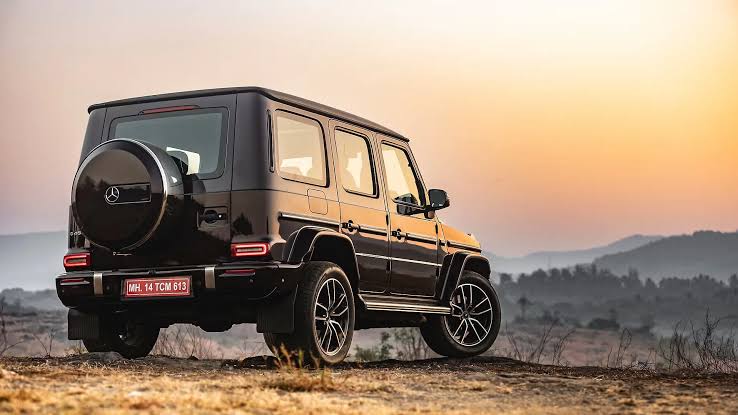
When your Mercedes G-Wagon’s air conditioning stops cooling in a Dubai summer, “any Mercedes garage” is not good enough. The G-Class runs a heavier, more complex climate system than a C-Class or GLC — and picking the wrong workshop can turn a straightforward AC regas into a repeat visit, a wrong-part order, or an unnecessary compressor replacement. This guide walks you through exactly how to choose a Mercedes G-Wagon AC repair garage in Al Quoz — the questions to ask, the equipment that separates a real G-Class specialist from a general workshop, honest cost ranges, and the red flags that tell you to walk away. Why G-Wagon AC Repair Needs a Specialist, Not a General Garage Two things make the G-Class harder on an AC system than almost any other Mercedes in Dubai. First, the climate. Al Quoz garages see the same enemy every day: sustained 45°C+ ambient heat, constant compressor load, and fine desert dust that clogs the condenser and cabin filter far faster than in a cooler climate. A G-Wagon idling in Dubai traffic with three zones of cooling running is one of the hardest workloads you can put on a car AC system. Second, the vehicle itself. The G-Class is a tall, boxy, heavy SUV with a large cabin volume to cool, a front-mounted condenser that sits directly in the path of road debris, and — on most trims sold in the UAE — a multi-zone climate system with rear air conditioning. That means more components, more sensors, and more ways for cooling to fail than a two-zone sedan. A general garage can regas your AC. A G-Wagon AC specialist in Al Quoz understands the model-specific failure points below — and that’s the difference between a fix that lasts and one that’s cold again for a week. Common Mercedes G-Class AC Problems in Dubai Before you choose a garage, it helps to know what actually goes wrong. When a G-Wagon’s AC is not cooling in Dubai, the usual suspects are: Low or leaking refrigerant — the most common cause of weak cooling. Every AC system loses a little refrigerant over years; Dubai heat accelerates seal wear and makes a small leak feel like total failure. AC compressor failure — the heart of the system. On the G-Class this is often a variable-displacement compressor controlled electronically, not a simple on/off clutch, so diagnosis requires reading live data, not just “listening for a click.” Blend door actuator failure — the classic dual-zone symptom: one side blows hot while the other blows cold. This is an actuator/calibration issue, not a refrigerant issue, and swapping gas won’t fix it. Clogged condenser or cabin air filter — Dubai dust is the direct cause. A blocked condenser can’t shed heat, so the AC runs but never gets cold. Faulty pressure, ambient, or evaporator temperature sensors — Mercedes systems have safeguards that refuse to engage the compressor if a sensor reports bad data, even when the system is fully charged. On the engine side, an overheating-related coolant temperature fault can also stop the AC from engaging. Rear AC / three-zone faults — a separate rear evaporator and blower on rear-climate-equipped G-Wagons can fail independently of the front system. Electrical faults in the climate control module or SAM — the “brain” of the system; misdiagnosed constantly by non-specialists. If a garage’s first and only move is “we’ll top up the gas,” they’ve skipped diagnosis. On a G-Wagon that’s a red flag. What Makes G-Wagon AC Repair Different From Other Mercedes Models This is the section every generic “Mercedes repair Al Quoz” page ignores — and the single best way to test whether a garage really knows the G-Class. W463 vs W463A: Know Your Generation The G-Class had an exceptionally long production run, and the AC hardware is not the same across it. The classic W463 (through 2018) and the redesigned W463A (2019 onward, the current G550/G63) use different climate architectures, control modules, and in many cases different compressors and refrigerant. A garage ordering a “G-Wagon compressor” without confirming your exact year and chassis is guessing. Rear AC and Option Code 582 Many G-Wagons in the UAE are specified with rear air conditioning (a multi-zone system). This uses a separate rear evaporator, blower and expansion valve, and demands a higher-capacity compressor. A garage that doesn’t check whether your car has rear climate can order the wrong compressor, misdiagnose a rear-only fault, or undercharge the system. Ask specifically: “Does my G-Wagon have rear AC, and have you accounted for it?” R134a vs R1234yf Refrigerant Newer G-Class models use R1234yf refrigerant, while older ones use R134a. These are not interchangeable, require different equipment and handling, and cost differently. A workshop that only has R134a machines cannot correctly service a newer G-Wagon. This alone disqualifies a lot of general Al Quoz garages for later models. If a garage can speak fluently to these three points, you’ve likely found a real G-Class specialist. If they can’t, keep looking. How to Find the Best G-Wagon AC Repair Garage in Al Quoz: A 7-Point Checklist Use this as your shortlist filter. 1. Genuine Mercedes Diagnostic Equipment (Star Diagnosis / XENTRY) The G-Class climate system is networked across multiple control units. Real diagnosis needs the Mercedes Star Diagnosis / XENTRY system to read fault codes and live data from the HVAC and signal-acquisition modules. A garage relying on a generic OBD scanner cannot properly diagnose a G-Wagon AC fault. This is your first filter. 2. Proven G-Class (and G63 AMG) Experience “We do all Mercedes” is not the same as “we regularly repair G-Wagons.” Ask how many G-Class cars they service and whether they’ve handled G63 AMG and rear-climate models. AMG variants add cooling demand and their own quirks. 3. Correct Refrigerant Handling for Your Year Confirm they have the right equipment for R1234yf or R134a, matched to your model year. A single-machine workshop is a compromise for newer G-Wagons. 4. Genuine or OEM-Approved Parts Insist on genuine Mercedes or OEM-approved AC
How to Choose the Best Rolls Royce Body Shop in Dubai: A Complete 2026 Owner’s Guide
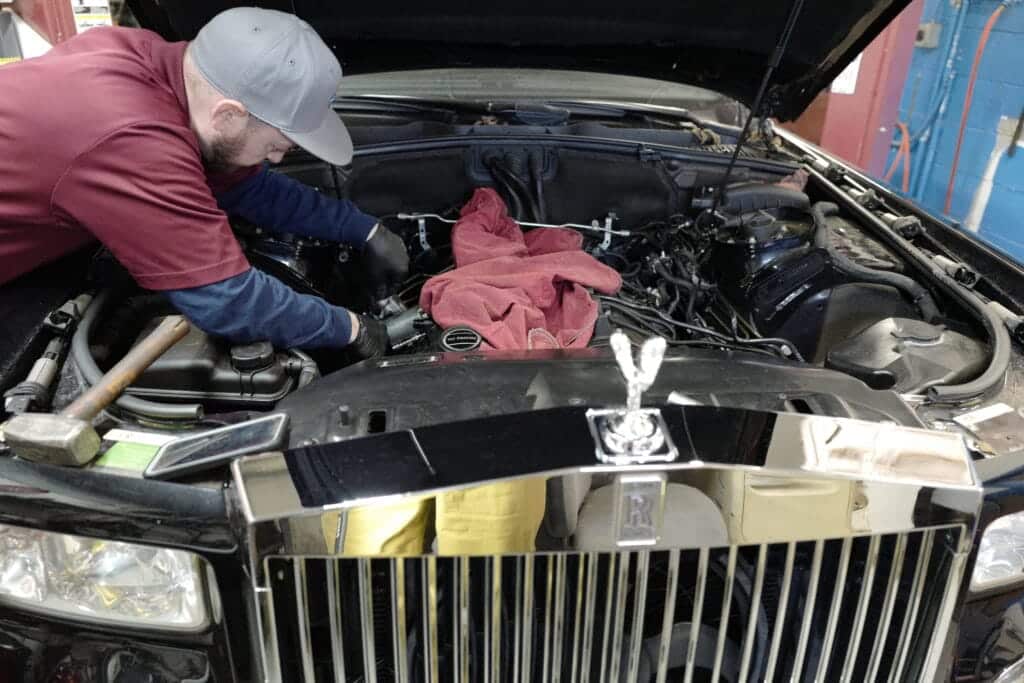
Finding the best Rolls Royce body shop in Dubai is not the same as finding a good body shop. A Phantom, Ghost, Cullinan, Wraith, Dawn, or Spectre carries hand-finished paint, aluminium and composite bodywork, and factory tolerances that an ordinary panel-beater is not equipped to touch. Choose the wrong workshop and you risk mismatched paint, devalued resale, voided coverage, and a finish that never quite looks “right” again. This guide walks you through exactly how to choose a Rolls Royce body repair specialist in Dubai — what to verify, what it should cost, the red flags to avoid, and how dealership, independent specialist, and general body shops actually compare. It’s written for owners who want their car restored to factory standard, not just made to look “fine.” Quick Answer: What to Look for in a Rolls Royce Body Shop in Dubai If you only remember five things when picking a Rolls Royce accident repair or paint specialist in Dubai, make them these: Rolls Royce–specific experience — proven work on Phantom, Ghost, Cullinan and similar, not just “luxury cars.” Factory-grade paint and color-matching — spectrophotometer matching and a dust-controlled, low-bake spray booth. Correct materials — genuine or OEM-equivalent panels and Rolls Royce–approved paint systems. Written warranty — on paint and bodywork, in writing, with a clear duration. Transparent, itemised quotes — labour and parts separated, no vague “all-in” numbers. Everything below expands on these and shows you how to verify each one before you hand over the keys. Why a Rolls Royce Needs a Specialist Body Shop (Not Just Any Garage) The bodywork is fundamentally different Rolls Royce panels are built and aligned to tolerances far tighter than mainstream cars, and the paint is applied in multiple hand-finished layers, often with custom or bespoke colours. Getting a door gap, a panel edge, or a metallic flake pattern slightly wrong is instantly visible on a car this scrutinised. A specialist has the reference data, the color library, and the panel-alignment jigs to match the factory; a general shop is guessing. Dubai’s climate is hard on paint and film Intense UV, heat, sand abrasion, and humidity all age automotive finishes faster in the UAE than in cooler climates. That makes two things critical when choosing a Rolls Royce paint shop in Dubai: the quality of the paint system used, and whether the shop understands heat-cured, UV-stable finishes and proper paint protection film (PPF) or ceramic coating over fresh paint. A cheap respray in this climate can start to fade, orange-peel, or lift within a year or two. Resale value is on the line A Rolls Royce holds value partly on documented, correct maintenance and repair history. Sub-standard bodywork — visible overspray, poor blends, aftermarket panels of the wrong grade — is exactly what a pre-purchase car inspection flags, and it can knock a serious sum off resale. The right body shop protects the asset, not just the appearance. Dealership vs Independent Specialist vs General Body Shop: Which Is Right for You? One of the most useful things you can do before booking is understand the three types of workshop available in Dubai and what each trades off. Authorized Rolls Royce dealership / service centre Best for: in-warranty cars, complex structural or accident repairs, owners who want the official record. Strengths: factory-trained technicians, guaranteed genuine parts, full access to Rolls Royce technical data, and repairs logged in the official history. Trade-offs: the highest prices in the market, longer waiting times, and less flexibility on parts or bespoke requests. Independent Rolls Royce specialist Best for: out-of-warranty cars where you want dealer-level quality without dealer-level pricing. Strengths: technicians who work on Rolls Royce daily, genuine or high-grade OEM parts, and typically significant savings versus the dealership — many independent specialists in Dubai position themselves well below authorized pricing while matching the finish. Trade-offs: quality varies more between shops, so vetting (below) matters far more here. General or multi-brand body shop Best for: very minor cosmetic work only — and even then, with caution. Strengths: cheapest, fastest, everywhere. Trade-offs: rarely equipped for Rolls Royce paint matching, panel alignment, or the correct materials. For anything beyond a tiny touch-up, this is where most owners get burned. Rule of thumb: in-warranty or major accident damage → dealership or a top-tier independent specialist. Out-of-warranty dents, scratches, respray, or restoration → a vetted independent Rolls Royce specialist usually gives the best value-to-quality ratio. The 8 Factors That Separate a Great Rolls Royce Body Shop From an Average One This is the core checklist. Work through it before committing to any Rolls Royce denting and painting workshop in Dubai. 1. Verified Rolls Royce (not just “luxury car”) experience Ask directly: how many Rolls Royce vehicles have you repaired, and can I see before-and-after photos? A genuine specialist will have a portfolio of Phantom, Ghost, Cullinan, Wraith, Dawn, or Spectre work. “We do all luxury brands” is not the same as demonstrable Rolls Royce experience. 2. Certified, experienced technicians Look for technicians with formal training and proven time working on Rolls Royce or equivalent ultra-luxury marques. On a car this complex and expensive, technician skill is the single biggest driver of outcome. Don’t be shy about asking who will actually work on your car. 3. Factory-grade paint matching and a proper spray booth The finish is everything. The best Rolls Royce paint shops in Dubai use: Spectrophotometer color-matching to read your exact shade, including bespoke and metallic finishes. A dust-controlled, temperature-regulated spray booth with a low-bake oven so paint cures correctly in Dubai’s heat. Blending into adjacent panels rather than a hard edge, so repairs are invisible. Ask to see the booth. A serious workshop will happily show it. 4. Genuine or OEM-equivalent parts For panel replacement or structural repair, confirm the grade of parts. Genuine Rolls Royce parts guarantee fit and finish; reputable independents may offer high-quality OEM-equivalent options and should explain the difference in quality, price, and warranty transparently. Insist they tell you which they’re using — in writing. 5.
Lamborghini Huracán Suspension Repair At Carzilla Auto in Dubai
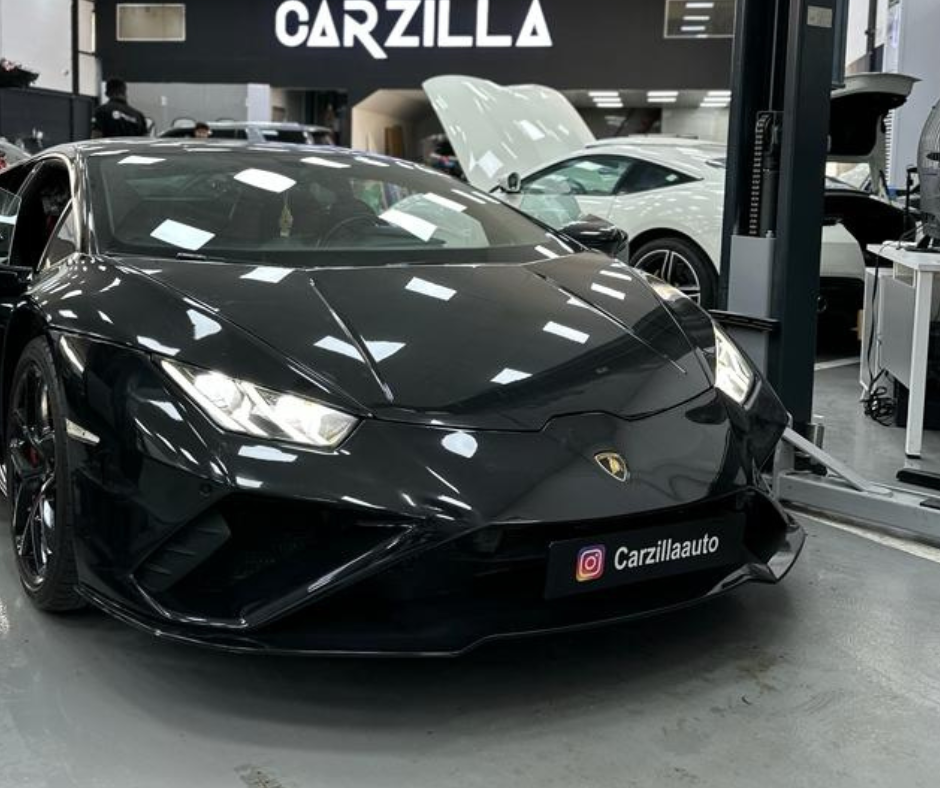
When your Lamborghini Huracán stops feeling planted through a corner on Sheikh Zayed Road — or a “Lifting system fault – do not exceed 45 mph” message flashes across the digital cluster — you are not dealing with an ordinary suspension problem. The Huracán rides on aerospace-grade hardware that sits millimetres off the tarmac and works under extreme G-forces, which is exactly why its suspension is often the first system to show wear. This guide explains how the Huracán’s suspension actually works, the warning signs specific to each variant, and how the specialist team at Carzilla Auto in Al Quoz, Dubai diagnoses and repairs it to factory specification. Carzilla is an independent Lamborghini repair garage in Al Quoz that works on the Huracán, Urus and Aventador with OEM tooling and factory-level calibration software — not generalist shortcuts. This page covers the Huracán specifically; for our wider Lamborghini suspension repair service across all models, see the main suspension page. Why Lamborghini Huracán Suspension Repair Needs a Specialist in Dubai Dubai is one of the harshest environments in the world for an exotic car’s suspension. Summer heat cooks damper seals and hydraulic fluid, sudden downpours flood low-lying underbody components, and speed bumps, ramps and sand-dusted expansion joints hammer a car built to clear only a few centimetres of road. On a Huracán, that combination accelerates wear on the very components that give the car its razor-sharp handling. More importantly, the Huracán is not a car you can hand to a general workshop. Its suspension is woven into the vehicle’s electronics: ride-height sensors, damper control units and — on later cars — the LDVI (Lamborghini Dinamica Veicolo Integrata) brain that coordinates suspension, steering and traction as a single system. Fit a part without the correct coding and calibration, and the car will simply throw a fault and drop into a stiff “limp” mode. Specialist diagnosis is not a luxury here; it is the only way the repair holds. Understanding the Lamborghini Huracán Suspension System To repair a Huracán correctly, you first have to know which suspension it left the factory with — because the hardware changed meaningfully across the range. Passive Coilover Suspension (Base RWD / LP 580-2) Entry Huracán variants such as the rear-wheel-drive LP 580-2 were frequently specified with conventional passive coilover dampers, tuned for a rear-driven balance. These cars are simpler mechanically but still demand exact alignment and corner-weight tolerances to feel right. Lamborghini Magneto-Rheological (MagneRide) Adaptive Dampers The optional magnetorheological suspension — often called MagneRide — uses damper fluid filled with microscopic magnetic particles. When an electrical charge passes through it, the fluid’s viscosity changes almost instantly, letting the car adjust damping firmness on the fly based on driving style, road surface and the selected Strada, Sport or Corsa drive mode. On the LP 610-4, Performante and EVO, these adaptive dampers work alongside ride-height sensors that feed the control system. Front Axle Lift System Nearly every Huracán in Dubai is fitted with the hydraulic front-axle lift, which raises the nose to clear ramps, driveways and speed bumps. It is one of the most-used features on a UAE-owned Huracán — and, as we will see below, one of the most common failure points. Lamborghini Dynamic Steering (LDS) and LDVI Many Huracáns pair the suspension with Lamborghini Dynamic Steering (LDS), a variable-ratio system, and later EVO models add the LDVI controller that integrates suspension, steering and rear-wheel steering. A fault in one of these subsystems can present as a “suspension” symptom, which is why full-system diagnostics matter. Common Lamborghini Huracán Suspension Problems We See in Dubai These are the real-world faults that bring a Huracán into a specialist workshop — described the way owners actually experience and search for them. 1. Front Lift Pump Failure (“Do Not Exceed 45 mph”) This is the single most common Huracán suspension complaint. Early on, the lift takes longer to raise the nose, or the pump makes a straining, whining, compressor-like noise. Left unattended, a “Lifting system fault” or front-lift warning appears on the dash, the nose may rise or drop on its own, and the car restricts you to low speed. The usual causes are a failing lift pump, a hydraulic leak, or a tired control unit — and ignoring the early whine is what burns the pump out and drives the repair cost up. 2. Damper “Misting” and Shock Absorber Leaks Because Huracán struts sit behind tight wheel arches and carbon-fibre aero panels, a leak can go unnoticed for months. The earliest sign is “misting” — a light film of oil and dust on the shock body. Catch it here and it is an inspection; miss it and the damper fails, giving a bouncy, floaty ride and imprecise turn-in. 3. Magnetorheological Damper and Mode-Selector Faults On MagneRide cars, a failing adaptive damper or wiring fault can trigger warning messages when you switch between Strada, Sport and Corsa, or leave the ride feeling wrong regardless of mode. These dampers are electronically coded to the car, so replacement without recalibration will not resolve the fault. 4. Ride-Height Sensor Desync After Lowering A very Dubai-specific issue: owners fit lowering springs or adjustable suspension links, but if the front-left and front-right heights are even 1–2 mm out of sync — or the adjusters do not match the new height — the ride-height sensors and front-lift system throw fault codes. On Performante and EVO cars, which use height sensors tied into both MagneRide and the lift, this is especially sensitive. It is a simple fix when measured and set correctly, and a persistent headache when it is not. 5. Worn Control Arms, Bushings and Ball Joints Clunking over expansion joints, vibration through the wheel and vague steering usually trace back to worn control-arm bushings, ball joints or sway-bar links. On a car that generates the cornering loads a Huracán does, these tolerances are tight and worth restoring precisely. Symptoms That Mean Your Huracán Needs Suspension Attention Book an inspection at Carzilla if your Lamborghini Huracán shows any
How to Get the Best Rolls Royce Service Dubai – Tips from an Expert
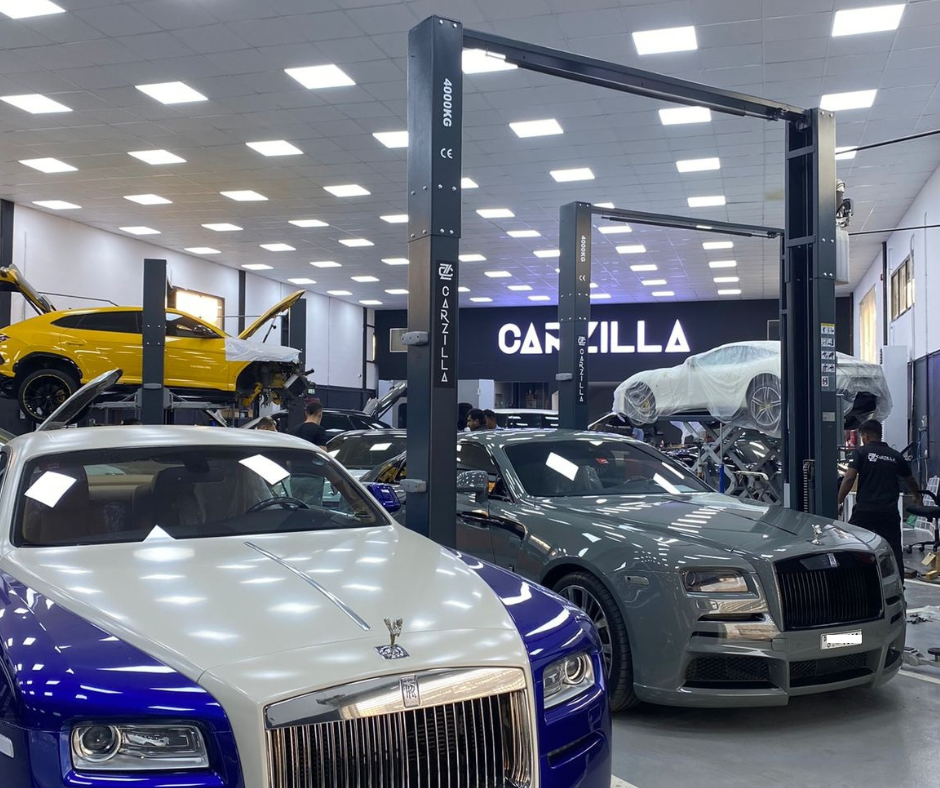
Owning a Rolls-Royce in Dubai is a statement. Keeping it running like the day it left Goodwood is a discipline. Between the desert heat, fine sand, stop-start city traffic, and the sheer engineering complexity of a Phantom, Ghost, or Cullinan, a Rolls-Royce demands a level of care that an ordinary workshop simply cannot deliver. This is a practical, no-fluff guide to getting the best Rolls Royce service in Dubai — how to choose the right specialist, what maintenance your car actually needs, what it should cost, and the warning signs you must never ignore. Whether you searched for Rolls Royce repair near me, an authorized Rolls Royce service center in Dubai, or a trusted Rolls-Royce repair specialist in Dubai, everything you need to make a confident decision is below. Why Rolls-Royce Servicing in Dubai Is Different A Rolls-Royce is not just a luxury car — it is a hand-built, technology-dense machine where air suspension, adaptive drive, twin-turbo V12 engineering, and bespoke electronics all work together to create the famous “magic carpet ride.” Servicing one is closer to caring for a fine timepiece than maintaining a family sedan. Dubai’s environment adds a second layer of difficulty that owners in cooler climates never face: Extreme heat accelerates the breakdown of rubber seals, suspension bellows, coolant, and engine oil, and puts the cooling and car AC system under constant strain. Fine desert sand and dust infiltrate air filters, ride-height sensors, brake components, and valve blocks, causing premature wear and false sensor readings. Stop-start city driving through areas like Downtown, Business Bay, and Sheikh Zayed Road increases load on the brakes, transmission, and air suspension compressor. Long highway cruising at high ambient temperatures tests the engine, tyres, and cooling system in ways that shorten standard service intervals. The takeaway: a Rolls-Royce in the UAE needs more frequent, more specialized attention than the factory schedule assumes for a temperate climate. Choosing the right workshop is the single most important decision you will make as an owner. How to Choose the Best Rolls-Royce Service Center in Dubai Not every “luxury car garage” is equipped to work on a Rolls-Royce. Use these criteria to separate a genuine specialist from a general workshop that happens to accept high-end cars. 1. Look for Genuine Rolls-Royce Experience, Not Just “Luxury Car” Claims Ask directly how many Rolls-Royce vehicles the workshop services each month and which models they handle regularly. A true specialist will talk fluently about Phantom air suspension, Ghost’s Planar suspension system, Cullinan’s all-wheel-drive setup, and the electronics that tie them together. Marketing language is cheap; specific model knowledge is not. (For a deeper look at how to vet a specialist workshop, this owner’s guide to choosing a luxury car repair shop in Al Quoz applies just as well to Rolls-Royce.) 2. Verify Diagnostic Equipment and Software Access Modern Rolls-Royce models are heavily computerized and share BMW-derived electronic architecture. Proper diagnosis requires manufacturer-level diagnostic tools and up-to-date software — not a generic OBD scanner. Without the right equipment, a workshop is guessing, and guessing on a Rolls-Royce is expensive. 3. Insist on Genuine or OEM-Quality Parts Non-genuine parts can compromise performance, reliability, safety, and — critically for an appreciating asset — resale and collector value. A reputable Rolls-Royce repair workshop in Dubai will use genuine or OEM-equivalent components and be transparent about exactly what is going into your car, from a Rolls-Royce battery replacement to a full air-strut assembly. 4. Check Independent Reviews and Real Customer Feedback Read Google reviews, look for photos of actual Rolls-Royce work (not stock images), and ask for references. Consistent feedback about transparent pricing, clean facilities, careful handling, and honest diagnosis matters far more than a five-star average with no detail. 5. Demand Transparent, Itemized Pricing Before any work begins, you should receive a written, itemized estimate. A trustworthy garage explains what is needed, what can wait, and what each item costs. Vague “we’ll see when we open it up” pricing is a red flag on a car this valuable. 6. Consider Location and Convenience — Al Quoz Is Dubai’s Luxury Service Hub Al Quoz Industrial Area has become the natural home for Dubai’s high-end independent workshops, offering specialist expertise without dealership overheads. A well-located Rolls-Royce service center in Al Quoz also makes practical perks — pickup and delivery, loaner arrangements, and quick re-inspections — far easier to use. 7. Ask About Value-Added Services Complimentary collection and delivery, courtesy washes, and progress updates with photos aren’t just luxuries — they’re signs of a workshop that respects both the car and the owner’s time. Rolls-Royce Maintenance Schedule for Dubai Conditions Because of the climate, many independent specialists recommend servicing intervals slightly tighter than the factory default. Use the table below as a practical baseline and confirm specifics with your specialist based on mileage and driving style. Service Item Recommended Interval (Dubai) Why It Matters in the UAE Climate Engine oil & filter change Every 10,000–15,000 km or 12 months Heat degrades oil faster; clean oil protects the V12 Brake inspection Every 10,000 km Stop-start traffic and heat increase pad and rotor wear Air suspension inspection Every 10,000–15,000 km Heat and dust attack seals, struts, and sensors AC system service Annually, before summer Cooling load is extreme from May to September Coolant check / flush Per manufacturer schedule High ambient temps stress the cooling system Battery health test Every 6–12 months Heat is the number-one killer of car batteries in the UAE Tyre condition & pressure Monthly + every service Heat and high-speed driving accelerate tyre aging Full major service Every 20,000 km or 2 years Comprehensive inspection catches issues early Regular inspections are the cheapest maintenance you will ever do. A leaking air strut caught early is a modest repair; ignored, it can cascade into compressor failure and a far larger bill. Model-Specific Rolls-Royce Service Notes Rolls-Royce Phantom Service in Dubai The flagship Phantom’s air suspension and refined V12 are engineered for isolation and silence. In Dubai’s heat, pay close attention to suspension bushings,
Mercedes-Benz S550 Engine Overheating Repair At Carzilla Auto Service in Dubai
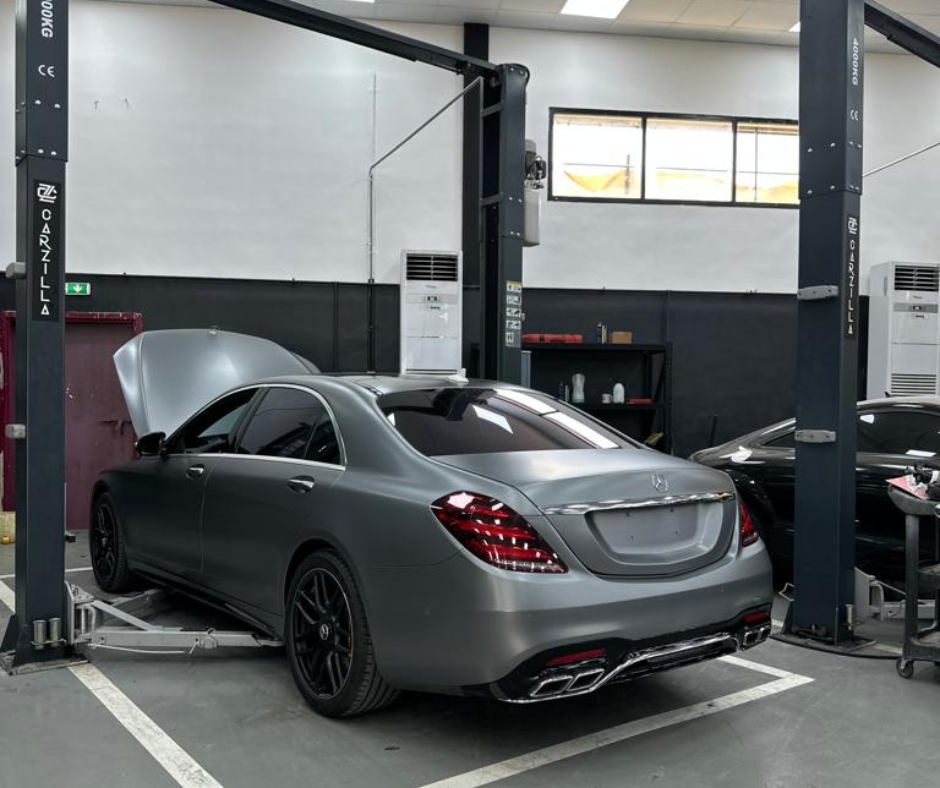
Is your Mercedes-Benz S550 running hot, losing coolant, or flashing a temperature warning in Dubai traffic? At Carzilla Auto Service in Al Quoz, we diagnose and repair S550 engine overheating at its root cause — from coolant leaks and failed thermostats to water pump and radiator faults on the M273 and M278 V8 engines. This guide explains why the S-Class overheats in the UAE climate, the warning signs to act on immediately, how a proper diagnosis works, and what repairs typically cost. Why Does a Mercedes-Benz S550 Overheat in Dubai? The S550 is a heavy, high-output luxury saloon, and its cooling system is engineered to hold a precise operating temperature. Dubai’s climate pushes that system harder than almost anywhere else. On a 45°C summer afternoon, stop-start traffic on Sheikh Zayed Road leaves the engine soaking in heat with little airflow — exactly the condition that exposes any weakness in the cooling circuit. Two engine families sit under the “S550” badge, and each has its own tendencies: W221 S550 (2007–2013) — the M273 5.5L naturally aspirated V8, where coolant leaks and thermostat wear are the usual culprits. W222 S550 (2014–2017) — the M278 4.7L twin-turbo V8, which runs hotter by design and puts extra thermal load on the water pump, coolant pipes, and turbo cooling lines. In the Gulf’s heat, small issues that a car might tolerate in a cooler climate — a slightly weak water pump, an aging thermostat, a hairline crack in a plastic coolant fitting — turn into full overheating events much faster. That’s why an S550 that “was fine last winter” often overheats for the first time in June or July. Warning Signs Your S550 Needs Overheating Repair Catching the problem early is the difference between a straightforward repair and a cracked cylinder head or blown head gasket. Bring your S550 to Carzilla if you notice any of the following: Temperature gauge climbing above the normal mid-point, especially in slow traffic A dashboard coolant temperature warning or “stop vehicle” message Sweet-smelling coolant or visible pink/purple fluid under the car after parking Weak or cold air conditioning at idle, then improving when you drive faster White steam or vapour from under the bonnet The auxiliary cooling fan running loudly long after you switch off Frequent coolant top-ups with no obvious puddle (a sign of an internal or pressurised leak) If the gauge is in the red or you see steam, stop driving, switch off the engine, and let it cool before checking anything. Continuing to drive an overheating V8 is the fastest way to turn an AED 1,500 repair into an engine rebuild. Common Causes of Mercedes S550 Engine Overheating Most S550 overheating traces back to one of the failure points below. A correct diagnosis matters because several of these produce identical symptoms. 1. Coolant Leaks From Pipes, Hoses, and Fittings The single most common cause. The S550 uses several plastic coolant crossover pipes and fittings that become brittle with age and heat, then crack. Leaks also appear at hose connections, the water pump housing, and the coolant expansion (overflow) tank, which is prone to hairline cracks. 2. Failed Coolant Thermostat The S550’s map-controlled thermostat regulates coolant flow between the engine and radiator. When it sticks closed, coolant can’t reach the radiator and temperature spikes quickly — often the cause of overheating that comes on suddenly. 3. Water Pump Failure The water pump circulates coolant through the engine. A worn bearing, leaking seal, or damaged impeller stops proper circulation. On the twin-turbo M278, a weak pump shows up faster because the engine generates more heat. 4. Radiator Blockage or Damage Over years of Dubai driving, radiators collect sand, dust, and internal scale that reduce their ability to shed heat. A blocked or corroded radiator core simply can’t cool the coolant fast enough in summer. 5. Faulty Electric Cooling Fan At idle and low speed, the S550 relies on its auxiliary electric cooling fan to pull air through the radiator. A failed fan motor, relay, or control module causes overheating specifically in traffic while the car cools normally at highway speed — a classic diagnostic clue. 6. Low or Contaminated Coolant Coolant that’s low from a slow leak, or old and contaminated with rust and scale, transfers heat poorly. Mercedes cooling systems also need the correct coolant specification and proper bleeding — the wrong fluid or trapped air pockets cause overheating on their own. 7. Blown Head Gasket The most serious outcome, usually the result of prolonged overheating rather than the initial cause. Signs include white exhaust smoke, coolant loss with no external leak, and oil that looks milky. This is why early repair matters. How Carzilla Diagnoses S550 Overheating Guesswork replaces parts you don’t need. Our process pinpoints the actual fault before any work is approved: Full cooling-system inspection — we check coolant level and condition, all hoses, pipes, the water pump, radiator, and expansion tank for leaks and damage. Mercedes STAR / XENTRY diagnostics — we read live coolant temperature data, thermostat and fan operation, and any stored fault codes directly from the S550’s control units. Cooling-system pressure test — pressurising the system reveals slow and hidden leaks that don’t show up cold. Thermostat and fan verification — we confirm the thermostat opens at the correct temperature and the electric fan engages on command. Combustion-gas (block) test when needed — if we suspect a head gasket, we test for exhaust gases in the coolant to confirm before recommending major work. You get a clear explanation of the fault and a transparent quote before we proceed — no surprise charges. Mercedes S550 Overheating Repair Services at Carzilla Depending on the diagnosis, our S550 cooling-system repairs include: Coolant leak detection and repair Coolant crossover pipe and hose replacement Thermostat and thermostat housing replacement Water pump replacement (M273 and M278) Radiator repair or replacement Electric cooling fan, relay, and control-module replacement Coolant expansion tank replacement Full coolant flush, refill, and vacuum bleeding with the correct Mercedes-spec coolant Head gasket
Need Mercedes Brake Service Urgently? Here’s What You Should Know!
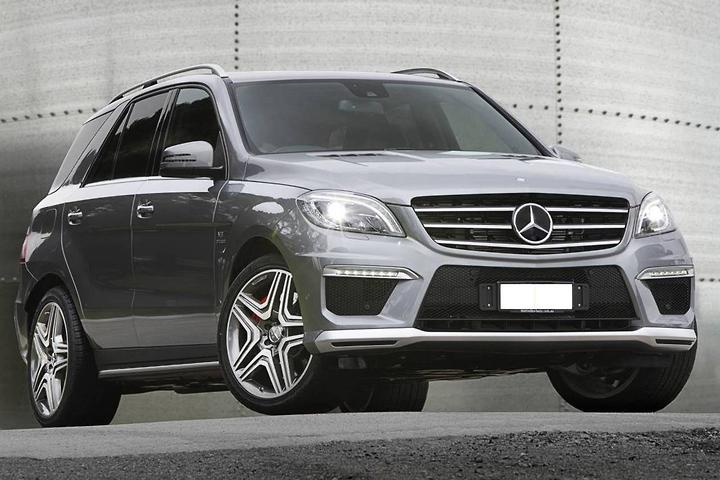
Worn or failing brakes on a Mercedes-Benz are not a “next week” problem — they are a right now safety decision. If your dashboard is showing a brake warning message, you’re hearing grinding, or the pedal suddenly feels soft, this guide walks you through exactly what to do, whether it’s safe to keep driving, what urgent Mercedes brake repair costs in Dubai, and how to get it fixed fast without overpaying at a dealership. Mercedes Brake Warning Light On? Do These 3 Things First Before anything else, triage the situation. Your response depends on which warning you’re seeing. Yellow “Brake Wear” / “Visit Workshop” message — Your electronic pad-wear sensor has tripped. This is urgent but not an emergency. You typically have a short window (a few hundred kilometres) to book a Mercedes brake pad replacement before metal starts contacting the rotor. Don’t ignore it. Red “BRAKE” light or exclamation mark — Stop treating this as routine. It can mean low brake fluid, a hydraulic pressure fault, or a triggered safety system. Reduce speed, avoid highways, and get the car inspected the same day. A soft, spongy, or sinking pedal — This is the one that ends journeys. It points to air in the lines, a fluid leak, or a failing master cylinder. Do not continue driving. Pull over safely and arrange recovery or a mobile brake inspection. If you’re anywhere near Al Quoz, a specialist Mercedes garage can usually get you in for a same-day diagnostic — far faster than waiting on a dealership service slot. Urgent Warning Signs Your Mercedes Brakes Need Immediate Attention Mercedes-Benz braking systems are engineered to warn you early. Learning to read those signals is the difference between a straightforward pad change and a bill that runs into the thousands of dirhams. Squealing vs Grinding: What the Noise Actually Means High-pitched squeal or chirp when braking — This is the wear indicator doing its job. Your pads are thin. Book service promptly, but short, careful driving is usually fine. Metal-on-metal grinding — This is a red-line symptom. The pad material is gone and the backing plate is now cutting into your rotor. Every stop from here is damaging expensive parts. This is urgent Mercedes brake repair territory. Vibration, Pulsing, or a Shaking Steering Wheel Under Braking A pulsation felt through the pedal or steering wheel almost always points to warped or unevenly worn brake rotors — common on Mercedes models driven hard in Dubai’s stop-start traffic and heat. Warped rotors rarely fix themselves and usually need machining or replacement. Longer Stopping Distances or a Car That Pulls to One Side If your Mercedes takes noticeably longer to stop, or pulls left or right when you brake, suspect uneven pad wear, a sticking caliper, or contaminated brake fluid. On a heavy, performance-oriented car, a few extra metres of stopping distance is exactly what you don’t want in an emergency. A Burning Smell or Brake Fade After Repeated Stops A sharp chemical smell and a pedal that goes soft after a run of hard stops signals brake fade — overheated pads and fluid losing their bite. In the UAE’s ambient heat this happens faster than in cooler climates, and it’s a clear sign the system needs inspection. Is It Safe to Drive Your Mercedes With Worn Brakes? Short answer: it depends entirely on the symptom, and the honest answer is usually not for long. Symptom Safe to drive? What to do Yellow brake-wear message Short trips only Book pad replacement within days Squealing on braking Cautiously, briefly Schedule inspection this week Grinding / metal-on-metal No Stop driving, book urgent repair Red brake warning light No Same-day inspection or recovery Soft / sinking pedal No Pull over, arrange recovery Every kilometre driven on grinding brakes turns a manageable brake pad replacement into a full pad-and-rotor job — and on some models, caliper damage too. The cost escalation is real: a routine service can more than double once the rotors are destroyed. Why Mercedes Brakes Wear Faster in Dubai’s Heat and Traffic Mercedes brake components don’t last as long in the UAE as they might in Europe, and it’s worth understanding why before you assume something is wrong. Extreme ambient heat accelerates pad glazing and shortens brake-fluid life. Fluid is hygroscopic — it absorbs moisture and degrades, and Dubai’s climate speeds that up. Stop-and-go congestion on routes like Sheikh Zayed Road puts braking systems through far more heat cycles than open-road driving. Vehicle weight and performance — Mercedes-Benz cars are heavy and built to accelerate hard, so the brakes work harder than those on a typical economy car. Realistically, many owners in the UAE see 20,000–40,000 km from a set of front pads, with rear pads often lasting longer. Driving style, model, and traffic all shift that range. How Much Does Mercedes Brake Service Cost in Dubai? Cost transparency is where most garages stay vague — so here’s a realistic picture in AED. Basic brake inspection / diagnostic — often complimentary or nominal at a specialist garage. Front brake pad replacement (specialist) — commonly in the AED 1,200–1,600 range for popular models, depending on parts and specification. Front brake pad replacement (authorised dealer) — for chassis like the W205 C-Class or W222 S-Class, dealer pricing frequently lands around AED 2,000–2,500. Full pad-and-rotor replacement per axle — higher again, and the reason it pays to act before the grinding starts. AMG and large-caliper / composite-rotor models — meaningfully more, given the premium components involved. Prices vary by model, parts grade (genuine vs OEM-equivalent), and whether electronic systems need resetting. Always ask for a written breakdown of parts and labour before work begins. Genuine vs OEM-Equivalent Brake Parts: What’s Right for Your Mercedes? Quality independent specialists offer both genuine Mercedes-Benz and trusted OEM-equivalent components (Brembo, ATE, Textar, Pagid). Genuine parts protect resale value and factory feel; premium OEM-equivalent parts can reduce cost without compromising safety — provided fitment and specification are correct. Bargain aftermarket pads that disable wear sensors