
Dubai’s Top-rated Bentley Repair Shop Unveils the Secrets To Maintaining Luxury Cars!
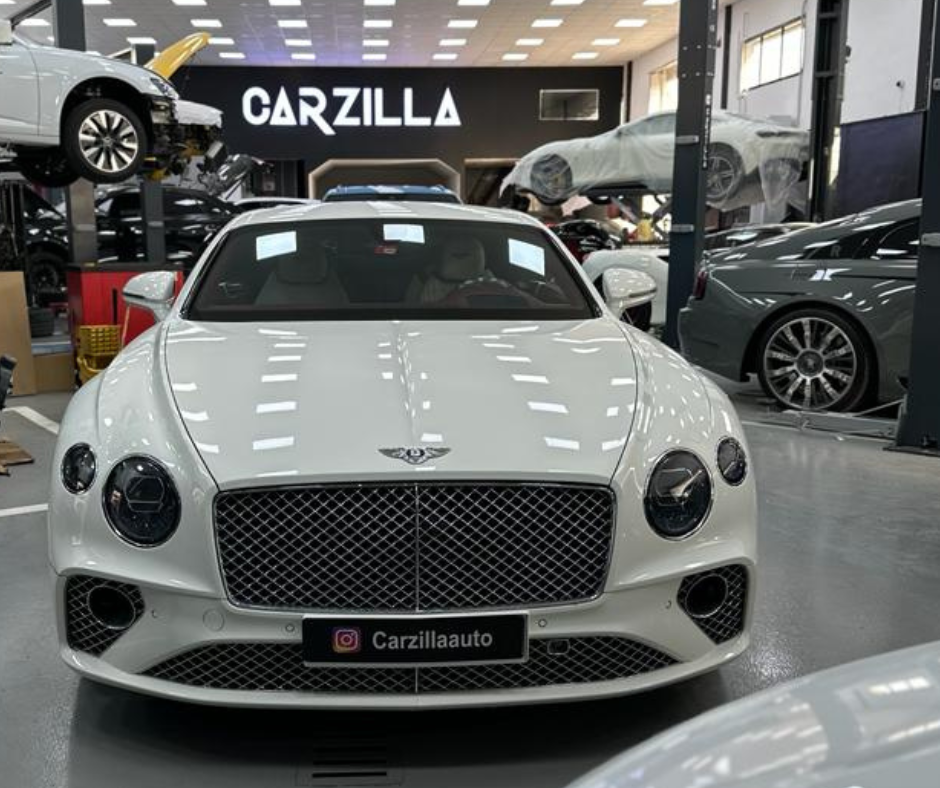
Owning a Bentley in Dubai is a statement — but keeping it flawless in one of the harshest climates on earth is a skill. The same 45°C summers, fine desert dust, and stop-start traffic that make Dubai roads unique also put unusual strain on a Bentley’s air suspension, cooling system, battery, and paintwork. Most maintenance advice online ignores this completely. This guide is different. Drawing on hands-on experience from our luxury car repair workshop in Dubai, it reveals what actually keeps a Bentley reliable here — the model-specific service needs, the real maintenance schedule, the common faults we see, honest cost expectations, and the maintenance “secrets” that separate a car that ages gracefully from one that drains your wallet. Whether you drive a Continental GT, a Bentayga, or a Flying Spur, this is the Bentley maintenance playbook built for Dubai conditions. If your car already needs attention, our Bentley repair service in Dubai covers everything below under one roof. Why Bentley Maintenance in Dubai Is Different From Anywhere Else A Bentley is engineered in cool, damp Crewe, England. Dubai could not be more different — and that mismatch is where most avoidable repairs come from. Understanding the local stressors is the first “secret” to lower running costs. Extreme Heat and the Cooling System Summer ambient temperatures above 45°C mean under-bonnet temperatures on a hard-working W12 or V8 climb far higher. Coolant degrades faster, hoses and gaskets age quicker, and any weakness in the radiator, water pump, or thermostat is exposed sooner than it would be in Europe. In Dubai, cooling-system health is the single most important reliability factor for a Bentley — which is why proactive engine and cooling repair matters more here than almost anywhere else. Fine Desert Dust and Airflow Airborne sand is abrasive and relentless. It clogs engine air filters and cabin pollen filters far faster than manufacturer intervals assume, restricts airflow to radiators and condensers, and works its way into door seals and switchgear. A Bentley driven in Dubai typically needs its filters checked at roughly half the mileage interval printed in the owner’s manual. The same dust load also puts extra strain on the climate system, making regular car AC repair and servicing a Dubai essential rather than a luxury. Humidity, Coastal Air, and Electronics Coastal humidity accelerates corrosion on connectors, sensors, and battery terminals, and a Bentley is a rolling computer — dozens of control modules, ambient lighting, adaptive suspension, and infotainment all vulnerable to moisture-related electrical faults. Add short city trips that never fully recharge the battery, and you have the recipe behind many Dubai “won’t start” and warning-light complaints. Understanding Your Bentley: Model-Specific Service Needs Generic advice fails Bentley owners because each model has its own weak points. A genuine Bentley repair specialist tailors the service plan to your car — here’s what matters by model. Bentley Continental GT & GTC Service in Dubai The grand tourer’s twin-turbo W12 (and later 4.0L V8) is powerful but heat-sensitive. Priorities: cooling system integrity, turbo health, coil packs and spark plugs, and the 48V Bentley Dynamic Ride and air suspension on newer cars. Carbon-ceramic brakes, where fitted, need correct pad material and careful inspection rather than routine over-servicing. Bentley Bentayga Maintenance in Dubai As a heavy luxury SUV, the Bentayga leans hard on its air suspension and air compressor — components that work overtime on Dubai’s speed bumps, kerbs, and heat. Load, temperature, and ride-height cycling make air suspension the Bentayga’s most common big-ticket repair. Cooling, brakes, and the 8-speed automatic transmission fluid also deserve close attention. (It’s the same air-suspension stress we manage on other luxury SUVs, such as Range Rover repairs.) Bentley Flying Spur Service The Flying Spur shares much of the Continental’s drivetrain in a larger, heavier saloon. Watch the same W12/V8 cooling and turbo items, plus the air suspension and the extensive rear-cabin electronics and comfort systems that owners expect to work perfectly. Older Bentleys: Mulsanne, Arnage & Classic Grand Tourers Older models reward preventive care. Ageing rubber (hoses, bushes, suspension components) degrades faster in UAE heat, so scheduled replacement before failure is far cheaper than emergency repair. Genuine or OE-grade parts and a technician who knows the model’s history are essential. The Bentley Maintenance Schedule Every Dubai Owner Should Follow Bentley publishes service intervals for temperate climates. In Dubai, the smart approach is to follow the manufacturer’s schedule as a minimum and tighten the heat- and dust-sensitive items. Use the table below as a practical Dubai-adjusted guide (always confirm exact figures for your model year with a specialist). Service Item Manufacturer Guide Dubai-Adjusted Recommendation Why It Matters Here Engine oil & filter ~1 year / mileage-based Annually, don’t stretch Heat + stop-start traffic degrade oil faster Engine air filter Per service schedule Check every 6 months Desert dust clogs filters early Cabin / pollen filter Per service schedule Every 6–12 months Dust and AC load in Dubai Brake fluid ~2 years Every 2 years, test moisture Humidity raises fluid moisture content Coolant Long-life Inspect yearly, replace on schedule High under-bonnet temps stress coolant Spark plugs (W12/V8) Mileage-based On schedule; inspect coils Heat and turbo load Transmission fluid (8-spd) Long interval Inspect; service proactively Heat degrades ATF Air suspension Inspect Inspect at every service Heat + road shock = early wear Battery As needed Test every service, esp. pre-summer Heat is the No.1 battery killer Tyres Rotate/inspect Check pressures monthly Heat + load raise blowout risk 7 Secrets to Maintaining a Bentley in Dubai These are the habits that quietly save Bentley owners thousands in avoidable repairs — the difference between reactive and preventive ownership. 1. Treat the Cooling System as Priority Number One In Dubai, most catastrophic Bentley engine damage traces back to an overlooked cooling fault. Have the radiator, hoses, water pump, and coolant condition inspected at every service — before summer, not during it. A small hose replacement is cheap; an overheated W12 is not. 2. Service the Air Suspension Before It Fails A sagging corner, a
How to Choose the Best Porsche Repair Service in Al Quoz, Dubai: An Owner’s Vetting Guide

A Porsche punishes lazy maintenance in a way most cars don’t. Tighter engineering tolerances, model-year-specific quirks, and systems that a generic OBD scanner can’t even see mean the wrong workshop can misdiagnose a AED 300 sensor as a AED 4,000 job — or miss a failing component until it destroys the engine. This guide shows you exactly how to choose the best Porsche repair service in Al Quoz, Dubai: how to vet a genuine specialist, what to ask, what it should cost, and the model-specific weak points a real Porsche technician will know before you finish your sentence. Why Al Quoz Is the Right Place to Service a Porsche in Dubai Al Quoz Industrial Area is Dubai’s dense cluster of independent luxury and performance workshops — and for a Porsche owner, that concentration is the whole point. When genuine Porsche repair specialists in Dubai, parts importers, and diagnostic-equipped garages all operate within a few streets of each other, you get three advantages a scattered general garage can’t offer: Real model volume. Specialists here see 911s, Caymans, Macans, Cayennes, Panameras, and now Taycans every week — so they recognise patterns across generations instead of learning on your car. Faster genuine and OEM parts. Local importers mean a Porsche part is often sourced in days, not shipped from Europe over weeks. Independent pricing without dealer overheads. A strong Al Quoz Porsche specialist delivers dealer-level work at markedly lower labour rates — provided it clears the checks below. The caveat: proximity alone means nothing. Al Quoz has world-class Porsche specialists and general garages that simply accept Porsches. The rest of this guide is about telling them apart. The One Test That Separates a Porsche Specialist From a General Garage Before anything else, ask what diagnostic system the workshop uses. A Porsche cannot be properly diagnosed with a generic scan tool — a standard OBD reader sees only a fraction of the fault tree and none of the coding, adaptation, and calibration layers that Porsche systems depend on. The answer you want to hear is PIWIS (Porsche Integrated Workshop Information System) — the factory-level tester, or a genuinely PIWIS-compatible equivalent. PIWIS is what lets a technician read model-specific fault codes across PDK, PASM (active suspension), PDCC (dynamic chassis control), PTV (torque vectoring), and the DME engine management, plus perform service resets, module coding, and guided fault-finding. If a garage can’t tell you what Porsche-specific diagnostic platform it runs, stop there. Everything else — genuine parts, skilled hands — is undermined if they’re working half-blind. This single question filters out most pretenders in under a minute. Porsche Dealer vs. Independent Specialist in Al Quoz: Which Is Right for You? Neither is automatically better — it depends on your car’s warranty status, age, and how you weigh cost against factory backing. Factor Authorized Porsche Centre Independent Porsche Specialist in Al Quoz Best for Cars under factory warranty or a Porsche service plan Out-of-warranty cars, older 911s/Caymans, cost-aware owners Labour rates Highest Typically 30–50% lower for equivalent work Diagnostics Latest factory PIWIS PIWIS or PIWIS-compatible at serious workshops — always confirm Parts Genuine only Genuine + quality OEM available — confirm before booking Model-year expertise Broad, process-driven Often deeper hands-on knowledge of known failure points EV / Taycan HV work Fully equipped Only at workshops with high-voltage-certified technicians Warranty impact Preserves all factory cover May affect warranty/service-plan terms — check first Documentation Full factory history Full digital history at professional garages — confirm Practical rule: while your Porsche is under warranty or on a factory service plan, weigh the dealer carefully before switching. Once out of warranty, a top Al Quoz independent usually matches dealer quality — using PIWIS diagnostics, correct approved fluids, and genuine parts — at a fraction of the cost. How to Vet a Porsche Workshop: 8 Signs of a Genuine Specialist 1. PIWIS-Level Diagnostics (Non-Negotiable) Covered above, and it comes first for a reason. No PIWIS-grade tool, no deal. 2. Model-Year Knowledge, Not Just “We Do Porsche” A specialist knows the differences between a 996, 997.1, 997.2, 991, and 992 — because the engines and their weak points changed significantly across them. Ask a pointed model-year question (see the checklist below) and listen for a specific answer. 3. Correct Porsche-Approved Fluids Using the right oil isn’t a detail — it’s the spec. Most flat-six petrol engines require a Porsche A40-approved oil; newer Cayenne, Macan, and Panamera models with particulate filters need different C-spec approvals entirely. The wrong grade under Dubai’s heat accelerates wear on oil-fed timing components. A good workshop states your exact approval without being asked. 4. PDK & Transmission Competence Porsche’s PDK dual-clutch is superb but needs periodic fluid service in this climate (more below). Confirm the garage services PDK and transmission systems in-house rather than outsourcing — and that they understand the difference between PDK, older Tiptronic, and manual setups. 5. PCCB / Carbon-Ceramic Brake Handling If your car has Porsche Ceramic Composite Brakes (PCCB), servicing them is nothing like steel discs. A specialist measures wear correctly and knows the (substantial) replacement economics, applying the same care as a proper Porsche brake repair service. Ask directly — many general garages have never touched PCCB. 6. Air Suspension & Chassis Systems Cayenne, Panamera, and some 911 models run air suspension and adaptive chassis systems (PASM/PDCC) that fail in predictable ways. A workshop equipped for Porsche suspension repair can diagnose a sagging corner or a tired compressor rather than just clearing the warning light. 7. EV Capability for Taycan Owners The Taycan’s 800-volt architecture requires high-voltage-certified technicians and Taycan-specific tooling. If you drive one, confirm HV certification explicitly — general Porsche experience does not transfer to EV high-voltage work. 8. Documented, Itemised Work You should receive a written, itemised quote before work begins and a digital service record after — parts, labour, and PIWIS reports included. Vague verbal estimates and “we’ll see when we open it up” are warning signs. Know Your Porsche’s Weak Points Before You Hand Over the Keys
How to Choose the Best Ferrari Garage in Al Quoz, Dubai: A Supercar Owner’s Buying Guide

Choosing where to service a Ferrari is not the same decision as choosing where to service a daily driver. A wrong choice can void your remaining warranty, wipe thousands of dirhams off resale value, and turn a AED 3,000 job into a AED 30,000 one. This guide walks you through exactly how to choose the best Ferrari garage in Al Quoz, Dubai — what to verify, what to ask, what to avoid, and how to tell a true Ferrari specialist apart from a general workshop with a supercar photo on its website. Why Al Quoz Is Dubai’s Hub for Ferrari Repair and Servicing Al Quoz Industrial Area is the densest cluster of exotic and luxury car workshops in the UAE, which is precisely why it matters to a Ferrari owner. When independent Ferrari specialists, carbon-fibre body shops, performance tuners, and genuine-parts importers all operate within a few streets of each other, three things happen in your favour: Deeper Ferrari-specific expertise. Technicians in Al Quoz see 458s, 488s, F8s, Californias and Portofinos week in, week out — not once a quarter. Volume builds pattern recognition that a general garage simply cannot match. Faster genuine parts availability. Parts importers and OEM traders sit locally, so a Ferrari genuine part in Dubai can often be sourced in days rather than shipped from Europe. Competitive, transparent pricing. With specialists competing directly, an independent Ferrari workshop in Al Quoz can deliver dealership-level work at meaningfully lower labour rates. A Ferrari garage in Al Quoz that understands Dubai’s climate — 45°C-plus summers, fine desert sand, and coastal humidity — is servicing your car for the environment it actually lives in, not a European test schedule. That local, climate-aware approach is the foundation of proper Ferrari repair in Dubai. Authorized Dealer vs. Independent Ferrari Specialist in Dubai: Which Should You Choose? This is the first real fork in the road. Neither option is automatically “best” — it depends on your car’s age, warranty status, and how you value cost against factory backing. Factor Authorized Ferrari Centre Independent Ferrari Specialist in Al Quoz Best for Cars under factory warranty or in the Genuine Maintenance programme Out-of-warranty cars, older models, cost-conscious owners Labour rates Highest Typically 30–50% lower for equivalent work Genuine parts Standard Available at reputable specialists — always confirm Diagnostic tools Full factory suite Manufacturer-level tools (SD3 / Leonardo / DEIS) at serious workshops Service flexibility Fixed menu Personalised, direct access to the technician Resale documentation Full factory history Full digital history at professional garages — confirm before booking Warranty impact Preserves all factory programmes May affect factory programme eligibility — check first The practical rule: if your Ferrari is still inside its factory warranty or Genuine Maintenance window, weigh the dealer carefully before going independent. Once out of warranty, a top independent Ferrari specialist in Dubai usually delivers the same quality at a fraction of the cost — provided it clears the checks below. What Makes a True Ferrari Specialist? 7 Non-Negotiable Signs Any garage can call itself a “Ferrari garage.” Here is how to tell a genuine Ferrari specialist in Al Quoz from a general workshop that simply accepts supercars. 1. Ferrari-Trained Technicians, Not Generalists Ask directly how many years the technicians have worked specifically on Ferrari V8 and V12 platforms. A true specialist has hands-on history with both the older F1 single-clutch systems (360, F430) and the modern dual-clutch (DCT) transmissions (458 onward). Experience with your exact model matters more than a wall of generic certificates. 2. Manufacturer-Level Diagnostic Equipment A Ferrari cannot be properly diagnosed with a generic OBD scanner. Look for manufacturer-grade platforms — Ferrari’s SD3, Leonardo, or DEIS-equivalent diagnostic systems — which are needed for proper Ferrari engine diagnostics and repair: reading fault codes correctly, resetting service lights, calibrating throttle response, and reprogramming control units. If a workshop can’t tell you what diagnostic system it uses, that’s a red flag. 3. Access to Genuine Ferrari Parts in Dubai Confirm the garage sources genuine (OEM) Ferrari parts or approved-equivalent components — and ask to see the part before it goes in. Counterfeit and grey-market parts are the fastest way to destroy reliability and resale value on a supercar. 4. Carbon-Ceramic Brake (CCM) Competence Most modern Ferraris run Brembo carbon-ceramic braking systems, which are serviced completely differently from steel discs. A specialist measures disc wear, checks for surface glazing, and follows the correct bedding-in procedure — the same standards a dedicated Ferrari brake repair service applies. Ask specifically whether they service CCM brakes — many general garages don’t. 5. Climate-Aware Servicing for Dubai Conditions The best Ferrari workshops in Dubai adjust intervals for local heat: shorter oil-change cycles, pre-summer AC inspections, and regular cooling-system checks. A garage that quotes you the standard European service schedule doesn’t understand the environment your car lives in. 6. Protective Handling From the Moment Your Car Arrives Watch what happens when your Ferrari rolls in. A professional facility fits fender covers, seat and steering protectors, and floor mats immediately — protecting paintwork, carbon-fibre trim, and leather before a single tool is lifted. It’s a small detail that reveals the whole culture of the workshop. 7. Transparent, Itemised Quotes You should receive a written, itemised estimate before work starts — parts, labour, and timeline broken out. Vague verbal quotes and “we’ll see when we open it up” without a documented inspection are warning signs. Questions to Ask a Ferrari Garage Before You Book Print this list and use it on the phone or on your first visit. The answers separate specialists from pretenders in about five minutes. How many years have your technicians worked specifically on my model (e.g. 488 GTB, F8 Tributo, California T)? What diagnostic system do you use for Ferrari, and can you perform a full ECU scan? Do you install genuine Ferrari parts, and can I see them before fitting? Do you service carbon-ceramic brakes and Ferrari F1 / DCT gearboxes in-house? Will I get a written, itemised quote and a digital service report?
BMW Engine Repair : Common Problems And Solutions
BMW is a well-known luxury automobile manufacturer noted for its remarkable performance and engineering brilliance. However, even the most painstakingly made machines can develop engine problems with time.
How to Choose the Best Lamborghini Garage in Al Quoz, Dubai (2026 Guide)
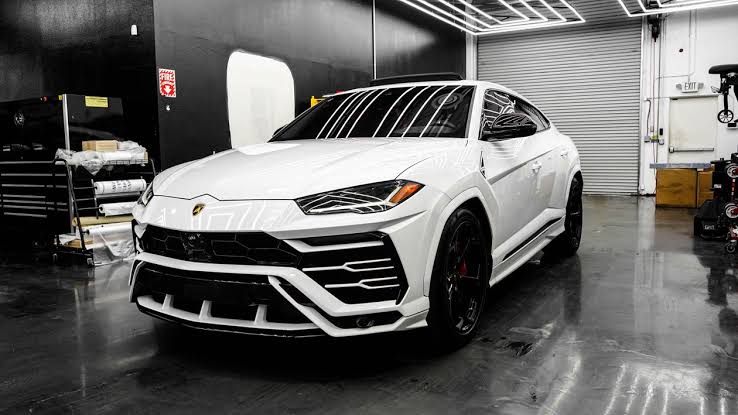
Finding the best Lamborghini garage in Al Quoz is not the same as finding a normal car workshop. A Lamborghini needs special tools, genuine parts, and a mechanic who works on these cars every day. If you pick the wrong garage, small mistakes can turn into very expensive repairs later. This guide explains what to look for when you choose a Lamborghini garage in Al Quoz, Dubai. It covers the tools a real Lamborghini specialist must have, what each model needs, how much service costs, and the questions you should ask before you book. What Makes a Good Lamborghini Garage in Al Quoz A good Lamborghini garage in Dubai should have three things: the right diagnostic tools, technicians with real Lamborghini experience, and genuine or approved parts. Many garages say they can service supercars, but only a few can actually do the work correctly. When you look for a Lamborghini service center in Al Quoz, check that the workshop: Uses factory-level diagnostic software, not just a basic scanner Works on Lamborghini models regularly, not once in a while Fits genuine Lamborghini or approved OEM parts Gives you a clear, written price before starting Stamps and records your service history If a garage cannot offer these, keep looking. Check the Diagnostic Tools Before You Book The most important thing to check is the diagnostic equipment. Lamborghini is part of the Volkswagen and Audi Group, so a real Lamborghini specialist uses the ODIS factory system (Offboard Diagnostic Information System) with Lamborghini software. A basic OBD scanner can only read a check-engine light. It cannot code new parts, adapt the clutch, or calibrate the driver-assist systems on the Urus. A workshop with proper ODIS diagnostics can read every part of the car, program new components, and fix the actual problem instead of guessing. So before you book, ask one simple question: “What diagnostic system do you use for Lamborghini?” If the answer is not factory-level software, that garage is not a true Lamborghini specialist. Make Sure They Know Your Lamborghini Model Every Lamborghini is different, and a good garage knows the difference. Ask the workshop about your exact model. A real Lamborghini specialist in Al Quoz will explain the gearbox and clutch repair needs of your car without checking a manual. Lamborghini Huracan Service The Huracan has a 5.2-litre V10 engine and a 7-speed dual-clutch gearbox (LDF). It needs correct engine servicing, coolant checks, dual-clutch care, and wheel alignment for its wide tyres. The front lift system also needs regular checks. Lamborghini Aventador Service The Aventador has a 6.5-litre V12 engine and a single-clutch ISR gearbox. The clutch is a wear part, and the shifts feel firm at low speed by design. The car has a carbon-fibre body, so any repair must be done by someone who understands carbon fibre. Lamborghini Urus Service The Urus has a 4.0-litre twin-turbo V8, an 8-speed automatic gearbox, and air suspension. Dubai’s heat is hard on the turbos, cooling system, and AC system. The Urus is used as a daily car, so it needs more regular servicing than the supercars. Lamborghini Gallardo Service The Gallardo has a V10 engine with an e-gear or manual gearbox. The e-gear clutch wears over time and needs proper adaptation with the right software. Parts for older Gallardos also need a garage with good supplier links. Ask About Genuine Lamborghini Parts Parts matter more on a Lamborghini than on a normal car. Cheap aftermarket parts can fail early or damage other parts, and they lower the value of your car when you sell it. A good Lamborghini workshop uses genuine Lamborghini parts or approved OEM parts, especially for the clutch, brakes, and cooling system. The carbon-ceramic brakes on most Lamborghinis are expensive, so they must be handled correctly with the right pads. Always ask what grade of parts the garage will fit, and ask to see the old parts they remove. Lamborghini Service Cost in Dubai: What to Expect Lamborghini service in Dubai costs more than a normal car because of genuine parts, skilled labour, and diagnostic time. The main costs to plan for are: Annual service: Even low-mileage cars need a yearly oil change and service, because oil and fluids get old over time, not just with distance. Clutch replacement: On the Gallardo and Aventador, the clutch is a wear part and one of the bigger costs. A good garage can measure how much clutch life is left during a service. Carbon-ceramic brakes: These last a long time but are expensive to replace, so correct use matters. AC and cooling: Dubai heat is hard on these systems, so regular checks save money. Ask for a written quote that shows parts, labour, and diagnostics separately. Be careful with any price that is much lower than other garages, because on a Lamborghini this usually means cheap parts or skipped work. Why Al Quoz Is the Best Area for Lamborghini Repair in Dubai Al Quoz is the main area for luxury and supercar garages in Dubai. It is close to Sheikh Zayed Road and has the highest number of specialist workshops, parts suppliers, and detailing shops in the city. This means faster parts, more experience, and short recovery distances if your car cannot be driven. A real luxury car garage in Al Quoz will have a valid RTA and DED trade licence and a fixed address. Many Al Quoz specialists also repair other brands like Ferrari and McLaren, so you can check the full list of car brands they service to see how much supercar experience they have. Questions to Ask a Lamborghini Garage Before you book your Lamborghini service, ask these questions: Do you use ODIS factory diagnostics for Lamborghini? Have you done clutch replacement and adaptation on my model? Do you use genuine Lamborghini or OEM parts? Can you handle carbon-ceramic brakes and carbon-fibre repair? Do you give a written quote before starting? Do you stamp my service history? Do you offer free pickup and delivery in Dubai? A real specialist
How to Choose the Best European Car Garage in Dubai (2026 Owner’s Guide)
Choosing the best European car garage in Dubai is a bigger decision than most owners realise — and a more expensive one to get wrong. A BMW, Mercedes-Benz, Audi, Porsche, or Range Rover is not just a car with a premium badge; it is a network of proprietary control modules, coded components, and precision-engineered systems that a general workshop simply cannot read, let alone repair correctly. Add Dubai’s 50°C summers, fine desert dust, and stop-start Sheikh Zayed Road traffic, and the margin for a wrong diagnosis shrinks fast. This guide walks you through exactly how to choose a European car repair garage in Dubai that can actually service your vehicle to manufacturer standard — covering the diagnostic tools that separate a real specialist from a pretender, the dealership-versus-independent question, the warranty myth that costs owners thousands, and the questions to ask before you ever hand over the keys. Why European Cars Need a Specialist Garage, Not Just Any Workshop The phrase “we fix all cars” is the first warning sign. European luxury vehicles differ from mass-market models in ways that directly affect who should touch them: Coded, not just bolted. On modern German cars, replacing a battery, brake pad sensor, or headlight often requires the new part to be coded to the vehicle’s software. Skip the coding and you get fault lights, disabled features, or a car that won’t recognise its own components. Brand-locked electronics. Each manufacturer runs a closed diagnostic ecosystem. Generic OBD scanners read basic engine codes but cannot access the deeper chassis, comfort, and safety modules where luxury faults actually live. ADAS and driver-assist calibration. Adaptive cruise, lane-keep, and parking sensors rely on cameras and radar that must be recalibrated after a windscreen change, suspension work, or front-end repair. A garage without calibration capability leaves those systems unsafe. Tighter tolerances. Turbocharged engine work, air suspension, dual-clutch gearboxes, and carbon-ceramic brakes leave far less room for “close enough” work than a standard commuter car. A dedicated European car specialist in Dubai is built around these realities. A general garage is not — no matter how confident the counter staff sound. Dealership vs Independent European Car Specialist: Which Is Right for You? This is the choice most owners agonise over, so let’s make it clear. Both have a place; the right answer depends mostly on your car’s age and warranty status. Factor Authorised Dealership Independent European Specialist Labour cost Highest Typically 20–40% lower for equivalent work Diagnostic tools Factory tools, always current Factory-level tools if the garage has invested in them Parts Genuine only Genuine, OES, or quality OEM (your choice) Best for Cars under manufacturer warranty Cars out of warranty, or owners wanting value + personal service Booking & turnaround Often slower, appointment-heavy Usually faster and more flexible Personal relationship Rotating service advisors Often the same technician every visit Rule of thumb: while the car is under its manufacturer warranty, staying with the dealer (or an independent that uses genuine/OES parts and documents everything) is the safe play. Once the warranty expires, a reputable independent European car garage in Dubai usually delivers the same technical quality at a materially lower price. Does Servicing at an Independent Garage Void My Warranty in the UAE? Short answer: not automatically — but how the work is done matters. A manufacturer generally cannot void your entire warranty simply because you serviced elsewhere. What can jeopardise a specific warranty claim is using non-approved parts or improper procedures that then cause a failure. If a non-genuine part fails and damages a related component, the manufacturer may decline that claim. To stay protected during the warranty period, choose a garage that: Uses genuine or OES (Original Equipment Supplier) parts, not cheap aftermarket substitutes. Follows the manufacturer’s service schedule and fluid specifications exactly. Documents and stamps your service history with dates, mileage, parts, and part numbers. That documented service record does double duty: it protects your warranty and it protects your resale value, because a fully stamped European service history is one of the first things a serious buyer checks. This is general information, not legal advice — warranty terms vary by manufacturer and specific policy, so confirm the wording of your own warranty booklet. The Diagnostic Tools a Real European Car Specialist Must Have This is the fastest way to tell a genuine specialist from a workshop that just happens to accept luxury cars. Ask which factory-level diagnostic system they run for your brand. The right answer sounds like this: Mercedes-Benz → XENTRY (the current factory platform, successor to DAS / STAR Diagnosis) BMW, MINI, Rolls-Royce → ISTA (ISTA/D for diagnosis, ISTA/P for programming and coding) Audi, Volkswagen, Bentley, Lamborghini → ODIS (Offboard Diagnostic Information System) Porsche → PIWIS (Porsche Integrated Workshop Information System, currently PIWIS III/IV) Land Rover, Range Rover, Jaguar → JLR Pathfinder / SDD with Topix online access A garage that can only offer a generic handheld scanner can read a check-engine light but cannot properly code a module, program a key, run guided fault-finding, or recalibrate ADAS. For a luxury European car, that is the difference between a real repair and a guess. If the person at the desk cannot name the system for your brand, keep looking. Genuine vs OEM vs OES vs Aftermarket Parts: What European Cars Actually Need Part quality is where hidden savings quietly become future breakdowns. Here is what the terminology really means: Part Type What It Is When It Makes Sense Genuine Branded and boxed by the manufacturer Warranty-period cars; concours and resale-sensitive vehicles OES (Original Equipment Supplier) Made by the same supplier as the factory part, without the badge The value sweet spot — factory quality, lower price OEM-quality Reputable aftermarket built to original spec Acceptable for many wear items on out-of-warranty cars Generic aftermarket Cheapest, variable quality Best avoided on luxury European vehicles A trustworthy garage will tell you which grade it is fitting and let you choose. A garage that quietly fits the cheapest aftermarket part while charging genuine prices is
How to Choose the Best Garage for Your Rolls-Royce in Al Quoz, Dubai
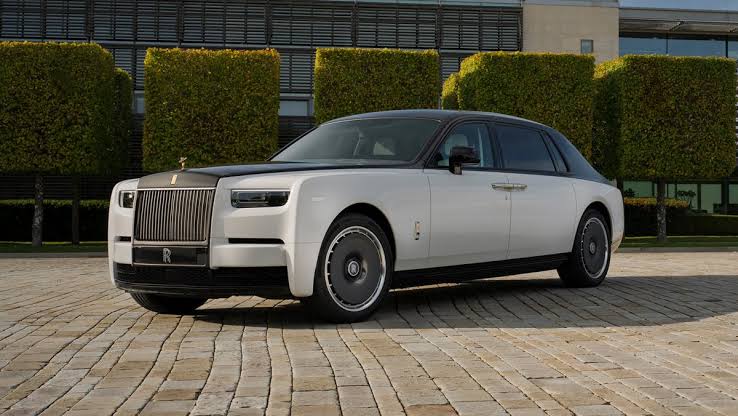
A wrong workshop on a Ghost, Phantom or Cullinan doesn’t save money — it defers problems. This guide walks through exactly how to separate a real Rolls-Royce specialist in Al Quoz from a general garage wearing the badge. Dubai has one of the highest concentrations of Rolls-Royce vehicles per capita in the world, and most of the independent specialists that service them sit inside a few square kilometres of Al Quoz. That’s good news and a trap at the same time: the right workshop is genuinely a short drive away, but so are dozens of general garages that list “Rolls-Royce” on a brand menu next to forty other makes. Choosing well is a technical decision, not a branding one — and this guide gives you the criteria, the questions, the checklist and the warning signs to make it confidently. What this guide covers Why Al Quoz — and dealer vs independent What a real specialist must have Model-specific expertise to look for The 8-point selection checklist Questions to ask before you hand over the keys Red flags of the wrong garage Warranty, insurance & resale What fair Rolls-Royce service costs in Dubai Frequently asked questions Why Al Quoz Is Where Rolls-Royce Owners Service Their Cars Al Quoz became Dubai’s luxury-repair district for practical reasons: large industrial plots, direct access off Sheikh Zayed Road, and a decade of specialist workshops setting up next to one another so that parts suppliers, paint booths, upholstery trimmers and diagnostic specialists all sit within minutes of each other. For a car as bespoke as a Rolls-Royce — where a job can touch the powertrain, the air suspension, hand-finished veneer and a commission paint colour in a single visit — that density matters. The Al Quoz specialist cluster — where to actually look The independent luxury and exotic workshops concentrate across Al Quoz Industrial Areas 1 through 4, threaded off Al Asayel Street and the service roads behind Sheikh Zayed Road. Being inside this cluster is a mild positive signal — it usually means proximity to genuine parts channels and specialist sub-trades. But an Al Quoz address alone proves nothing. The question is never “is it in Al Quoz,” it’s “is it a Rolls-Royce specialist that happens to be in Al Quoz, or a general garage that happens to accept Rolls-Royces.” Independent Rolls-Royce specialist vs the official dealer — the real cost gap Once your car is out of manufacturer warranty — typically three years on standard models — where you service it becomes a genuine decision rather than a default. The official dealer network is excellent for warranty work and the purchase experience, but the out-of-warranty cost structure is significant, because the invoice carries the showroom, the brand-experience infrastructure and the manufacturer relationship. A properly equipped independent in Al Quoz carries none of that overhead. The difference shows up on the job card, not in the technical outcome. The number that matters: for out-of-warranty vehicles, a properly equipped independent Rolls-Royce specialist in Al Quoz typically saves 40–55% on major service versus the official dealer — with the same specification oil, the same OEM-grade parts and the same procedures. The saving is overhead, not corners. That said, “cheaper” is only the right answer when the technical standard is genuinely equivalent. A workshop that discounts a Cullinan service by skipping the air-suspension pressure test or fitting the wrong transmission fluid isn’t saving you money — it’s selling you a future repair. Which is exactly why the next section matters more than price. What a Genuine Rolls-Royce Specialist Must Have — and How to Verify It These are the non-negotiable capabilities. For each one, there’s a way to check it yourself rather than take a website’s word for it. BMW Group diagnostic capability (ISTA) Every Rolls-Royce from the Ghost generation onward is built on a BMW Group platform. The Ghost and Wraith share the BMW 7 Series platform, the Cullinan is derived from the BMW X7, and the Dawn shares architecture with the 6 Series. That means the underlying electronic architecture — the control-unit network, the bus systems, the coding requirements — is BMW Group underneath the bespoke Rolls-Royce layer. Proper diagnosis needs ISTA or a high-grade BMW-compatible system that talks to the full network: engine management, the ZF transmission, the air suspension, active roll stabilisation and the driver-assistance modules. A generic OBD scanner reads basic engine codes and nothing that makes these cars what they are. Verify it: ask directly what diagnostic system they use on Rolls-Royce, and ask to see it. Rolls-Royce Spirit diagnostic access for bespoke systems Above the BMW base platform, Rolls-Royce runs its own Spirit diagnostic system for marque-specific functions — self-levelling headlights, the whisper-close doors, bespoke climate systems and other features unique to the brand. A serious workshop either has Spirit access or works with a diagnostic partner that does. Verify it: ask how they handle a fault in a Spirit-governed system, such as a door soft-close or a headlight-levelling fault. A specialist names the system; a general garage improvises. Air suspension testing — the right tools, not a visual glance Rolls-Royce air suspension with self-levelling is one of the first systems to suffer in Dubai’s heat, because daily thermal cycling ages the air-spring membranes faster than European conditions ever demanded. A competent inspection includes an air-spring pressure-retention test and a compressor health check — not a visual look and a bounce test. Catching a slow spring leak early costs a fraction of the compressor replacement that follows when the compressor overworks to compensate. Our guide to Rolls-Royce suspension repair in Dubai — costs, symptoms and fixes covers what those failures typically run. Verify it: ask whether air-suspension pressure testing is part of every service. It should be. Genuine and OEM parts sourcing you can confirm in writing On a car where a single component can be a five-figure item, parts provenance is not a detail. Insist on genuine Rolls-Royce or manufacturer-approved OEM parts, and ask for it in writing on
Best Car Battery Brands for Rolls-Royce in Dubai: The Complete 2026 Owner’s Guide
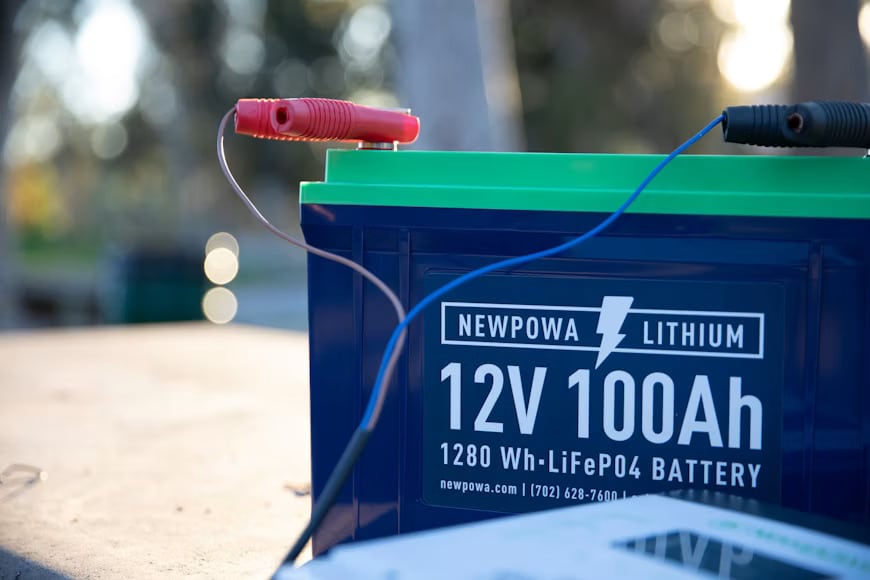
Choosing the best car battery brand for a Rolls-Royce in Dubai is not the same decision as picking a battery for an ordinary sedan. Every modern Rolls-Royce — Phantom, Ghost, Wraith, Dawn, Cullinan and Spectre — is built on BMW Group electrical architecture that demands a high-capacity AGM (Absorbent Glass Mat) battery, typically 90Ah–105Ah with 850–950 cold cranking amps. Fit a cheap flooded battery and you will face flickering iDrive screens, air suspension warnings, disabled start-stop, and module fault codes within weeks — especially under Dubai’s 45°C+ summer heat, where under-bonnet temperatures can exceed 65°C. In this guide, the luxury car battery specialists at Carzilla’s Rolls-Royce workshop in Al Quoz, Dubai compare the top Rolls-Royce compatible battery brands available in the UAE, explain Rolls-Royce battery replacement cost in Dubai (AED), model-specific battery specifications, and why battery registration and coding is non-negotiable for these vehicles. Why Rolls-Royce Battery Selection in Dubai Is Different Three factors make Rolls-Royce battery replacement in Dubai a specialist job rather than a roadside swap: 1. AGM-Only Electrical Architecture Rolls-Royce vehicles run dozens of control modules — air suspension, soft-close doors, starlight headliner, night vision, adaptive cruise — that draw current even when parked. Only a Rolls-Royce approved AGM battery can handle this deep-cycle load and recover cleanly. Flooded lead-acid batteries, even from reputable brands, are the wrong chemistry for these cars. 2. Dubai Heat Cuts AGM Battery Lifespan to 2–3 Years In moderate climates a quality AGM battery lasts 4–6 years. In Dubai’s extreme heat, accelerated electrolyte degradation and plate corrosion shorten Rolls-Royce battery life in the UAE to roughly 24–36 months. If your battery is past its second summer, proactive replacement is cheaper than a valet-lane breakdown. 3. Battery Registration & Coding Is Mandatory After installation, the new battery must be registered to the vehicle using factory-level diagnostic software. This resets the intelligent battery sensor (IBS) charging strategy. Skip this step and the car keeps charging as if the old, degraded battery were still fitted — overcharging the new unit and killing it prematurely. This is why generic battery delivery services frequently cause repeat failures on Rolls-Royce models. Carzilla performs full Rolls-Royce computer diagnostics in Dubai with every battery installation. Top 5 Car Battery Brands for Rolls-Royce in Dubai (Ranked) 1. Original Rolls-Royce / BMW Group AGM Battery — Best OEM Choice The factory-fitted unit (BMW Group part, e.g. 90Ah–105Ah AGM) remains the gold standard for owners who want exact OEM specification, guaranteed IBS compatibility and dealer-grade fitment. It is the most expensive option, but for a Phantom or Cullinan still under warranty considerations, the genuine Rolls-Royce AGM battery price in Dubai is justified by zero compatibility risk. Best for: Phantom, Cullinan, newer Ghost. Typical Dubai price: AED 1,800–3,200 installed. Warranty: 24 months. 2. Varta Silver Dynamic AGM — Best Overall Value for Rolls-Royce Varta (Clarios) is the leading OEM battery supplier to European luxury manufacturers, and its Silver Dynamic AGM range (95Ah / 850 CCA and 105Ah / 950 CCA) matches Rolls-Royce specification precisely. PowerFrame grid technology gives it excellent heat resistance — a decisive advantage for a heat-resistant AGM battery in Dubai. For most Ghost, Wraith and Dawn owners, this is our recommended fitment. Best for: Ghost, Wraith, Dawn, Cullinan. Typical Dubai price: AED 1,100–1,700 installed. Warranty: 18–24 months. 3. Bosch S6 / AGM Range — Best German Alternative Bosch AGM batteries use calcium-silver alloy plates that reduce water loss and extend service life in high ambient temperatures. Widely stocked across the UAE, they offer strong cold cranking performance for the V12 engines in the Ghost and Wraith and reliable voltage stability for start-stop systems. Best for: Ghost, Wraith, older Phantom (Series I/II). Typical Dubai price: AED 1,000–1,500 installed. Warranty: 18–24 months. 4. Exide AGM / Micro-Hybrid Range — Best Mid-Budget Option Exide’s AGM line delivers correct chemistry and adequate capacity at a lower price point. Lifespan under Dubai heat trends slightly shorter than Varta or Bosch, but for older Rolls-Royce models out of warranty it is a sensible, widely available choice. Best for: Phantom Series I, Drophead Coupé, budget-conscious owners. Typical Dubai price: AED 850–1,300 installed. Warranty: 12–18 months. 5. ACDelco AGM — Best for Auxiliary Battery Replacement Several Rolls-Royce models carry an auxiliary (secondary) battery supporting the start-stop and backup systems. ACDelco’s AGM auxiliary range (Group 48/49) is a proven, competitively priced solution when the auxiliary unit fails — a fault often misdiagnosed as a main battery problem. Best for: Auxiliary battery replacement across models. Typical Dubai price: AED 450–800 installed. A note on Amaron, Solite and other popular UAE brands: these are excellent flooded batteries for everyday cars, but they do not offer Rolls-Royce specification AGM units in the required capacity class. Any list recommending them for a Rolls-Royce should be treated with caution. Rolls-Royce Battery Specifications by Model (Dubai Reference Table) Model Battery Type Capacity (Ah) CCA (approx.) Auxiliary Battery Phantom (VII & VIII) AGM 105Ah 950 Yes (select years) Ghost (2010–2019) AGM 95Ah 850–900 Yes Ghost (2020+) AGM 105Ah 950 Yes Wraith AGM 95–105Ah 850–950 Yes Dawn AGM 95–105Ah 850–950 Yes Cullinan AGM 105Ah 950 Yes Spectre (EV) 12V AGM/Li (low-voltage system) Model-specific — HV traction battery separate Always confirm the exact part specification against your VIN before purchase — capacities vary by production year and options. Carzilla verifies this free of charge during our Rolls-Royce service in Dubai. Rolls-Royce Battery Replacement Cost in Dubai (2026) Expect the following all-in ranges, including supply, installation, registration/coding and old battery disposal: Option Price Range (AED) Best Suited To Genuine Rolls-Royce/BMW AGM 1,800–3,200 Newer Phantom, Cullinan, Ghost Varta Silver Dynamic AGM 1,100–1,700 Most models — best value Bosch AGM 1,000–1,500 Ghost, Wraith, older Phantom Exide AGM 850–1,300 Out-of-warranty older models Auxiliary battery (ACDelco AGM) 450–800 All models with secondary battery Dealer pricing for the same job can run 40–70% higher. An independent Rolls-Royce specialist workshop in Al Quoz with factory-level diagnostic equipment delivers the same registration and coding standard at a significantly lower cost. 7 Signs Your Rolls-Royce Battery Is
Rolls Royce Suspension Repair in Dubai: Costs, Symptoms & Fixes (2026 Guide)
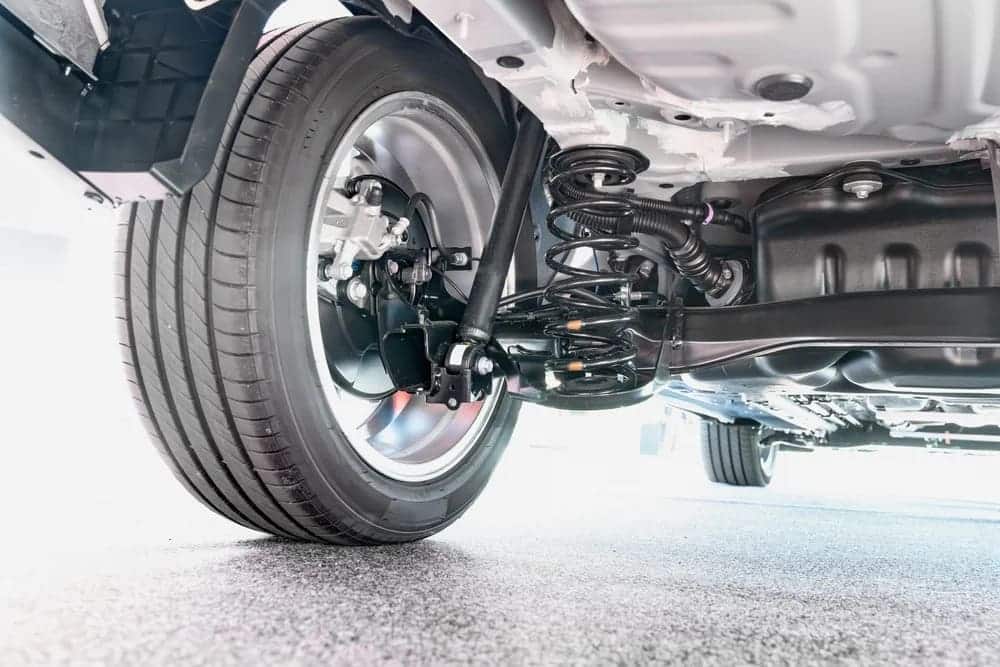
This guide explains exactly how Rolls-Royce suspension repair in Dubai works, how to recognise a failing system early, what each repair costs in AED, and how to keep the ride flawless in UAE conditions. It’s part of our wider Rolls-Royce repair in Dubai service, backed by our dedicated car suspension repair workshop. How Rolls-Royce Suspension Works: Air Springs, EDC & the Planar System Before you can understand a repair, it helps to know what you’re actually repairing. A Rolls-Royce doesn’t use conventional steel coil springs and passive dampers. Instead it runs a self-levelling air suspension system paired with Electronic Damper Control (EDC) that adjusts firmness in real time. On the newest models, that’s evolved into the Planar suspension system, which blends pneumatic and hydraulic technology to isolate the cabin from the road almost completely. Air suspension vs Planar suspension — what’s in your model The distinction matters for both diagnosis and cost. Older Ghost, Wraith, Dawn and Phantom VII models rely on air springs with adaptive damping. The current Ghost (2021 onward), Cullinan and Phantom VIII use the Planar system, which adds hydraulically controlled roll stabilisers and a “Flagbearer” camera that reads the road ahead and pre-loads the suspension. A workshop that treats every Rolls-Royce as a generic air-suspension car will misdiagnose a Planar fault — which is why we handle it as part of specialist Rolls-Royce service in Dubai rather than general repair. The air side. Air spring struts (one per corner), an air compressor, an air dryer, a valve block that routes air, ride-height sensors, and the air lines connecting them all. The electronic & hydraulic side. EDC adaptive dampers, the suspension control module, hydraulic roll-stabiliser units (Planar), and the height/acceleration sensors that feed the system. Why the “Magic Carpet Ride” depends on more than springs The signature Rolls-Royce ride quality is a software-and-sensor achievement as much as a mechanical one. Ride height, damping firmness and roll control are recalculated continuously. That’s why calibration after any repair is non-negotiable: replace a strut or sensor without recalibrating and the car will sit at the wrong height or ride harshly, even with brand-new parts fitted. The same principle applies to related systems like steering repair and recalibration, where factory-software alignment is essential after any component change. Why Rolls-Royce Air Suspension Fails Faster in Dubai’s Climate Rolls-Royce suspension components are engineered for comfort, not for 50°C tarmac and desert dust. In the UAE, four environmental factors dramatically shorten the life of air springs, seals and sensors — which is why Dubai owners see suspension faults far earlier than owners in cooler climates. Extreme heat. Sustained high temperatures make the rubber air-spring bladders and valve seals brittle, causing the heat-related cracks that lead to overnight air leaks and one-sided sagging. The same heat stress is behind faster car battery drain in the UAE summer and heavier load on the AC system. Sand & fine dust. Airborne sand infiltrates bushings, ball joints and air-spring folds, accelerating wear and interfering with the electronic height sensors that govern ride level. Humidity & moisture. Coastal humidity promotes corrosion on control arms, mounts and stabiliser links, and moisture reaching electrical connectors can trigger erratic air-suspension behaviour. Speed bumps & rough roads. Repeated hard impacts from aggressive speed bumps and construction-zone roads overload the compressor and stress the air struts far more than smooth highway driving. Local insight: This is why the standard “inspect at high mileage” advice doesn’t fit the UAE. In Dubai, time and heat cause more damage than distance — a low-mileage Rolls-Royce that sits in the summer sun can still develop air-spring leaks. 8 Warning Signs Your Rolls-Royce Needs Suspension Repair Rolls-Royce suspension faults usually start subtly and worsen fast. Catching them early can be the difference between a single-strut repair and a compressor-and-valve-block bill. Watch for these symptoms: One corner sits lower after parking — the classic sign of an air-spring or strut leak; air escapes overnight and the car sags on one side until it re-levels. Suspension warning light — a dashboard warning or “suspension fault” message means the module has detected a pressure, height or damper irregularity. Don’t ignore it. Harsh or bouncy ride — if the car crashes over bumps or keeps bouncing after them, the adaptive dampers or air springs are no longer working correctly. Compressor running constantly — a compressor that runs on and on is fighting a leak somewhere in the system, and running it to failure is expensive. Slow to rise on start-up — a car that takes a long time to lift to ride height points to a weak compressor or clogged air dryer. Leaning or swaying in corners — excess body roll suggests failing dampers or, on Planar cars, a hydraulic roll-stabiliser fault. Knocking or clunking noises — clunks over bumps often mean worn bushings, ball joints, control arms or top mounts. Uneven or premature tyre wear — suspension that’s misaligned or worn wears tyres unevenly. If you’re already seeing it, pair the repair with wheel alignment and tyre service to protect the new set. Rolls-Royce Suspension Problems by Model Each Rolls-Royce model has its own suspension character and its own common failure points. Here’s what our Dubai workshop sees most often, model by model. Rolls-Royce Ghost suspension repair The Ghost is the most common Rolls-Royce on Dubai roads and the one we see most for air-spring leaks. Pre-2021 Ghosts run air suspension with adaptive damping; the 2021-onward Ghost uses the Planar system with its road-scanning camera. Front-left strut leaks and height-sensor faults are the typical Ghost complaints in UAE heat. Rolls-Royce Phantom suspension repair The Phantom’s larger, heavier body places more load on its air struts and compressor. Phantom VIII owners should watch for slow rise, overnight sag and compressor fatigue — heat accelerates bladder wear on this flagship more than any other model, so monthly summer checks pay off. Rolls-Royce Cullinan suspension repair As an SUV driven on a wider mix of roads, the Cullinan’s Planar suspension takes a beating from
Best Time to Check Your Car’s AC in Dubai: Month-by-Month Guide (2026)

Quick answer: The best time to check your car’s AC in Dubai is March to April, before the summer heat peaks and workshop queues build up. At this point a routine inspection takes just a day or two to book, whereas by June the same service can mean a week’s wait. For the reading itself, test your AC in the early afternoon (1–4 PM) after the car has been parked in the sun — that’s when a weak system reveals its faults most clearly. In this guide The best month to check your car AC in Dubai Month-by-month car AC servicing calendar Best timing by driver type (commuter, weekend, used-car buyer) Best time of day to test your car’s AC performance Warning signs your car AC needs an immediate check How often should you service car AC in the UAE? Car AC check & service cost in Dubai (2026) What a proper pre-summer AC inspection includes Related summer car-care reading Frequently asked questions The Best Month to Check Your Car’s AC in Dubai If you take one thing from this guide, make it this: book your car AC inspection between March and April. Dubai’s climate follows a predictable curve, and so does the demand at every auto workshop in the city. The window before the heat arrives is when you get the fastest appointment, the calmest technician, and the cheapest fix — because a small problem caught in spring is still a small problem. The reason is simple maths on both temperature and demand. From May through October your air conditioning runs almost continuously, often against outside temperatures above 45°C. Any weakness already present in the system — a slow refrigerant leak, a tired compressor, a clogged cabin filter — gets pushed to breaking point exactly when you can least afford it. Booking a professional car AC repair in Dubai before that load hits means you find the fault while it’s still a top-up and not a compressor replacement. There’s a queue factor too. In April, booking a pre-summer AC check in Dubai typically means a wait of just a day or two. By June, lead times stretch to a week or more as emergency call-outs pile up and every driver in the city discovers their AC problem at the same moment. Beating the rush is half the value of getting the timing right. Why not just wait until it breaks? Because in Dubai’s heat, refrigerant permeates out of hoses and seals faster than in temperate climates — most cars show measurable refrigerant loss within 12 to 18 months. A system that cooled fine last September can be noticeably weaker by the following May. A spring check catches that drop before it strands you in July traffic. For the habits that keep cooling strong between checks, see our guide to car AC maintenance in Dubai. Month-by-Month Car AC Servicing Calendar for Dubai Not every month is equal for AC work in the UAE. This calendar shows the ideal timing for a full car air conditioning check versus a quick performance test, and when to simply avoid the workshops. Period What to do Booking wait Verdict March–April Full pre-summer AC inspection: refrigerant, compressor, cabin filter, condenser, cooling fans 1–2 days Best time May Full service still worthwhile, but book ahead — workshops are filling fast 3–5 days Good, act fast June–August Quick performance check & cabin filter clean only; full service means long waits 1–2 weeks Peak rush September Mid-season catch-up check if cooling dropped over summer 3–5 days Situational October–November Post-summer service: catches wear built up over five hard months 2–4 days 2nd-best window December–February Light season. Run AC weekly; ideal for unhurried repairs flagged earlier Same day possible Low demand The two green windows — spring and autumn — bookend the summer for a reason. Spring prepares the system for the load; autumn repairs whatever the load exposed. If you can only manage one check a year in the UAE, make it the March–April pre-summer inspection. Best Timing by Driver Type: Commuter, Weekend Driver or Used-Car Buyer “Best time” also depends on how you actually use your car. Here’s how the ideal AC-check schedule shifts across the most common Dubai driving profiles. Daily commuters & ride-hail drivers If you’re on Sheikh Zayed Road two hours a day, your compressor logs far more running hours than average. Stick to the March–April check religiously, and add a quick mid-summer performance test in July. High-mileage AC systems in Dubai benefit from a cabin filter change roughly twice as often as the manufacturer’s manual suggests, because desert dust clogs filters faster — which is why our car service packages in Dubai bundle an AC filter change and gas top-up into every routine service. Weekend & occasional drivers A car that mostly sits still has its own problem: seals dry out and refrigerant escapes even without heavy use. If you drive only on weekends, still do the annual spring check, and make a habit of running the AC on full for ten minutes every week — it keeps the compressor seals lubricated and stops slow leaks turning into dead systems. Buying or selling a used car Timing here is event-driven, not seasonal. Always get an independent AC inspection before money changes hands — a pre-purchase car inspection in Dubai is one of the cheapest ways to avoid inheriting a AED 3,000+ compressor problem. A weak system in a listing photographed in winter can look perfectly fine until the first 45°C afternoon. Best Time of Day to Test Your Car’s AC Performance Most guides ignore this, but if you’re checking the AC yourself, when in the day you test it changes what you’ll notice. A borderline system can feel acceptable at 8 AM and struggle badly at 2 PM. Test in the early afternoon (1–4 PM)Park in direct sun for 20–30 minutes first, then run the AC. This is the hardest condition your system faces, so a weakness shows up immediately rather than hiding.