
Battery Draining Faster in Summer? How to Prevent Car Battery Drain in the UAE Summer Heat

If your car struggles to start on a hot morning, or the battery that was fine last winter suddenly feels weak, you’re seeing one of the most common UAE summer car problems. Most drivers assume cold weather kills batteries — but in the Gulf, it’s the heat that does the real damage. Summer temperatures regularly cross 45°C, and under the bonnet of a car parked in the sun it climbs far higher. This guide explains exactly why car batteries drain faster in summer in the UAE, the warning signs to watch for, and the practical steps that prevent a dead battery — plus the best battery type for hot weather and what a replacement actually costs in Dubai. Why UAE summers are so hard on car batteries The desert climate combines three battery killers at once — and most maintenance advice written for mild climates ignores all of them. 50°C — under-bonnet temperatures a parked car can reach in summer 2–3 yrs — typical UAE battery lifespan, vs 4–5 years in cooler countries 2× — how much faster extreme heat can wear a battery out Why Car Batteries Drain Faster in Summer in the UAE A car battery is a chemical system, and heat speeds those chemical reactions up. As a rule of thumb, every 10°C rise roughly doubles the rate of internal reaction — which sounds useful but actually accelerates wear, corrosion and self-discharge. Four things happen at once in UAE heat: Battery fluid evaporates faster. The electrolyte that the battery needs to hold a charge dries out, permanently reducing capacity. Internal corrosion speeds up. Heat corrodes the internal grid and plates, ageing the battery from the inside. Internal resistance rises. Hot components wear out quicker and the battery struggles to deliver and hold charge. AC load increases. Your air conditioning runs constantly, forcing the battery and alternator to work harder every trip. The result is a battery that self-discharges faster when parked, recharges less efficiently when driving, and reaches the end of its life far sooner than the manufacturer’s rating suggests. Signs Your Car Battery Is Weak in Summer Batteries usually warn you before they fail completely. Watch for these signs, especially heading into the hottest months: Slow engine cranking — the engine turns over sluggishly when you start the car. Dim headlights or dashboard lights, particularly at idle. Battery or check-engine warning light on the dashboard. Clicking sound when you turn the key, with no start. Swollen or bloated battery case — a clear sign of heat damage. Low electrolyte / fluid level on a visual check. Corrosion or white powder around the terminals. Battery is 2+ years old and the car is mostly parked outdoors. If you notice any of these, get a battery test before it strands you. A free car inspection at Carzilla includes a battery health check. How to Prevent Car Battery Drain in Summer in the UAE These are the habits and checks that protect your battery through a UAE summer. The first few you can do yourself; the rest are quick professional checks. 1. Park in Shade or Covered Parking Direct sun raises under-bonnet temperatures dramatically, accelerating fluid evaporation and corrosion. Park in covered or shaded parking whenever possible — it’s the single easiest way to extend battery life in UAE summers, and it eases the AC load too. 2. Turn Off Electronics When the Engine Is Off Running the AC, infotainment, lights or phone chargers with the engine off drains the battery quickly. In extreme heat that drain is even faster. Switch off all accessories before you shut the engine, and never leave headlights or interior lights on. 3. Drive Regularly and Avoid Very Short Trips The alternator recharges the battery while you drive — but only on longer runs. A string of short trips never lets the battery fully recharge, leaving it chronically undercharged. Combine errands into one longer drive, and don’t leave the car unused for long stretches. 4. Clean the Battery Terminals and Check for Corrosion Dirt and corrosion on the terminals act as a partial conductor and resistance point, draining charge and breaking the circuit. Clean the terminals with a gentle baking-soda-and-water solution and keep them dry. Clean connections allow proper current flow and help the battery last longer. 5. Secure the Battery to Reduce Vibration Damage Rough roads and off-road driving shake a loosely mounted battery, damaging the internal plates and shortening its life. Make sure the battery is tightly fastened in its tray, and ask your technician to check the mounting at every service. 6. Test the Battery Before Peak Summer The smartest preventive step: have the battery load-tested in May or June, before the worst heat arrives. A test measures cold-cranking amps and flags a weak battery early — replacing it on your terms is always cheaper and less stressful than an emergency roadside failure. 7. Limit AC Load at Idle Sitting in heavy Dubai or Sharjah traffic with the AC on maximum while barely moving puts sustained strain on the battery and alternator. Where you can, reduce the load at long idle, and keep your AC system serviced so it cools efficiently rather than overworking. Our car AC repair service keeps cooling load under control. 8. Don’t Leave Your Car Parked for Weeks A healthy car can usually sit for one to two weeks. Beyond that — especially in summer — the battery self-discharges and may go flat. If you’re travelling, use a battery maintainer, disconnect the negative terminal, or have someone start and drive the car every week or two. Car battery weak or dead in the heat? Free battery test, free diagnostics, written quote before any work — and free pickup anywhere in Dubai. Call 056 684 9665 or book online. Best Car Battery Type for Hot Weather in the UAE Not all batteries handle UAE heat equally. When it’s time to replace, the type matters more than the brand: Battery type Heat & vibration resistance Best for Standard flooded (SLI) Lowest — fluid evaporates fastest Budget option, frequent replacement EFB (Enhanced Flooded) Better than standard Start-stop cars, mid-range choice AGM (Absorbent
Car AC Maintenance in Dubai: Tips for Optimal Performance

Your car’s air conditioning is not a luxury in Dubai — it’s the system that makes driving possible. While owners in cooler countries switch the AC off for half the year, in the UAE it runs almost every day, often against ambient temperatures above 45°C. That constant load, combined with fine desert dust and post-sandstorm grit, wears an AC system far faster here than the manufacturer’s “average” intervals assume. This guide covers car AC maintenance the way it actually needs to be done in the Gulf — including realistic service intervals, gas refill timing, cabin filter changes for dusty conditions, and the cost of a proper AC service. For anything beyond routine care, our car AC repair service in Dubai handles gas refills, leak detection and compressor work for every brand. Why Dubai is harder on your car AC The desert climate puts your AC under stress that systems in temperate countries never see — which is exactly why local-specific maintenance matters. 50°C — peak summer ambient the AC must cool against 12 months — of near-daily AC use, not a 4-month season 5–10% — cooling performance lost per year without service How Your Car AC System Works Understanding the basics makes maintenance decisions easier. A car AC system moves heat out of the cabin using a refrigerant that cycles between liquid and gas: Compressor — driven by the engine belt, it pressurises the refrigerant and is the most expensive component to replace. Condenser — sits in front of the radiator and releases heat to the outside air; it clogs easily with dust and bugs. Evaporator — hidden behind the dashboard, it absorbs heat from the cabin and is where mould and odour develop. Cabin air filter — traps dust and pollen before air enters the cabin; the single most overlooked maintenance item. Refrigerant (AC gas) — the fluid that carries heat out of the cabin; low levels mean weak or no cooling. When any one of these is dirty, low, or worn, cooling efficiency drops — and in Dubai’s heat you feel it immediately. Car AC Maintenance Tips for Optimal Performance These are the maintenance habits and intervals that keep a car AC cooling at full strength in UAE conditions. The first few you can do yourself; the rest are quick professional checks. 1. Run the AC Regularly, Even in the Cooler Months Even on the few cool days Dubai gets, run your AC for 10–15 minutes at least once a week. This circulates refrigerant oil through the compressor seals, keeps them lubricated, and prevents them from drying out and cracking. A compressor that sits unused is far more likely to develop a refrigerant leak. 2. Replace the Cabin Air Filter Every 12 Months or 15,000 km This is the most important interval to shorten in Dubai. A dirty cabin air filter restricts airflow through the evaporator, cutting cooling efficiency by up to 20% and forcing the blower motor to work harder. Fine desert dust clogs filters far faster than the manufacturer’s standard 30,000 km guidance — so every 12 months or 15,000 km is the realistic interval here, and sooner if you drive often during sandstorm season. 3. Clean the AC Condenser After Dust and Sandstorms The condenser sits at the front of the car and collects dust, sand, bugs and road debris. In the UAE this is the single most common cause of weak cooling. At least twice a year — and after any major sandstorm — rinse the condenser fins gently with low-pressure water. Avoid pressure washers, which bend the delicate fins and make the problem worse. 4. Check and Refill the AC Gas (Refrigerant) Annually Refrigerant escapes slowly over time through seals and O-rings, and heat accelerates this. Have the AC pressure and gas level checked once a year. If cooling has weakened or you hear a hissing sound, there may be a leak — topping up gas without fixing the leak is a temporary fix that can damage the compressor. A proper AC gas refill in Dubai includes leak detection first. 5. Inspect the AC Compressor and Drive Belt The serpentine belt that drives the compressor should be inspected every six months. A worn or loose belt reduces AC performance and can fail completely. Listen for grinding or squealing when the AC switches on — both point to a compressor or clutch that needs attention before it fails in the heat. 6. Clean the Evaporator to Remove Odour and Mould The evaporator operates in a dark, damp space behind the dashboard — ideal for mould and bacteria, which cause that musty smell when you first start the car. A professional evaporator clean every one to two years restores air quality and cooling. Running the AC on fresh-air mode for a few minutes before switching off the engine helps dry the evaporator and reduce mould build-up. 7. Park in Shade and Pre-Cool the Cabin Whenever possible, park in covered or shaded parking so the cabin doesn’t reach oven temperatures. Before driving, open the windows for 30–60 seconds to flush out trapped hot air, then start the AC. This simple habit reduces the initial load on the compressor every single trip — meaningful when you do it twice a day, every day. 8. Service the AC Drain to Prevent Water Leaks Condensation from the AC drains out under the car through a small hose. In dusty conditions this drain can clog, causing water to pool in the passenger footwell instead. If you notice damp carpets or water inside the cabin, the AC drain likely needs clearing — a quick fix during a routine AC service. Signs Your Car AC Needs Repair in Dubai Don’t wait for the next scheduled service if you notice any of these. In Dubai’s heat, a small AC fault becomes an unbearable drive very quickly: Warm or weak air — the most obvious sign of low refrigerant or a failing compressor. Reduced airflow — usually a clogged cabin air filter or blocked vents. Bad or musty smell — mould on the evaporator or a dirty filter. Hissing or
Number Plate Price Check & Valuation Tool Free Online UAE | Carzilla Auto Service

Free · No Sign-Up · Instant Results UAE Number PlatePrice Check & Valuation Tool Free Online Want to know your Dubai plate number price before you buy or sell? Check number plate valuation using this vehicle number plate price check tool in seconds. Works for all 7 UAE emirates. No login, no fee — just enter your plate and get your estimate.. All 7 Emirates Single & Double Letter Codes 1–5 Digit Plates Lucky Number Detection Low / Mid / High Price Range DUBAI 🇦🇪 A · · · Select Emirate Dubai Abu Dhabi Sharjah Ajman Ras Al Khaimah Fujairah Umm Al Quwain Plate Code Plate Number (1–99999) Check My Plate Value → 100% free · no login needed · covers all UAE number plates Estimated Market Value LOW ESTIMATE MID ESTIMATE HIGH ESTIMATE Why this value? Need your car serviced before selling?A well-maintained car sells for more. Book with Carzilla UAE. View Services → ⚠ These are estimates based on RTA auction history and market data. Real prices vary. Always check with a licensed UAE plate broker before buying or selling. UAE Number Plate Market — Key Numbers All-Time RecordAED 55MPlate P7 · Dubai 2023 Double DigitAED 45K+Average asking price Lucky 7863× ValueSacred GCC number Code AA / BB+120%Vs mid-series codes RTA Transfer FeeAED 350Standard light vehicle EmiratesAll 7Covered in this tool What Is a Number Plate Valuation Tool and How Does It Work? A number plate valuation tool helps you find out how much your Dubai car number plate is worth without visiting a broker or waiting for an auction. You enter your plate details — the emirate, the code, and the number — and get an estimated market price right away. Our tool checks the same things a real buyer or broker would look at: how many digits the plate has, whether the number is lucky or has a special pattern, what the letter code is, and which emirate it is from. It then gives you a low, mid, and high estimate — so you know the realistic range before you buy or sell. The valuation data is based on RTA plate number auction results and real market sales. Before you transfer a plate, it is always a good idea to also do an RTA vehicle inspection to make sure the car has no outstanding issues that could affect the deal. How Much Is My Dubai Number Plate Worth? (Number Plate Price Check) The most important rule for Dubai number plate price is simple: fewer digits = higher price. A plate like A 1 or AA 7 can sell for millions. A standard 5-digit plate number Dubai might be worth just a few hundred dirhams. Here are the typical price ranges in 2025: Single digit (1–9) — from AED 800K up to AED 15M+. The rarest Dubai plates on the market. Double digit (10–99) — usually AED 45K to AED 400K. Always in demand. Triple digit (100–999) — typically AED 8K to AED 30K. Good value plates. 4-digit plates (1,000–9,999) — usually AED 2,500 to AED 5,000. 5-digit plates (10,000–99,999) — often AED 800 to AED 2,000. Most common number plates Dubai. Use the free number plate price check tool above to get your plate’s estimated value right now. If you are buying or selling a car along with the plate, you may also want to check our full car services in Dubai to get the vehicle in top shape first. What Are Double Letter Plates UAE? (AA, BB, CC and More) Dubai started with single letter codes — A, B, C — and as more cars were registered, the RTA plate number system introduced double letter codes: AA, BB, CC, DD, EE, FF, HH, II and MM. These are seen as special and limited, which makes them worth more than most single-letter codes. If you own a luxury car with a double-letter plate, it adds to both the car’s status and its resale value — especially if you use services like professional car detailing or car painting to keep it looking its best. The most popular double letter codes for Dubai number plates are AA and BB. A plate number Dubai like AA 9 or BB 777 can attract very high bids at auction. In 2024, a two-digit plate with a double-letter code sold for over AED 7 million. All Dubai codes in this tool: A–Z (single), AA, BB, CC, DD, EE, FF, HH, II, MM (double). Pick any from the dropdown above for an instant number plate valuation. What Types of Dubai Number Plates Are Considered Valuable? When buyers do a UAE number plate value check, they look for specific things that always make a Dubai car number plate more valuable. Our tool detects all of these automatically. 7 / 77 / 777Lucky 7 — the most wanted number in Dubai. Plate P7 sold for AED 55M in 2023. 8 / 88 / 888Lucky 8 — brings wealth and good luck. Very popular with buyers across the UAE. 786Sacred number in Islam. One of the most wanted Dubai plates across the GCC market. 1234 / 9876Sequential numbers — easy to remember, popular with collectors doing a plate check. 1111 / 9999Repeating digits — rare and eye-catching. Always gets strong bids at RTA auctions. 100 / 1000Round numbers — buyers pay extra. Clean numbers are easier to price and sell fast. Many people pair a premium plate with a well-maintained luxury car for maximum resale value. Our auto body shop and car painting service can help you get the car looking its best before you sell. How to Buy or Sell a Dubai Plate Number — Step by Step Buying and selling Dubai number plates is fully legal and is handled through the RTA plate number system. Both UAE nationals and residents with a valid visa can take part. 1Do a number plate price check firstUse our free tool above to get a price idea before you buy or sell. This helps you avoid paying
Salik Balance Check: By Mobile, Plate & Tag Number | Complete Guide 2026
🇦🇪 Dubai Toll Guide · Updated 2026 How to Check Salik Balance Online:Everything You Need to Know A complete, up-to-date guide to checking your Salik balance, recharging your account, understanding toll rates, and avoiding fines — covering every method available to Dubai drivers. Published by Carzilla Auto Service, Dubai’s trusted luxury car workshop in Al Quoz. Check Your Balance → How to Recharge Book Car Service AED 4–6 per gate crossing 10 active toll gates (2026) AED 50/day fine for low balance AED 24 daily cap Free 1:00 AM – 6:00 AM daily Overview What Is Salik and How Does It Work? Salik — Arabic for “open” or “clear” — is Dubai’s official electronic road toll system, operated by Salik Company PJSC (listed on the Dubai Financial Market since 2022) under the Roads and Transport Authority (RTA). Launched on 1 July 2007 with two gates, the network has since grown to 10 active toll gates across the city’s major corridors as of 2026. The system uses RFID technology: a small sticker tag on your windshield is read by overhead sensors as you pass a gate, and the toll is automatically deducted from your prepaid account — no stopping, no barriers, no cash. Salik also uses ANPR cameras as a backup to read licence plates if a tag is missing or unreadable. 💡 Every vehicle on Dubai’s tolled roads must have an active Salik tag linked to a prepaid account. Driving through a gate without a tag or with insufficient balance results in a fine. Before renewing vehicle registration, ensure all Salik arrears are cleared — Carzilla’s RTA Vehicle Inspection service can get your car fully road-compliant and inspection-ready. As of 2026, Salik manages over 2.8 million active accounts and processed over 197 million trips in Q1 2026. The dynamic pricing system introduced in January 2025 has already achieved a 9% reduction in peak-hour traffic on Sheikh Zayed Road — the system’s stated goal of shifting commuter behaviour is measurably working. Core Task How to Check Your Salik Balance There are six methods to check your balance — all confirmed via official Salik channels. All are free except SMS, which costs ~30 fils (operator charge, not a Salik fee). 🌐 Official Website Visit salik.ae → “Check Balance”. Works without login using your plate number and registered mobile. 📱 Smart Salik App iOS and Android. Real-time balance, 12-month trip history, and configurable low-balance alerts. 🚗 By Plate Number Guest login on salik.ae or the app — enter plate number + emirate code + OTP to view balance. 📲 By Mobile Number Enter your registered mobile + plate number on salik.ae. OTP sent to your phone — no account number needed. 🏷️ By Tag Number Use the numeric code printed on your windshield RFID sticker to log in and check balance on salik.ae. 📱 RTA / Dubai Drive App RTA Dubai app and Dubai Drive app both offer Salik balance under Transport Services. Supports UAE Pass login. 📞 Phone — 24/7 Call 800-SALIK (800-72545). Press 2 for English → 3 to log in → 1 for balance. Automated, always available. 💬 SMS to 5959 Text BAL from your registered number — account identified automatically. Or text plate number to 9393. 🏧 Self-Service Kiosk At Dubai Mall, Mall of the Emirates, Ibn Battuta Mall, and RTA Customer Happiness Centres. Step-by-Step: Checking on salik.ae Online 1 Go to www.salik.ae Open any browser. The site works on mobile and desktop. 2 Click “Check My Balance” Prominently placed on the homepage — no login required for the guest check. 3 Enter your plate number or account number For guest access: plate number + emirate + registered mobile. For full access: account number + PIN. 4 View balance and recent trips Current balance, recent trip deductions, and any pending violations appear immediately. Step-by-Step: Checking by Plate Number Ideal if you’ve forgotten your credentials or need to quickly check a second vehicle. 1 Open salik.ae or Smart Salik app Both support the no-login plate lookup. 2 Select “Check Balance Without Login” Guest access option on the homepage. 3 Enter plate number and emirate Example: Dubai — A 12345. Select emirate from the dropdown. 4 Verify via OTP A one-time code is sent to your registered mobile number. Enter it to see your balance instantly. Salik Balance Check by Mobile Number Your registered mobile number is the most convenient way to verify your identity without remembering an account number or PIN. This works across multiple channels simultaneously. 1 Visit salik.ae and click “Check My Balance” On the balance check screen, select the option to verify using your mobile number instead of account credentials. 2 Enter your UAE mobile number Type the mobile number registered to your Salik account (e.g. 05X XXX XXXX). This must be the exact number used at registration. 3 Enter your vehicle plate number Provide your plate number and emirate. The system cross-references your mobile with the linked vehicle. 4 Receive and enter the OTP A one-time code is sent to your mobile. Enter it to instantly view your current balance and recent trips. 💬 Via SMS: If your mobile is registered to your Salik account, simply text BAL to 5959 — no account number needed. The system identifies you by your registered number automatically and replies with your current balance. How to Check Salik Balance Without an Account Number Forgotten your account number? No problem — Salik offers multiple ways to check your balance without it. Your account number is only one of several identifiers the system accepts. → Use your plate number + registered mobile The most common no-login method. Go to salik.ae → “Check Balance Without Login”, enter your plate number, select your emirate, and verify via OTP to your registered mobile. No account number required at any step. → Use your Salik tag number The tag number printed on your windshield sticker can be used as an alternative identifier on salik.ae. See the tag number method below. → SMS from your registered
Is Your Car Legal? Car Modification Rules & RTA Fines Details in Dubai 2026
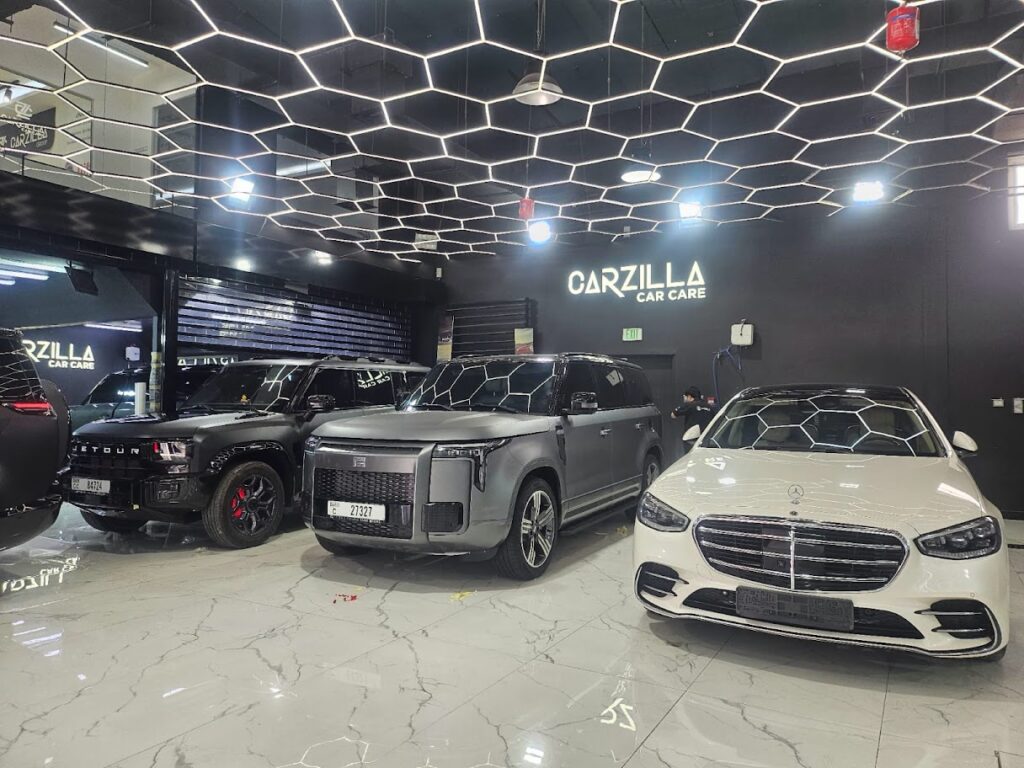
Planning to modify your car in Dubai? Learn what modifications are legal, what’s upgrades are banned, RTA approval steps, noise radar fines, and how to keep your vehicle road-legal in 2026. Dubai’s automotive culture is one of the most electrifying in the world — from roaring supercars on Sheikh Zayed Road to lifted 4x4s tearing through the Al Qudra dunes. But as we settle into 2026, one thing is clear: modifying your vehicle without understanding the law is more dangerous — and more expensive — than ever before. With AI-powered traffic cameras, automated noise radars, and stricter RTA enforcement now in full effect, illegal car modifications in Dubai are nearly impossible to hide. This guide covers everything you need to know — what’s allowed, what’s banned, the fines you risk, and exactly how to get your build legally certified. 1. The Golden Rule of Car Modifications in the UAE Before you order that aftermarket exhaust or carbon fibre body kit, understand the single most important principle underpinning all UAE traffic law: No major vehicle modification is legal on public roads without prior RTA approval — regardless of where the part was purchased. Many drivers mistakenly assume that if a performance part is sold in a UAE auto accessories shop, it is road-legal. This is incorrect. Retailers can legally stock and sell parts for off-road or track use. However, fitting those parts to a street-driven vehicle without a modification certificate constitutes a direct violation of Federal Traffic Law and the RTA’s vehicle roadworthiness standards. If the modification is not recorded on your Mulkiya (Vehicle Registration Card), you are driving a non-compliant vehicle — and in 2026, the enforcement systems to catch you are fully automated. 2. Role of the RTA and ESMA in Vehicle Modification Approval Two primary authorities govern car customisation and aftermarket upgrades in Dubai: ESMA — Emirates Authority for Standardization and Metrology Sets the technical safety benchmarks for aftermarket components used in the UAE. They certify which parts comply with national safety guidelines and environmental standards. RTA — Roads and Transport Authority Enforces ESMA standards on public roads and at annual registration testing centres (Tasjeel, Shamil, and Wasel). The RTA issues modification certificates upon successful inspection and updates vehicle registration records accordingly. Working with an ESMA-certified, RTA-approved workshop is not optional — it is the legal foundation of any legitimate build. An RTA vehicle inspection before your Mulkiya renewal is the most reliable way to confirm your vehicle is fully compliant before it matters most. 3. Legal Car Modifications in Dubai (2026) The good news: personalisation is permitted — within defined limits. Here is a full breakdown of approved car modifications under 2026 regulations. Window Tinting Rules in Dubai Tinted windows are a practical necessity in the Gulf climate, but limits are enforced strictly. Private vehicles: Maximum 50% Visual Light Transmission (VLT) on side and rear windows Front windshield: Must remain clear; a narrow sun strip (typically 4–6 inches) at the very top is permitted for glare reduction Company vehicles: 30% VLT permitted Prohibited: Reflective or mirror-finish tints that blind other road users Suspension Upgrades and Lift Kits Lowering kits are permitted provided minimum ground clearance (approximately 10–13 cm) is maintained and tyres do not contact wheel arches Lift kits (common on Jeep Wranglers, Nissan Patrols, and Land Cruisers) of up to approximately 2–3 inches are generally approved when installed by a certified garage and stability-tested by the RTA Extreme lifts require specialised engineering approval and are rarely granted for street-registered vehicles Any suspension change — whether a lift, lowering kit, or air suspension swap — should be followed immediately by a professional wheel alignment check. Skipping this step causes uneven tyre wear and unpredictable handling, both of which can trigger an inspection failure. A certified suspension repair and alignment service will set geometry to manufacturer spec after any suspension modification. For a deeper look at what happens when suspension issues go unaddressed, this guide on suspension problems in Dubai is worth reading before you start any lift or lowering work. Exterior Body Kits and Aerodynamic Modifications Aftermarket bumpers, side skirts, and diffusers are permitted if securely fastened, free of sharp edges, and professionally fitted Rear spoilers and wings are legal if they do not obstruct the driver’s rear-view sightline and do not extend significantly beyond the vehicle’s width Alloy wheels and rim upgrades are allowed, provided tyres do not protrude beyond fender flares For exotic and performance vehicles, carbon fibre and wide-body kit fitting by technicians who understand the specific tolerances of each platform makes the difference between a compliant build and one that fails on sharp edges or overhang measurements alone. Car Wrapping, Paint Changes, and Vinyl Decals Colour changes are legal but require a Colour Change Permit from the CID before work begins; your Mulkiya must be updated immediately after completion Commercial decals require a permit; personal stickers must not cover windows or display offensive content Vehicle wrapping follows the same colour change approval process Once you have the permit, the quality of the finish matters for more than aesthetics — a poorly applied wrap that peels at the edges or covers lighting elements can trigger an inspection flag. A professional car painting or respray service ensures colour accuracy, adhesion, and lighting clearance are all correct from the start. If you want to explore a colour temporarily before committing to a full respray, a peelable paint finish is fully reversible and keeps the underlying paint untouched. Interior Upgrades Custom seat covers, upholstery, dashboard restoration, and roof interior modifications are permitted provided they do not compromise airbags or other passive safety systems Infotainment upgrades and aftermarket steering wheels (certified airbag-compatible) are allowed Ambient LED lighting (mood lighting, star-ceiling kits) is permitted as long as it does not distract other road users or reduce visibility Exhaust System Modifications Aftermarket exhaust upgrades are conditionally permitted — the vehicle must remain at or below 95 decibels on public roads Variable-valve exhaust systems are tolerated only in their quietest
Free VIN Check UAE Online – Instant Vehicle Accident Report & History
UAE Government Database — Updated 2026 Free VIN Check UAE Instant Vehicle History Enter any 17-digit chassis number to instantly reveal accident history, ownership records, traffic fines, stolen status & full specs — sourced directly from official UAE authorities. Check VIN → Try: Toyota Land Cruiser Try: Nissan Patrol Try: BMW 5 Series 42,000+UAE buyers verified 84%Zero post-purchase issues AED 75B+UAE used car market 2026 6 EmiratesFull database coverage FreeBasic decode, always Vehicle History Reports What a VIN Check Reveals in the UAE A single 17-character code unlocks a vehicle’s complete story — from the assembly line to your driveway. Here is every data point a full UAE chassis number check surfaces in 2026. 💥 Accident History Cross-referenced with RTA Dubai, Abu Dhabi Police, and MOI databases. See crash dates, severity levels, damage zones, and whether authorised repairs were completed. 👤 Ownership History Track every ownership transfer across all UAE emirates. Unusually high turnover is a common signal of hidden mechanical or structural problems sellers prefer not to disclose. 🔒 Stolen Vehicle Status Instantly verified against UAE and GCC stolen vehicle registries. Purchasing a stolen vehicle in the UAE carries severe legal and financial consequences for the new owner. 🛣️ Traffic Fines & Salik All outstanding RTA violations, Salik toll charges, and parking fines linked to the chassis — avoid inheriting thousands of AED in hidden debt at handover of a used car. 📏 Odometer Verification Mileage tampering remains widespread in the Gulf used car market. Historical service records reveal inconsistencies and rollbacks that sellers will never voluntarily disclose. ⚠️ Open Manufacturer Recalls Check for unresolved safety recalls. Unaddressed recalls affect UAE insurability and pose genuine safety risks on fast desert highways — especially for luxury and performance models. 📋 Full Vehicle Specifications Confirm engine, transmission, trim, factory colour, and — critically — GCC vs export specification status. A non-GCC spec car will fail UAE periodic inspection and impact insurance cover. 🌍 Import & Export Records Check whether the vehicle was previously a rental fleet unit, flood-damaged abroad, or carries a foreign title brand before being re-registered in the UAE for local resale. 🔧 Service & Inspection Records RTA periodic vehicle inspection (Muroor) pass/fail history plus authorised dealer service logs — the most reliable indicator of how the car was maintained throughout its life in the UAE. Decode Anatomy of a 17-Digit VIN Every character carries a precise meaning. Understanding the structure lets you spot forgeries and verify a vehicle’s claimed identity on the spot — before you even run an official check. JTM WMI · 1–3 HX3JH9 VDS · 4–9 K4001234 VIS · 10–17 WMI: Country + Manufacturer (positions 1–3) VDS: Model, Body, Engine, Check Digit (4–9) VIS: Year, Plant, Serial Number (10–17) Where to Find the VIN on Your Car 🚗 Dashboard (Driver’s Side) Visible through the windshield at the lower-left corner — the most common and legally recognised location in the UAE. 🚪 Door Jamb Sticker Inside the driver’s door frame — contains VIN, tyre pressure, paint code, and GCC specification confirmation. 📄 Mulkiya (Registration Card) Listed as “Chassis Number” on the UAE vehicle registration — always compare all three sources before purchase. 🔧 Engine Bay Stamped on the firewall or engine block. Any mismatch with the dashboard VIN is an immediate disqualifying red flag. 📋 Insurance Certificate All UAE insurance certificates carry the chassis number — cross-check before renewing or transferring cover to a new owner. ⛔ Red Flag: Mismatched VINs If the dashboard VIN, door sticker, and Mulkiya don’t match exactly — do not buy the vehicle. Report to UAE Police on 999. Process How a UAE VIN Check Works From entry to full report in under 30 seconds — our engine queries multiple official UAE government databases simultaneously and returns verified results instantly. 01 Enter Your VIN Type or paste the 17-character chassis number from your vehicle or Mulkiya into the search field at the top of this page. 02 Multi-Database Query We simultaneously query Emirates Vehicle Gate (EVG), RTA Dubai, Abu Dhabi Police, and the Ministry of Interior for all matching records. 03 Instant Decode The VIN structure is decoded to confirm manufacturer, model year, production plant, and GCC specification — delivered free, in seconds. 04 Full History Report Upgrade for the complete verified report: all accidents, ownership chain, outstanding fines, recall status, and current market value in AED. Official Databases UAE Government Sources We Query Every data point is sourced directly from UAE government-authorised portals — not third-party aggregators, scraped classifieds, or self-reported seller data. FREE RTA Dubai Roads & Transport Authority Dubai’s primary transport authority. Official vehicle status certificates (AED 100), full registration records, Salik toll history, and periodic inspection results for Dubai-registered vehicles. RegistrationInspectionSalik Fines FREE EVG Emirates Vehicle Gate Official multi-emirate portal covering all six UAE emirates. Best source for accident records, ownership transfers, and cross-emirate fine queries — the widest coverage available nationally. AccidentsOwnership6 Emirates FREE MOI Ministry of Interior Federal UAE traffic authority. The Accidents Inquiry service accepts VIN or plate number and returns official incident records in both Arabic and English from the national database. Federal RecordsBilingualTraffic Profile FREE Abu Dhabi Police AD Police — Accidents Inquiry Dedicated portal for Abu Dhabi-registered accident records. Essential for any vehicle ever operated or registered within the Emirate of Abu Dhabi at any point in its history. Abu DhabiCrash ReportsOfficial 💡 Pro Tip: Always Use Multiple Sources No single database captures everything. A vehicle can have clean RTA records but an outstanding accident report in Abu Dhabi Police files — or vice versa. Industry experts recommend cross-checking at least two official sources before completing any used car purchase in the UAE. Once you have verified the VIN, bring the car to Carzilla’s Al Quoz workshop for a certified pre-purchase mechanical inspection — our technicians specialise in every major luxury brand in the UAE. UAE Automotive Market 2026 Why VIN Checks Matter in the UAE Market The UAE has one of the world’s most fluid and high-value used
Why Professional Wheel Alignment Is Important For Your Luxury Car In Dubai

Dubai’s highways are silky, fast and engineered for performance – but the slightest misalignment can affect how your luxury car is driven. For premium, high-end models like the Lamborghini Urus, Bentley Bentayga or Mercedes-Benz S580, incorrect wheel alignment does more than spoil driving comfort — it can impact safety as well as tire lifespan and fuel economy and suspension health down the road. We’re experts when it comes to precision alignment for high end luxury and exotic cars at Carzilla Auto Services. Why Wheel Alignment Is More Important for Luxury Cars Luxury SUVs and supercars are built for quick responsiveness. Even a little deviation, which you might not even notice when driving them in regular cars, becomes immediately apparent in vehicle such as the Range Rover Vogue or Porsche Panamera. But if you’ve some experience with the feel of your car and can sense that all isn’t right, a bit of steering tug or erratic tread wear are clear signs that the wheels are not pointing in exactly the direction set by the manufacturer. With the adaptive suspension, torque vectoring and advanced steering assist modules in today’s luxury cars, incorrect alignment can even induce dashboard warnings or take a toll on performance. Brand-Specific Impact of Misalignment Lamborghini Huracán: With its low car height, this car is very sensitive to camber and toe mistake, misalignment would lead to the inside edge of tire wearing out soon. Mercedes G-Wagon: It’s heavy but that weight loads the suspension and tie rods, so proper caster alignment is crucial here. Bentley Continental GT: Any little deviation impacts driving performance and fuel economy. Carzilla employs 3D and laser alignment machines originated by exotic car manufacturers for precise measurements specific to each brand. How Carzilla Keeps Your Tires & Suspension Safe At Carzilla Auto Services, when you bring your vehicle for an alignment we only use original factory data to set all the angles – camber, caster and toe. This stops premature tire wear, eliminates suspension binding and restores high-speed stability. Those that regularly face off-road action or have a taste for speeds bumps along Sheikh Zayed Road will suffer from faster mal-aligned wheels, and should bring the motor in for checkups every now and again. More Than Just Alignment Carzilla ecosystem – It takes care of your luxury car in complete waterlily to the cars: Carzilla Car Care: Once you get your vehicle aligned, many customers will choose tire detailing, rim polishing and ceramic coating to protect their wheels from Dubai’s scorching heat and sand. Carzilla Motors: If you are selling or purchasing a luxury vehicle, alignment reports can actually increase the resell price and confidence of buyer regardless if there has been an incident; making it easier & more appealing to sell. Final Word Misalignment might seem like a small deal, but it’s the sort of thing that affects everything from safety to performance — especially in luxury cars. With the trust of thousands on Carzilla Auto Services for Wheel alignment service in Dubai, cheese out from us and ensure your vehicles stability and performance always remains in the best equipped hands.
How Wheel Alignment Protects Your Tires and Your Wallet in Dubai’s Driving Conditions

In Dubai’s demanding driving environment where high speeds, hot asphalt, and constant stop-and-go traffic are part of daily life proper wheel alignment is one of the most overlooked yet crucial maintenance services. At Carzilla Auto Services, we frequently see luxury vehicles like the Range Rover Vogue, Mercedes-Benz GLE, Bentley Bentayga, and even performance SUVs like the Lamborghini Urus losing tire life prematurely simply because of misalignment. What feels like a minor steering pull can eventually turn into a costly repair if not addressed early. Why Wheel Alignment Matters More in Dubai Dubai’s roads are generally well-maintained, but the combination of aggressive driving, speed bumps, and sharp parking entrances puts your suspension and alignment under stress. Even hitting a curb while parking your BMW X5 or climbing a ramp in your Audi RSQ8 can knock your wheels out of alignment. When alignment is off, tires wear unevenly—often on the edges—forcing you to replace expensive tires far sooner than expected. For luxury SUVs and EVs like the Tesla Model Y, a single tire can cost more than a full alignment service. Key Signs Your Car Needs Alignment Right Now If you notice any of these symptoms while driving your Mercedes, Range Rover, or Porsche, it’s time to visit Carzilla: Steering wheel pulls left or right Vibration at higher speeds Uneven tire wear (inner or outer edges wearing first) Slight drifting even on straight roads Crooked steering wheel while driving straight Many customers initially ignore these signs, thinking they’re minor. But worn suspension components, misaligned wheels, and bad tires can escalate into safety risks—especially during fast highway driving on Sheikh Zayed Road. How Proper Alignment Saves You Money At Carzilla Auto Services, our precision alignment service helps you: Extend Tire Life A well-aligned Bentley or Rolls-Royce can get nearly 30–40% more life from its tires. Improve Fuel Efficiency Misalignment forces the engine to work harder. EVs like the BYD Atto 3 or Tesla Model 3 also lose range due to increased rolling resistance. Protect Suspension Components Incorrect alignment stresses shocks, control arms, and bushings—costly repairs that can be avoided with timely servicing. Improve Driving Safety High-speed instability is one of the most dangerous results of poor alignment. Carzilla Auto Services: Precision Alignment for Luxury Cars in Dubai We use advanced 3D alignment systems designed specifically for high-end vehicles—from Lamborghini to Mercedes-Maybach, BMW M-Series, and Porsche. Each alignment session includes: Full suspension inspection Tire wear analysis Steering calibration Recommendations for tire rotation or balancing Plus, customers who service with Carzilla Auto Services often explore our interconnected services—from carzillacarcare services like car detailing, ceramic coating, and PPF, to even buying or selling premium cars through Carzilla Motors
The Importance of Professional Engine Diagnostics for Modern Cars in Dubai

Vehicle technology is becoming increasingly complex and with so much kit on board at the average driver’s disposal, car diagnostics are more important than ever before. It doesn’t matter if you’re behind the wheel of a BMW 7 Series, Range Rover Sport, Mercedes S-Class or even something more performance-based such as the Porsche 911 – one tiny glitch in the engine management can ruin an owner’s whole day. In a city like Dubai, where temperatures rise and cars are not treated with kid gloves, engine diagnostics are necessary to stop expensive failures in their tracks. Drivers come in to Carzilla Auto Services with their dash warning lights on for no apparent reason or with their vehicle’s power output less than it used to be, accompanied by funny shakes and shudders. Most people think this is a simple issue, but in the modern automotive world, there are hundreds of sensors all talking to each other and giving out contradicting orders. The Importance of Engine Diagnostics in Dubai Climate Dubai’s extreme heat places significant stress on internal components, including ignition coils, spark plugs, cooling sensors, fuel pumps, and turbochargers. A simple “check engine” light may indicate: Misfire in one or more cylinders Failing oxygen or MAF sensor Low fuel pressure Cooling system fault Exhaust emissions issues Timing problems Ignoring these signs can push the engine into limp mode, or even lead to catastrophic engine failure. Early diagnostics save thousands of dirhams and help maintain the performance luxury car owners expect. Typical Problems That We Find on Diagnostics At Carzilla, our scanning tool sees what a simple walk in and out of the garage wouldn’t uncover. Some of these characteristic findings are: ✔ Turbo Boost Irregularities Particularly in performance-oriented cars such as the Mercedes-AMG, Audi RS models and Lamborghini Urus. ✔ Fuel System Errors BMW and Porsche direct-injection engines are particularly susceptible. ✔ Cooling Sensor Failures A big contributor to overheating, particularly in Dubai’s summers. ✔ Electrical Communication Faults ECUs are indispensable for modern automobiles and an error in a single unit can have repercussions on the entire system. How Carzilla Ensures Accurate Results We specialize in using premium diagnostic software for your luxury automobiles. Standard diagnostic session includes at Carzilla Auto Services consists of the following: Full system scan Live-data performance monitoring Fault code analysis Physical inspection of affected components Obviously a good plan of action to repair And since car care isn’t all about maintenance, customers frequently supplement diagnostics with car detailing services, PPF and ceramic coating—all offered right through Carzilla’s doors. Some upgrade or trade their vehicle through Carzilla Motors achieving what they deemed as impossible in our intertwined environment. How Diagnostics Are a Key Way to Protect Your Car’s Long-term Value A clean diagnostic history is important, especially for high-value cars such as Bentley, Rolls-Royce, Porsche and McLaren,” he says. It protects resale value and maintains maximum performance. With used-car trade being a competitive market in Dubai, the better diagnostic record could help you get a better price if you opt to sell through Carzilla Motors Conclusion In a city like Dubai, where modern luxury cars depend on advanced electronics and precision engineering, professional engine diagnostics becomes essential not just another service. Catching issues early helps prevent unexpected breakdowns, saves you from expensive repairs, and keeps your Mercedes, BMW, Audi, Porsche, Range Rover, or Lexus performing at its best. With Carzilla Auto Service, you get certified technicians, advanced diagnostic equipment, and expertise tailored specifically for luxury vehicles. Staying proactive with proper diagnostics is one of the smartest ways to protect your driving experience and maintain the long-term value of your car.
Car Suspension Problems in Dubai: Why Early Inspection Saves You Thousands

Dubai’s roads may look smooth, but constant heat, speed bumps, uneven surfaces, and frequent highway driving quietly wear down your suspension over time. Whether you drive a luxury SUV like a Range Rover Sport, a performance sedan like a bently, or an electric vehicle like a BYD Atto 3, your suspension system takes a beating every single day. That’s why early suspension inspection at Carzilla Auto Services Dubai isn’t just maintenance, it’s long-term savings and safety. Why Dubai Conditions Damage Your Suspension Faster Your suspension system absorbs shocks, stabilizes your vehicle, and ensures you stay in control—especially at higher speeds. But the UAE environment adds extra stress: Extreme heat dries out rubber bushings Speed bumps wear out shocks and struts Sand and dust affect control arms and joints High-speed driving stresses suspension mounts Heavy luxury vehicles like BMW X7, GLS 580, and Patrol Platinum strain the components further Ignoring early signs often leads to bigger repairs, like broken mounts, leaking shocks, or misaligned wheels—costing thousands instead of a simple inspection. Common Signs Your Suspension Needs Service Watch for these early warning signs: Knocking or Clunking Sounds Usually indicates worn bushings, stabilizer links, or loose mounts. Excessive Bouncing Leaking shocks or struts reduce your vehicle’s stability, dangerous at high speeds. Steering Feels Heavy or Unstable This is common on Dubai highways when control arm bushings weaken. Uneven Tire Wear Your suspension alignment is off, fixing it early protects your tires and fuel economy. Car Pulls to One Side A strong indication of suspension imbalance or steering rack weakness. How Carzilla Fixes Suspension Problems the Right Way At Carzilla Auto Services, we deliver brand-specific suspension diagnostics using advanced tools. Our technicians specialize in: Shock & strut replacement Control arm and bushing repairs Air suspension service for Mercedes, Range Rover, Bentley, Audi Steering rack repair & replacement Full chassis inspection Suspension calibration for modern luxury cars We use OEM-grade parts, precise calibration machines, and dealer-level diagnostic systems. Carzilla Car Care & Carzilla Motors A healthy suspension system also benefits: Carzilla Car Care Your detailing results last longer when the car drives smoothly, no uneven tire wear, no shaking panels, no premature body vibrations. Carzilla Motors If you plan to sell or trade in your car, a well-maintained suspension increases resale value significantly. Buyers avoid vehicles with knocking sounds or uneven stance. Conclusion Early suspension inspection isn’t a small service, it’s a smart investment. Dubai’s heat and road conditions make suspension issues unavoidable, but catching them early keeps costs low and safety high. Book your suspension check at Carzilla Auto Services Dubai and protect both your comfort and your car’s value.