
A body kit on an exotic car is not a cosmetic accessory bolted to the outside of the shell. It sits in the airflow path that feeds the radiators, it carries parking sensors and radar units, it forms part of the crash structure, and on some models it changes how the car behaves at speed. That is why a body kit installation that looks straightforward on a wrap shop’s price list so often ends in cracked lips, uneven panel gaps, parking sensor faults and paint that no longer matches in daylight.
This guide explains what body kit work involves on a Lamborghini, a Rolls-Royce and a Porsche, why problems occur in UAE conditions, how they are corrected, and what prevents them from happening in the first place.
Lamborghini Body Kit Fitting in Dubai: What Makes It Different
Huracán and Aventador models are built on carbon fibre monocoques with aluminium front and rear subframes. Almost nothing on the front end is a simple bolt-on. Front bumpers, splitters and side skirts locate on moulded tabs and captive fasteners, and those tabs are the weakest point of any replacement panel. A kit that needs to be forced into place will load those tabs permanently and crack within months of Dubai speed bumps.
The bigger technical issue is airflow. Lamborghini front bumpers are shaped around radiator and oil cooler intakes. Fitting a solid or partially blanked style bumper reduces the volume of air reaching those coolers, and on a car already running high oil and coolant temperatures in summer traffic the result is heat soak, not just a styling change. On the Urus, the EA825 hot-V twin-turbo layout puts even more demand on the front cooling stack, so restricted intakes show up as rising temperatures and reduced performance long before any warning light appears. If temperatures climb after a kit is fitted, the cooling system needs checking properly through Lamborghini engine repair rather than being written off as normal.
Active aerodynamics matter too. Performante and STO models use ducted aero systems that depend on specific bumper and wing geometry. Replacing those parts with generic bodywork disables the function even though the car still drives. Ride height and nose lift also have to be considered, because a lowered front lip that clears European roads will scrape on Dubai ramps daily. Any change in ride height should be checked against the Lamborghini suspension setup, and model-specific work is handled through our Lamborghini Urus, Huracán and Aventador service pages.
Rolls-Royce Body Kit and Bodywork: Aluminium, Paint and Panel Alignment
Rolls-Royce body kit work is a different discipline. Phantom, Cullinan and Ghost use an aluminium spaceframe with bonded and riveted joints. Aluminium has no shape memory, so it cannot be pushed back the way steel can, and it reacts with steel: a steel fastener, a steel drill bit or airborne steel dust from a nearby bay can start galvanic corrosion under the paint that appears months later as blistering. Any workshop drilling new mounting holes into Rolls-Royce bodywork without using the correct fasteners and isolation is creating a corrosion problem, not fitting a kit.
Paint is the second difficulty. Rolls-Royce finishes are frequently multi-stage or Bespoke colours, sometimes with a hand-applied coachline. A body kit panel painted from a code alone will almost never match, because the code describes the formula, not the sprayed result after years of UAE sun. Correct practice is spectrophotometer reading of the adjacent panel, spray-out cards, and blending into the surrounding surfaces rather than painting the new part in isolation. That work belongs in a controlled car painting service environment, not a wrap bay.
Ride height also has to be respected. These cars sit on air suspension, and the height the car settles at determines whether the new lower panels clear ramps and whether front camera and radar aim remains correct. Levelling faults should be corrected through Rolls-Royce suspension repair before any body panel is aligned. Model work is covered under our Cullinan, Ghost, Wraith and Dawn pages, with general work through the Rolls-Royce workshop.
Porsche Body Kit Installation: Aero, Cooling and Sensors
Porsche bumpers are engineered as part of the cooling and safety package. On 911 models the front bumper feeds a three-radiator layout, and on turbocharged Cayenne, Macan and Panamera variants the same apertures feed charge-air coolers and condensers. Fitting a GT-style front bumper without matching duct work reduces airflow to those coolers, which in Dubai traffic shows up as higher intake temperatures and reduced power rather than an obvious fault.
Rear bodywork brings its own issues. Cars with an extending rear spoiler need the mechanism transferred and its travel checked after any engine lid or spoiler change, otherwise the module logs a fault and the wing stays down. Parking sensors, reversing cameras and lane change assist radar sit inside bumper corners with defined mounting angles. Sensor holes cut freehand into a replacement bumper, or radar refitted a few degrees out of position, produce false parking alarms and assist system warnings that are then wrongly blamed on the car’s electronics. Any radar or camera disturbed during the job needs proper recalibration on factory-level equipment. Model-specific work runs through our Cayenne, Macan, Panamera and 718 pages, alongside general Porsche repair in Dubai.
Body Kit Materials: Dry Carbon, Forged Carbon, Fibreglass and Polyurethane
Material choice decides how the kit ages in this climate.
Dry carbon fibre, cured under pressure in an autoclave, is the lightest and stiffest option and holds its shape well, but it is only as durable as the UV-inhibited clear coat over it. Once that clear fails, the resin underneath yellows and the weave goes dull, which is why exposed carbon fibre kits need protection from day one in the UAE.
Wet-lay carbon and fibreglass are cheaper and heavier, and both are prone to print-through and spider cracking as the resin cures further in heat. Polyurethane is flexible and forgiving, which makes it the sensible choice for daily-driven front lips that will meet ramps, provided it is primed with a flexible primer and painted with a flex additive. Skipping that step is the single most common reason a lip cracks along its paint line within a season.
Why Body Kit Problems Happen in Dubai
Most failures trace back to four local conditions. Surface temperatures push adhesive tape and bonded joints past their working range, so tape-mounted parts creep and lift. Constant UV exposure attacks the clear coat and the resin beneath it. Sand acts as an abrasive on lower panels and packs into gaps between kit and body, holding moisture against the paint. And ramp and speed bump contact repeatedly loads the lowest, least supported edge of the kit.
The other half of the problem is workmanship. Many aftermarket panels are moulded from copies of copies, and every generation of mould shrinks slightly, so the part arrives with gaps that no amount of tightening will close. A fitter under time pressure then drills new holes, forces the panel and covers the misalignment with sealer.
Common Body Kit Problems and How to Fix Them
Uneven panel gaps are corrected by removing the part, checking the original mounting points and brackets for damage, and trial-fitting unpainted with shims before anything is sprayed. Cracked lips and skirts are repaired by grinding out the crack, laminating from behind for structural support, and refinishing with the correct flexible system, not by filling from the front.
Paint mismatch is corrected by re-reading the adjacent panel with a spectrophotometer and blending, which is standard practice in a proper auto body shop. Parking sensor and radar faults are resolved by refitting sensors in correctly cut, correctly angled housings and recalibrating the systems afterwards. Lifted or creeping panels are refitted using mechanical fasteners at the load points, with adhesive as a secondary fixing only.
How to Prevent Body Kit Problems
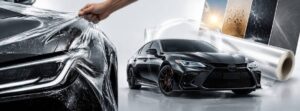
Trial-fit every panel before paint. Use OEM mounting points and correct fasteners rather than new holes. Insist on a flexible primer and flex additive on polyurethane parts. Let fresh paint outgas before applying paint protection film or a ceramic coating, then protect exposed carbon and painted lower edges properly through a professional detailing service. Wash lower panels by hand rather than firing a pressure washer directly into the seams. Recheck fastener torque and panel gaps after the first few weeks, and again after any ramp strike.
Finally, keep the paperwork straight. Significant visual modifications in the UAE need to comply with Dubai’s modification rules, and anything that changes the recorded appearance of the vehicle should be checked before renewal so the car passes RTA testing. A pre-fitting inspection is worth doing on any car that has already had bodywork by someone else.
Book Your Body Kit Service at Carzilla
Carzilla handles body kit and car modification work in Al Quoz for Lamborghini, Rolls-Royce, Porsche and other exotic and luxury vehicles, from trial fitting and panel alignment to paint matching, sensor refitting and finishing. You can review our full service range and brand specialisations, read more about our workshop, or contact us to discuss your car and the kit you are planning to fit.