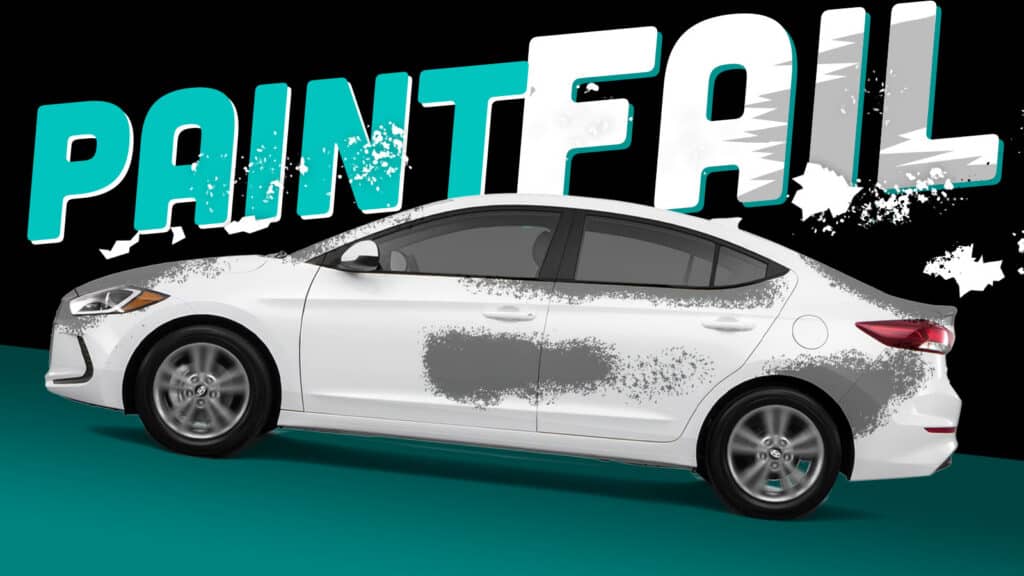
Car paint peeling is one of the most common bodywork complaints in the UAE, and one of the most misunderstood. Many owners assume the paint is “just old” and try a touch-up pen or a polish. Most of the time that makes the problem spread faster. Peeling is an adhesion failure. One layer of the paint system has let go of the layer beneath it, and until you know which layer failed and why, a proper car painting service in Dubai cannot fix it for good.
This guide explains how car paint is built, where peeling usually starts on a car, what causes each type of paint failure, how a professional paint peeling repair is done, and how to prevent it from happening again in Dubai’s climate.
How Car Paint Is Built
Modern factory paint is not one coat. It is a stack of four layers, each bonded to the next:
- E-coat (electrocoat) – a corrosion-protection layer applied by dipping the bare body shell in an electrically charged bath.
- Primer surfacer – smooths the surface and gives the colour coat something to grip.
- Basecoat – the actual colour, including metallic and pearl effects. It has very little UV or chemical resistance of its own.
- Clear coat – a hard, transparent layer, usually 35–50 microns thick, that provides gloss, scratch resistance and UV protection.
Total factory paint thickness on most cars is roughly 100–180 microns, about the thickness of two sheets of paper. When people say their car paint is peeling, they almost always mean one of three things. The clear coat is lifting off the basecoat, the colour is lifting off the primer, or the whole paint film is lifting off the metal or plastic underneath. Each of these has a different cause and a different repair.
Where Car Paint Peeling Usually Starts
The location of the peeling tells an experienced painter a great deal about the cause before any tools come out.
Roof, Bonnet and Boot Lid
Peeling that starts on horizontal surfaces is almost always clear coat failure caused by UV exposure. These panels face the sun directly for most of the day. In Dubai, the UV index stays at 10 or above for much of the year, and a dark roof can reach 70–80°C in summer. The clear coat contains UV absorbers and stabilisers (HALS) that are slowly used up over time. Once they are depleted, the clear coat turns cloudy, then chalky, then cracks and lifts off in sheets. Underneath, the basecoat is left unprotected and fades quickly.
This is why a car can look fine from the side while the roof is peeling badly. White, red and dark blue cars show it most, but no colour is immune. The same UV breakdown is what turns headlight lenses yellow, which we explain in our guide to luxury car headlight restoration in Dubai.
Front and Rear Bumpers
Bumpers are made of plastic (usually PP/TPO or polyurethane), not metal. Plastic flexes and expands with heat far more than steel, and it does not hold paint naturally. Factory bumpers are painted with an adhesion promoter and flexible paint. If a bumper has been resprayed without an adhesion promoter, without a flex additive, or without removing mould-release agents from a new part, the paint will peel off in large flakes, often starting at the edges or after a car wash. Peeling on a bumper and nowhere else usually points to a previous repair rather than factory paint. The same rule applies to aftermarket bumpers and lips fitted as part of car body kits, which need the correct plastic or composite primer before any colour goes on.
Panel Edges, Wheel Arches and Door Bottoms
Peeling that starts at edges, around stone chips or near wheel arches is often corrosion under the paint. A stone chip that goes through to bare metal lets moisture in. Rust forms under the surrounding paint, lifts it and pushes it off from underneath. Coastal areas like Jumeirah, the Marina and Palm Jumeirah, with high humidity and salt in the air, speed this process up. On aluminium-bodied luxury cars, the result is a white powdery corrosion instead of red rust, but the effect on the paint is the same.
Around Badges, Trim, Mirrors and Door Handles
Peeling that follows the shape of a badge, trim strip or mirror base is a classic sign of a poor previous respray. If the painter masked around parts instead of removing them, the new paint ends in a hard edge with no proper bond. Every wash, and every time the trim moves, pulls at that edge until the paint starts to lift.
Large Sheets Across a Whole Panel
When the paint comes off a full door or wing in big sheets, often with the old colour showing underneath, it is usually an intercoat adhesion failure from a previous respray. The new paint was never properly bonded to the old surface. This is very common on cars that have had cheap accident repair before being sold on.
Alloy Wheels and Brake Calipers
Wheels and calipers peel for the same reasons as body panels, only faster. Brake heat, brake dust and harsh wheel cleaners attack the clear coat, and kerb damage lets moisture under the paint on the rim edge. Peeling wheel paint is best stripped and refinished rather than touched up. Our guide on how to repair a wheel rim covers this in more detail.
What Causes Car Paint to Peel
Now that we have looked at location, here are the main causes of car paint peeling, explained in more detail.
UV Damage and Clear Coat Failure
This is the most common cause of car clear coat peeling in the UAE. Clear coat does not fail overnight. It first loses gloss, then develops a milky or hazy look, then small cracks appear, and finally the edges curl and lift. Once clear coat peeling has started, it cannot be reversed. Polishing a failing clear coat only removes more of the protective layer that is still holding on. Heat is a big part of this, and our article on how to take care of your luxury car in Dubai’s harsh climate explains how sun and temperature affect the whole car, not just the paint.
Poor Quality Previous Respray
A large share of peeling paint on used cars in Dubai comes from earlier bodywork. The common mistakes are:
- No proper surface preparation – the old paint was not sanded (keyed) enough for the new paint to grip.
- Contamination – silicone from polish, wax, tyre shine or fingerprints left on the surface before painting. Paint will not bond to silicone.
- Wrong primer for the surface – bare steel, aluminium, galvanised steel and plastic each need a different primer. Using one product for everything leads to failure.
- Missed recoat window – clear coat applied too late over the basecoat, after it has fully flashed off, sits on top rather than bonding to it.
- Rushed curing – paint that is not baked or given enough time to cure stays soft and weak. A same-day full respray is usually a warning sign.
- Cheap 1K or low-solid materials – these break down quickly under Gulf sun.
If a full repaint is on the table, our guide to the best car repaint service in Dubai explains what a correct repaint involves and how long it should take.
Stone Chips and Rust Under Paint
Any chip that reaches bare metal is an entry point. Left untreated through a humid summer, the corrosion creeps under the paint. The paint then bubbles, then flakes. By the time you see peeling, the corrosion under it is usually larger than the visible damage. Small chips and light scratches caught early can often be handled with mobile car scratch repair before they turn into a panel respray.
Harsh Chemicals and Car Wash Damage
Strong alkaline cleaners used in some automatic and roadside car washes, traffic film removers left to dry in the sun, and bird droppings left for days in 45°C heat all attack clear coat. Pressure washers held too close to a chip, panel edge or repair line can blast loose paint off and make a small problem much bigger. The difference between a quick wash and proper paint care is covered in car detailing vs car washing.
PPF, Vinyl Wrap and Tape Removal
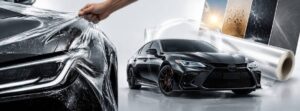
Removing paint protection film, a vinyl wrap or strong adhesive tape can pull paint off with it. This almost never happens on healthy factory paint. When it does happen, it is a clear sign that the paint underneath was a weak respray or that the clear coat had already started to fail. It is also why a paint depth check before applying film matters. Our comparison of PPF vs wrap in UAE conditions explains how each one behaves on the paint underneath.
Factory Paint Defects
Some models and paint colours from certain years have known adhesion problems from the factory, particularly where the primer did not bond correctly to the e-coat. These usually show up as large areas peeling down to grey primer on several panels at once, rather than one damaged area.
Peelable Paint and Temporary Coatings
Not every peeling car has a paint fault. Some cars have been finished with a peelable paint (liquid wrap) that is designed to come off. When this type of coating ages it can lift at the edges and look like factory paint peeling. A quick check by a painter will tell you which it is, and if it is a peelable coating, the answer is controlled removal, not a respray. You can read more about how this finish works on our peelable paint Dubai page, or see a real example in our Range Rover peelable paint service article.
Can You Stop Car Paint From Peeling?
Honestly, no. Once paint has started to peel, the bond has already failed at that layer, and it will keep spreading from the edges of the damaged area. There is no product that glues peeling clear coat or paint back down.
What does not work:
- Touch-up pens and spray cans on peeling areas. The new paint sits on an edge that is still lifting, and it peels off with the old paint.
- Polishing or compounding peeling clear coat. This thins the remaining clear coat and speeds up failure around the edge.
- Applying PPF or ceramic coating over peeling paint. Coatings do not bond to failing paint, and PPF will pull it off even further when removed.
- Clear coat spray over the damaged area without sanding back. The new clear bonds to nothing stable.
The only lasting fix is to remove the failed paint back to a sound layer and rebuild the paint system correctly.
How to Fix Peeling Car Paint Properly
A professional paint peeling repair follows a set process. The details change depending on the panel material and the paint finish, but the principles are the same. For a wider look at how body damage is assessed and repaired, see how common car damage is fixed at an expert auto body shop.
Step One: Find Out Which Layer Failed
A painter will check the damaged area and the surrounding paint with a paint thickness gauge. Unusually high readings (often above 200–250 microns) show that the panel has been painted before. A tape test around the edge of the peeling area shows how far the weak paint extends. This decides whether only the clear coat needs to come off, or the paint has to go back to primer or bare metal.
Step Two: Remove the Failed Paint
All loose and weak paint is sanded away until the edges no longer lift. For clear coat failure, this usually means sanding the whole panel, because peeling clear coat is almost always weak across the full panel, not just where it has visibly lifted. The edges of the sound paint are then feather-edged, sanded to a smooth taper, so the new paint does not leave a visible line.
Step Three: Treat Corrosion and Prime Correctly
Any rust is removed completely. Bare steel gets an epoxy or etch primer, aluminium gets a primer made for aluminium, and plastic bumpers get an adhesion promoter. A 2K primer surfacer is then applied, cured and block-sanded flat.
Step Four: Colour Match, Basecoat and Clear Coat
The colour is matched using the paint code and, on quality work, a spectrophotometer and a test spray-out card, because older paint in the UAE is often faded from its original shade. Basecoat is applied, followed by a high-solid 2K clear coat with good UV resistance. On metallic, pearl and three-stage paints, the colour is usually blended into the neighbouring panels so there is no visible difference in shade. Our luxury car denting and painting guide goes deeper into colour matching and blending on multi-stage paint.
Matte and satin finishes are different. They cannot be blended or polished, so a peeling matte panel normally needs the full panel refinished edge to edge.
Step Five: Bake, Cure and Finish
The panel is baked, typically at around 60°C in a paint booth, to cure the clear coat properly. After curing, the surface is lightly wet-sanded and polished to match the factory texture. New paint continues to release solvents for several weeks, so ceramic coating or PPF should wait until the paint has fully outgassed, usually 30 to 90 days.
On modern luxury cars, removing bumpers or mirrors for painting can affect parking sensors, radar and cameras. These must be refitted correctly and, where needed, recalibrated. This is standard practice at a proper auto body shop in Dubai and part of any full panel respray and bumper respray service.
Why Paint Peeling Matters More on Luxury Cars
On a high-end car, peeling paint is more than a cosmetic problem. Aluminium bodies on many Range Rover, Jaguar, Audi, Mercedes-Benz and Rolls-Royce models need separate tools and a clean work area, because steel dust from other repairs can cause galvanic corrosion under new paint. Many luxury brands also use multi-layer tri-coat, candy or special-order colours that need careful mixing and blending to match.
Each brand has its own paint and body structure details. We cover these in our guides to choosing a Mercedes-Benz body shop in Al Quoz, a Rolls-Royce body shop in Dubai and a Land Rover Defender body shop, as well as in our Lamborghini paint and repaint service article. Owners of Range Rover, Porsche, Bentley and Jaguar models will find brand-specific repair details on those pages.
Paint condition also has a direct effect on resale value. Buyers in the UAE used car market regularly check paint thickness, and a car with obvious resprays or peeling panels loses value quickly.
How to Prevent Car Paint Peeling in Dubai
Prevention is far cheaper than a respray. These habits make the biggest difference in the UAE climate:
- Park in the shade whenever you can. Covered parking or a quality breathable car cover reduces UV damage and heat stress on the clear coat more than any product.
- Wash the right way. Use a pH-neutral shampoo, rinse off sand before touching the paint, and avoid harsh roadside wash chemicals. Keep pressure washer nozzles well away from chips and panel edges. Our guide on choosing the best car detailing workshop in Dubai explains which wash and polishing methods protect the clear coat.
- Remove bird droppings, tree sap and insects quickly. In summer heat they can etch clear coat within a day or two.
- Fix stone chips early. A small chip treated before corrosion starts is a quick job. Left through a humid season, it can turn into peeling paint across the panel.
- Protect healthy paint. Ceramic coating adds a sacrificial UV and chemical barrier, and PPF protects the bonnet, bumper and mirrors from sand and stone chips. Both work only on sound paint. Our car detailing services include paint checks and correction before any coating is applied.
- Choose bodywork carefully. Most peeling on UAE cars comes from poor earlier repairs. Ask how the panel will be prepared, what primer is used, whether the car will be baked, and whether parts will be removed rather than masked. Our article on how to find the best car body work near you lists the right questions to ask.
- Check before you buy. On a used car, a pre-purchase car inspection with paint thickness readings shows hidden resprays that may peel later, and a VIN check in the UAE can reveal past accident history that explains them. Our Range Rover pre-purchase inspection checklist shows how bodywork and paint are checked on a real luxury SUV.
If you are planning a colour change, wrap or other cosmetic car modification in Dubai, read the car modification rules in Dubai first. A colour change must be updated on your vehicle registration before your next RTA vehicle inspection.
Car Paint Peeling Repair in Dubai at Carzilla
Carzilla’s workshop in Al Quoz handles paint peeling repair for luxury, exotic and everyday cars, using Glasurit and Sikkens 2K paint systems in a downdraft paint booth. The process starts with a paint thickness check to find which layer has failed and why, followed by proper sanding back, the correct primer for steel, aluminium or plastic, spectrophotometer colour matching and blending, and a 60°C oven bake. Where bumpers, mirrors or sensors are removed, they are refitted and recalibrated as required.
Whether you have clear coat peeling on the roof, flaking paint on a resprayed bumper, or rust lifting paint around the wheel arches, you can see our full range of car repair services in Dubai, browse the luxury brands we specialise in, or contact Carzilla to book a paint inspection.