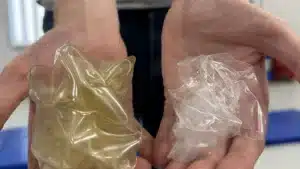
Paint protection film (PPF) is meant to be removable. A quality thermoplastic polyurethane (TPU) film on original factory paint should come off without damaging the paint, as long as it is removed with the right heat, peel angle and patience. Most of the paint damage people see after PPF removal does not come from the film itself. It comes from the paint underneath being weaker than the film’s adhesive, from cheap film that has broken down, or from rushed removal.
This guide explains how PPF sticks to paint, why paint or clear coat sometimes comes off with the film, how professional PPF removal is done, how damaged paint is repaired, and how to make sure the film comes off cleanly when the time comes. If you are still choosing a film, our guide to the best PPF in Dubai compares the main brands, their adhesives and their warranties.
Does PPF Damage Car Paint When It Is Removed?
On healthy, fully cured factory paint, genuine TPU film from a recognised brand does not damage paint when it is removed correctly. Paint protection film manufacturers design their adhesives to release from automotive clear coat after years on the car. The adhesive is strong enough to hold the film through heat, rain and high-speed driving, but weaker than the bond between the layers of factory paint.
Paint damage during PPF removal becomes likely in a few specific situations:
- The panel has been repainted and the new paint has weak adhesion
- The panel is a plastic bumper or trim part with poor paint adhesion
- The film was fitted before fresh paint had fully cured
- The film is old, cracked, or made from PVC or TPH instead of TPU
- The film is pulled off cold, fast or at a steep angle
- Too much heat is applied with a heat gun
- The paint under the film was already chipped, cracked or failing
Each of these is explained in detail below. Understanding them is the best way to know in advance whether a car is a low-risk or high-risk removal.
How PPF Sticks to Car Paint
To understand why paint sometimes lifts, it helps to look at the layers involved. A painted car panel is a stack of layers, and PPF adds three more on top.
On a metal panel, the factory paint system is built in this order:
- Steel or aluminium panel
- E-coat, a corrosion-protection layer applied by dipping the whole body
- Primer, which smooths the surface and helps the colour coat bond
- Base coat, the colour layer
- Clear coat, the hard, glossy protective layer, usually only around 40–50 µm thick
A plastic bumper replaces the metal and e-coat with a plastic part and an adhesion promoter or plastic primer, because paint does not stick to most bumper plastics on its own.
PPF then adds:
- Pressure-sensitive acrylic adhesive
- TPU film, usually around 150–200 µm thick
- Self-healing top coat
When film is peeled off, the pulling force travels down through every one of these layers. The stack separates at its weakest bond. On good factory paint, the weakest bond is the one between the PPF adhesive and the clear coat, so the film comes away and the paint stays where it is.
Factory paint is very strong because it is applied by robots on a clean production line and baked in ovens at roughly 130–140°C. That hard bake gives each layer a strong chemical bond to the one below it. Problems begin when any layer in the paint stack has a weaker bond than the PPF adhesive. Then the paint becomes the weakest link and comes off with the film.
Why PPF Removal Can Pull Off Paint or Clear Coat
Repainted Panels and Aftermarket Clear Coat
This is the most common reason paint comes off with PPF. A body shop refinish is applied by hand and usually cured at a much lower temperature than factory paint, typically around 60°C. A good refinish on a properly prepared surface still bonds well. But if the old surface was not sanded properly, if there was wax, silicone or dust contamination, if the painter rushed the flash time between coats, or if the wrong products were mixed, the bond between the new paint and the old paint can be weaker than the PPF adhesive.
When that film is pulled, the clear coat, or both the clear coat and base coat, can lift in patches. The film is not doing anything abnormal. It is exposing a paint bond that was already weak.
This is why many used cars in Dubai have problems when their PPF is removed. A car may have had a bumper or wing repainted after a minor accident before the film was fitted, and the owner may not know. A paint depth gauge reading before removal shows which panels have been refinished. If you are buying a car with PPF already fitted, a pre-purchase car inspection and a UAE VIN check will show whether the film is covering repaired panels.
Plastic Bumpers and Paint Adhesion
Front bumpers carry more PPF than any other part of the car, and they are also the panels most likely to lose paint during removal.
Most bumper covers are made from polypropylene-based plastics. Paint only sticks to them through an adhesion promoter, which chemically opens the surface of the bare plastic so the primer can grip. If a bumper has been repainted and the adhesion promoter was skipped, applied past its working window, or sprayed over existing primer instead of bare plastic, the paint bond is weak. Body shop paint suppliers warn that adhesion promoter misused over painted or primed surfaces can itself cause the paint to delaminate later.
Bumpers also flex. Every small knock, parking touch and pressure-washer jet works the paint on a flexible plastic part harder than on a steel bonnet. When film is peeled from a bumper with weak paint adhesion, sheets of paint can come off together with the film.
PPF Installed on Fresh Paint
New paint keeps releasing solvents for weeks after it looks dry. This is called outgassing, and on a refinished panel it usually continues for 30–90 days depending on the paint system and conditions.
If PPF is fitted before this process finishes, the film traps the solvents against the paint. The paint stays softer than it should, bubbles can appear under the film, and the adhesive can bond more strongly to the soft, uncured clear coat. When that film is later removed, the clear coat can tear or show adhesive marks pressed into its surface.
The safe rule is simple: after any car painting service or auto body shop repair, PPF should only go on once the paint supplier’s full cure time has passed.
Old PPF Adhesive in UAE Heat
PPF adhesive changes with age. Heat and UV exposure make the acrylic adhesive continue to cross-link, which means it slowly becomes harder and grips the clear coat more tightly. Every manufacturer tests adhesion after heat ageing, because this is where adhesives fail.
In the UAE, this ageing happens faster than in cooler countries. A dark bonnet in a Dubai summer can go above 70°C in direct sun, then cool down at night. Thousands of these heat cycles over the years harden the adhesive. Film that would have peeled cleanly after three years can take much more force to remove after eight, and the extra force raises the risk of pulling clear coat, especially on panels with any weakness in the paint.
This does not mean PPF must be removed early. It means film that has reached the end of its life, or has started yellowing, cracking or lifting, should be removed sooner rather than later.
Cheap PVC and TPH Film
Low-cost “PPF” made from PVC or TPH (a TPU and PVC hybrid) behaves very differently from genuine TPU. These films rely on plasticisers to stay flexible. In strong sun, the plasticisers migrate out of the film, and it turns hard, yellow and brittle, often within one or two summers in the UAE.
When brittle film is removed, it does not stretch off the car in one piece. It breaks into small fragments, sometimes only a few centimetres wide, and leaves most of its adhesive behind on the paint. Removing it can take many hours of steaming, picking and chemical work. The longer the job and the more force used, the greater the chance of scratching or lifting the paint. In the worst cases, the film and adhesive are so badly degraded that the panel has to be sanded and repainted.
Removing PPF Cold, Fast or at a Steep Angle
How the film is pulled matters as much as what it is made of.
- Cold film is stiff, and cold adhesive holds on hard. Pulling cold film puts a high load on the clear coat.
- Fast pulling increases peel force. Pressure-sensitive adhesives grip harder the faster they are peeled.
- A steep peel angle, pulling the film straight up at 90 degrees, concentrates all the force on a thin line of paint right at the peel front. That is where clear coat lifts.
Film manufacturers recommend pulling the film back across itself at a shallow angle, under 45 degrees, so that the film stretches and the adhesive shears off the paint gradually instead of being pried away.
Too Much Heat During PPF Removal
Heat softens the adhesive, but too much heat causes its own damage. A heat gun can produce several hundred degrees at the nozzle. Held too close or too long, it can:
- Blister or burn the clear coat
- Soften and distort plastic bumpers, grilles and trim
- Crack headlight lenses or mark textured plastic
- Make the film so soft that it tears into strips instead of peeling off
Overheating is also one of the main causes of paint damage on DIY removals in Dubai, because the panel may already be very hot from the sun before any heat is added.
Paint That Was Already Damaged Under the Film
PPF stops most stone chips, but not all of them. A sharp, heavy impact can crack the paint underneath without cutting through the film. Over years, small chips, edge damage and fractures in the clear coat can build up under the film, unseen.
When the film is removed, the paint around those cracks has no strength left to hold on, so fragments come away with the adhesive. The film did not cause the damage. It hid it and then revealed it. The same applies to clear coat that was already starting to fail from UV exposure before the film was fitted. For more on how and why paint layers separate, see our guide to why car paint peels and how to fix it.
Soft Clear Coats on Supercars
Not all factory clear coats have the same hardness. Many Italian and some British factory finishes use softer clear coats than most German manufacturers. Soft clear marks more easily, and it can also take on the texture of the adhesive more readily. Experienced installers sometimes choose a film with a lower-tack adhesive for these cars to reduce removal risk.
On cars such as Ferrari, Lamborghini, McLaren and Jaguar, PPF removal needs extra patience and lower heat. Our Lamborghini paint and repaint guide explains why soft supercar paint needs special care during correction and protection work.
Other Paint Problems Found After PPF Removal
Not every problem after PPF removal is paint lifting. These are the other marks owners commonly find, and what causes each one.
Adhesive Residue Left on the Paint
Some adhesive almost always stays on the paint, even with a perfect removal. Fresh, healthy film leaves very little. Old or overheated film can leave a thick, sticky layer across most of the panel.
Residue on its own is not damage. It is removed chemically, with an adhesive remover that is safe for automotive paint, and soft microfibre towels. Problems start when people try to scrape it off with metal blades, scrub it with abrasive pads, or use strong solvents such as thinners or acetone, which can soften or haze paint and damage plastic trim.
PPF Edge Lines and Ghost Lines
After removal, many cars show a faint line where the edge of the film used to be. There are three possible reasons:
- Dirt and wax build-up along the film edge. Sand, road grime and old wax collect in the small step at the film’s edge for years. This usually cleans and polishes out.
- Adhesive staining. Some adhesives can slightly stain the clear coat right at the edge. A light machine polish normally removes it.
- Uneven UV ageing. The paint under the film has been shielded from the sun, while the paint next to it has been exposed. In strong sun, the exposed paint can lose some gloss or colour depth. If only the clear coat has aged, polishing usually blends it. If the colour coat itself has faded, polishing cannot fix it, because the colour sits under the clear coat.
The longer a car has had partial film in strong sun, the more noticeable this difference can be. This is one reason many Dubai owners now protect the rest of the car with a coating as well. Our ceramic coating vs PPF guide explains how the two work together.
Knife Cut Marks From PPF Installation
Some installers cut PPF to shape on the car with a blade instead of using plotter-cut patterns. If the blade pressure is too high, it scores the clear coat under the film. The cut is invisible while the film is on. Once the film is removed, fine cut lines appear along the old film edges, around badges, lights and panel gaps.
A light cut that stays inside the clear coat can sometimes be levelled and polished out. A cut that has gone through the clear coat into the base coat or primer needs paint repair. This is why the cutting method matters at installation, not just the film brand.
Light Marring and Haze
Paint that comes out from under PPF is usually in excellent condition, but the removal process itself, along with adhesive remover and wiping, can leave light haze or fine marks. A one-step machine polish normally restores full gloss. It should be done carefully, because every polishing stage removes a small amount of clear coat, and clear coat is only around 40–50 µm thick to begin with.
How Safe PPF Removal Is Done
Professional PPF removal is slow, controlled work. The goal is to keep the adhesive warm and soft, keep the peel force low, and never let the paint become the weakest point. This is how an expert workshop approaches it.
Checking the Paint Before PPF Removal
Before any film comes off, the car is washed and the film and paint are inspected closely. A paint depth gauge is used on every panel, through the film where possible, and compared against the readings expected from factory paint. Readings that are much higher than normal, or very uneven across one panel, point to a repaint or filler underneath.
Panels are then grouped by risk:
- Low risk: original factory paint, film in good condition, no cracks or chips
- Medium risk: older film, some yellowing, or a soft factory clear coat
- High risk: repainted panels, repainted plastic bumpers, cracked or brittle film, visible paint chips or lifting under the film
On high-risk panels, the owner should be told before removal starts that paint may lift, so the decision on whether to remove, replace or repaint is made in advance.
Steam vs Heat Gun for PPF Removal
Heat is needed to soften the adhesive and make the film pliable, but the type of heat matters.
| Heat source | How it works | Paint risk | Best use |
|---|---|---|---|
| Steamer | Moist heat that cannot climb much above 100°C at the surface; keeps the film wet and flexible | Lowest | Large panels, old film, plastic bumpers |
| Heat gun | Very high, focused heat at the nozzle | High if held close or still | Small areas, edges, by experienced hands only |
| Hair dryer | Low, gentle heat | Low | Small DIY jobs on fresh film |
Film manufacturers recommend a steamer for PPF removal. Steam keeps the film flexible enough to stretch off the car, and its temperature is naturally limited, so it is far less likely to blister clear coat or warp plastic. The aim is warm film, not hot film. If the film starts tearing into strips, it is usually too hot. If it feels stiff and the adhesive stays on the paint, it is too cold.
In Dubai, removal should be done indoors or in shade. A panel heated by direct sun is already very hot and unevenly heated, which makes it much harder to control the adhesive and the film.
Correct Peel Angle and Speed
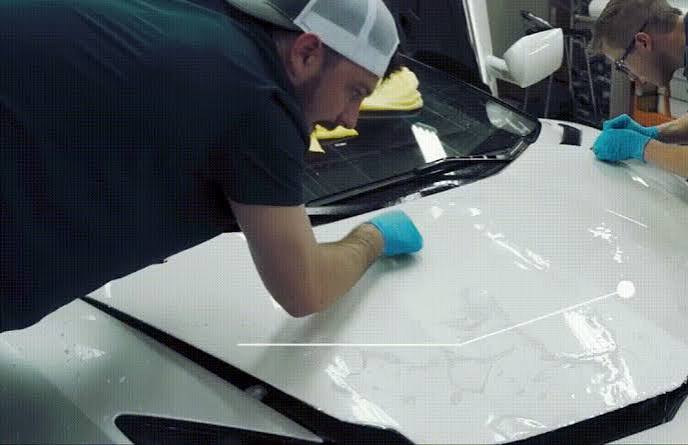
The film is lifted at one corner with a fingernail or a plastic tool, never a metal blade. It is then pulled back across itself, close to the panel, at a shallow angle under 45 degrees. Pulling at this angle makes the film stretch and shear off the adhesive bond gradually, and it helps the adhesive come away with the film instead of staying on the paint.
The pull should be slow and steady, with heat added just ahead of the peel line as it moves across the panel. If the film resists or the paint shows any sign of lifting at the peel line, the work stops, more heat is applied, and the angle and speed are reduced.
On plastic bumpers and repainted panels, technicians pay close attention to the peel line. The first sign of paint lifting is a slight change in gloss or a small flake right at the edge of the film. Stopping at that moment can save the panel.
Removing PPF Adhesive Residue Safely
Once the film is off, any remaining adhesive is dissolved, not scraped. A paint-safe adhesive remover, often citrus-based, is applied to a small area, given time to work, and wiped off with soft microfibre. Stubborn areas may need light heat and repeated applications.
Things that should not be used on the paint:
- Metal razor blades or scrapers
- Abrasive scouring pads
- Paint thinners, acetone or brake cleaner
- Aggressive eraser wheels used at high speed, which can generate enough heat to burn clear coat
After the adhesive is gone, the panel is washed again and wiped with a panel-prep cleaner to remove any remaining remover film.
Paint Inspection and Polishing After Removal
With the paint clean, it is inspected under strong workshop lighting for edge lines, cut marks, haze, chips and any lifted areas. A paint depth gauge reading after removal also confirms the clear coat thickness before any polishing is planned.
Most cars need only a light polish to restore full gloss. The paint can then be left as it is, coated, or prepared for new film. If new PPF is going on, the paint is fully decontaminated first so the new film bonds to clean clear coat.
Can You Remove PPF Yourself?
You can, in the right conditions. A small piece of good-quality TPU film, less than a few years old, on original factory paint, can usually be removed at home with gentle heat from a hair dryer or steamer, a slow pull at a shallow angle, and a paint-safe adhesive remover.
DIY PPF removal is not a good idea when:
- The film is cracked, yellow, brittle or breaking into pieces
- The car has repainted panels, or you do not know its paint history
- The film is on a plastic bumper that may have been repainted
- The car has matte or satin paint
- The film covers headlights, carbon fibre parts or textured trim
- The car has a soft supercar clear coat
- You only have access to a heat gun
In these cases, the cost of a professional removal is small compared with the cost of repainting a bonnet or bumper on a luxury car.
How to Fix Paint Damaged by PPF Removal
The right repair depends on what actually happened to the paint.
Adhesive residue or haze: Removed with a paint-safe adhesive remover, followed by washing and a light machine polish. No paint repair is needed.
Edge lines and ghost lines: Most are cleaned and polished out with a one-step or two-step machine polish. If the colour coat has faded next to the film line, the panel needs a blend or respray to match.
Knife cut lines: Shallow cuts that stay inside the clear coat can sometimes be wet-sanded and polished, but only if there is enough clear coat left. Cuts through to the base coat or primer need refinishing. Our guide to how car scratch repair works explains how scratch depth decides the repair method.
Clear coat lifted in patches: Lifted clear coat cannot be glued back down. The edges of the damaged area are sanded and feathered, and the panel is re-cleared. On most modern colours, the repair is blended into the surrounding paint so the colour and metallic flake match.
Base coat and clear coat lifted: The damaged area is sanded back to a sound layer, primed, painted and cleared. On a metal panel that was repainted before, the old refinish may need to be removed completely if its adhesion is poor across the whole panel. Otherwise, more paint will lift later.
Paint lifted from a plastic bumper: If the paint is lifting freely, the bumper is usually stripped or sanded back to bare plastic, treated with an adhesion promoter on the bare plastic only, then primed, painted and cleared with a flexible paint system. A patch repair on a bumper with poor adhesion often fails again.
Clear coat burned by a heat gun: Blistered or burned clear coat cannot be polished. The panel needs refinishing.
After any respray, the new paint must be left to cure fully before new PPF is fitted, which usually means waiting 30–90 days depending on the paint system. For a closer look at panel repair methods, see how common car damage is fixed at an expert auto body shop and how to choose the best car repaint service in Dubai.
Matte Paint, Carbon Fibre and Headlights: Special Cases
Removing PPF From Matte and Satin Paint
Matte and satin paint has a clear coat that is designed to scatter light. It cannot be machine polished, because polishing would turn it glossy and leave shiny patches. That changes the whole approach to removal.
On matte paint, adhesive residue must be removed chemically only. Edge lines and adhesive staining cannot be corrected by polishing, and any lifted or marked area usually means refinishing the panel. Matte paint should always be protected with a matte or satin film, and removal should always be done professionally. This applies to factory matte finishes on Mercedes-Benz, Lamborghini, Porsche and many other luxury models.
Removing PPF From Carbon Fibre Parts
Exposed carbon fibre parts such as mirror caps, splitters and diffusers are finished with a clear lacquer. Aftermarket carbon parts in particular can have a thin or poorly bonded lacquer, and it can lift during film removal. Low heat, a slow pull and close attention at the peel line are essential. If the lacquer lifts, the part needs re-lacquering. For more on carbon parts, see our carbon fibre kit and car body kits pages.
Removing PPF From Headlights
Headlight lenses are polycarbonate with a factory UV hard coat. Too much heat can distort or crack the lens, and strong solvents can attack the polycarbonate or its coating. Headlight film is removed with gentle heat and a lens-safe cleaner. If the lens has already yellowed around the film, restoration and new protection may be needed. Our guide to headlight restoration and paint protection in Dubai covers this in detail.
Colour PPF, Vinyl Wraps and Peelable Paint
Colour PPF is removed in the same way as clear PPF, but because it covers the whole panel, any ageing difference or residue across the panel is easier to see once it is off. Vinyl wraps use a different film and adhesive, and they age and come off differently. Peelable paint is a sprayed coating rather than a film, and it is removed by peeling as one skin when it is applied at the right thickness. Our car wrap or paint comparison and peelable paint pages explain these options. A change of body colour by film or paint also has registration implications, covered in our guide to the car modification rules in Dubai.
When Should PPF Be Removed or Replaced in the UAE?
PPF should be removed and replaced when the film itself has stopped doing its job or has started causing cosmetic problems. The signs are:
- Yellowing that runs through the film and does not clean off
- Cracking or crazing on the surface, often first on the bonnet and roof
- Edges lifting with sand or dirt trapped underneath
- Bubbles that appear long after installation
- Cloudiness or haze that does not wash or heal off
- Deep cuts or impact damage that have broken through the film
Genuine premium TPU films are typically warranted for around ten years, but the life of the film on a car parked outdoors in Dubai is often shorter than on a garaged car in a cooler climate. Cheap PVC and TPH films can fail within one or two summers.
The key point for paint safety is timing. Old film that is removed as soon as it starts to fail comes off far more easily than film left on for years after it has cracked. Waiting makes the adhesive harder, the film more brittle and the removal longer, and that is when paint damage becomes more likely.
Should You Remove PPF Before Selling Your Car?
If the film is in good condition, leaving it on is usually the better choice. Clear, well-fitted film shows that the paint has been protected, and the paint underneath is often in better condition than the rest of the car.
If the film is yellow, cracked or lifting, it can make the car look neglected and lead buyers to wonder what is underneath. In that case, removing it professionally, then polishing or fitting new film, generally presents the car better.
In the UAE used car market, many buyers inspect paint with a paint depth gauge. Whether the film stays or comes off, keep the original PPF invoice and warranty details, as they show what was fitted, when, and by whom.
How to Prevent Paint Damage When PPF Is Removed Later
Most PPF removal problems are decided years earlier, at the time the film is fitted. These steps make a clean removal far more likely.
At Installation
- Choose genuine aliphatic TPU film from a recognised brand, with a published technical data sheet and a manufacturer warranty registered to your car. Our 3M PPF in Dubai and best PPF in Dubai guides explain what to check.
- Check the paint first. A paint depth gauge reading shows any repainted panels before film goes on. Weak or failing paint should be repaired before it is covered.
- Never fit PPF on fresh paint. Wait for the full cure time after any respray.
- Ask for plotter-cut patterns or careful knifeless techniques, so no blade touches the paint.
- Correct the paint before film goes on using light, careful polishing that does not remove more clear coat than needed.
- Use a film suited to the paint. Soft clear coats and matte finishes need the right film type and adhesive.
During Ownership
- Wash the film correctly. Rinse sand off first, use a pH-neutral shampoo and avoid brush car washes. Our article on car detailing vs car washing explains why.
- Keep pressure washers away from the edges. A jet aimed at a film edge can lift it and drive grit and water underneath.
- Park in shade where possible to slow down adhesive ageing and UV damage.
- Have the film checked during routine servicing so lifting edges and early yellowing are dealt with early. Our guide to luxury car maintenance schedules in the UAE covers inspection intervals.
- Replace failing film promptly instead of leaving it on for years.
At Removal Time
- Have the paint checked first so the risk on each panel is known in advance.
- Use steam or gentle heat, never an overheated heat gun.
- Pull slowly at a shallow angle and stop at the first sign of paint lifting.
- Dissolve the adhesive instead of scraping it.
- Inspect and polish the paint before deciding on new protection.
Safe PPF Removal and Paint Repair at Carzilla
At Carzilla, PPF removal, paint correction, body repair and new film installation are handled by the same team at our Al Quoz workshop, so a problem found during removal can be repaired properly without the car moving between different shops. Every car is checked with a paint depth gauge before the film comes off, film is removed with controlled steam and low peel angles, and adhesive is removed with paint-safe products. If any panel needs repair, our car painting and auto body shop teams handle the refinish and allow the paint to cure fully before new film is fitted.
We work on all luxury and exotic brands, including Rolls-Royce, Bentley, Range Rover, Mercedes G-Class, Ferrari, Lamborghini, McLaren and Porsche. Every job includes Warranty on Repair, and we offer Free Pickup and Delivery* across Dubai. New PPF front kits start from AED 4,999, with full packages listed on our car detailing services page. You can also read how to choose the best luxury car detailing in Dubai, or spread the cost with our pay-later option through Tabby.
Contact Carzilla to book a paint inspection before your PPF is removed or replaced.
*Terms and conditions apply.